
Plants
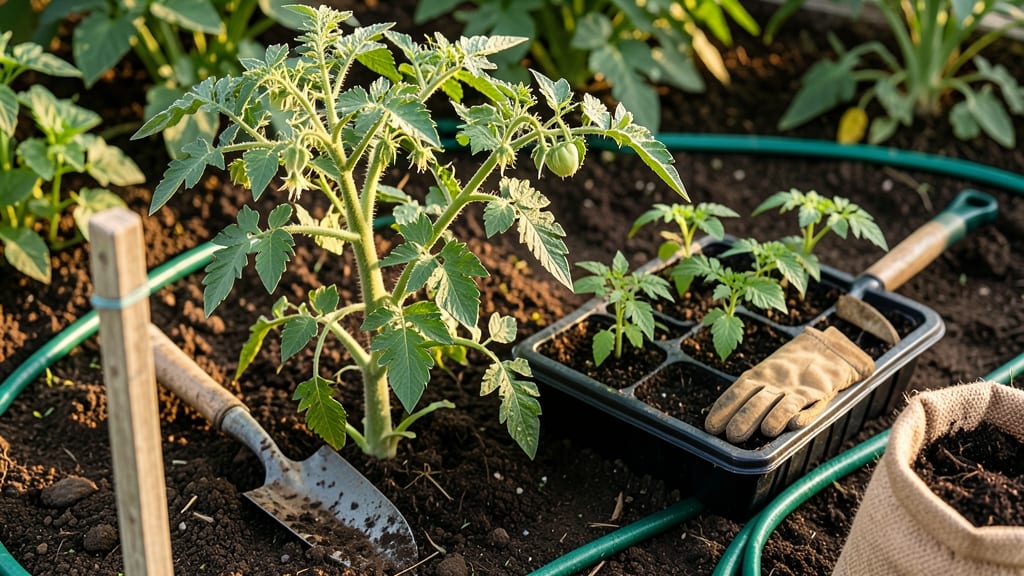
Planting tomato plants in Pennsylvania after the last frost — typically mid-April — is the key to a bountiful harvest 🍅.
But here’s the catch: Pennsylvania’s unpredictable spring weather can turn tomato planting into a gamble unless you know the exact USDA zone deadlines. One week too early, and a late frost will blacken your seedlings. Too late, and you’ll miss the ideal 75-day growing window before fall’s first frost.
Whether you’re in the cooler 6a zones of the Poconos or the milder 7a areas near Pittsburgh, timing matters. I’ll walk you through the zone-specific deadlines, soil temperature checks, and microclimate hacks to give your tomatoes the best start.
By the end, you’ll know not just when to plant, but how to adjust for containers, high-altitude gardens, and those sneaky late-spring cold snaps that love to fool us.
Pennsylvania tomato planting deadlines by USDA Zone (2024 guide)
Pennsylvania’s tomato planting success hinges on knowing your USDA zone and last frost dates. With zones 4-7 across the state, timing varies dramatically—from late April in the south to late May in the north. Soil temperature (minimum 60°F) is just as critical as air temperature, so don’t rush planting!
Historical data shows late-spring cold snaps can still hit even after the "official" last frost date.
I’ve gardened in PA’s Zone 6a for years, and let me tell you—planting too early (before May 15) risks frost damage to young tomato plants. Meanwhile, waiting too long (after June 1) shortens your harvest window.
The key is balancing frost risk with soil warmth and your specific microclimate. Below, I’ve broken down the exact deadlines for each zone, plus soil prep tips to give your tomatoes the best start.
⚠️ PRO TIP: Use a soil thermometer—tomatoes won’t thrive until the soil hits 60°F at 4 inches deep. In cooler zones, black plastic mulch can warm soil by 5-10°F faster than bare ground.
In Zone 4, where I’ve gardened in the Poconos, I start tomato seedlings indoors in early March under grow lights. By late May, when soil finally warms, my plants are already 12 inches tall and ready to transplant.
For Zone 7 gardeners near the Ohio border, you can push planting to mid-April—but always verify with your local agricultural extension office for recent frost trends.
Don’t rely solely on dates! Check the National Weather Service or Almanac’s Frost Calculator for your specific county.
For example, Pittsburgh (Zone 6b) averages its last frost on April 20, but in 2023, a late-May frost hit—causing nearby gardeners to lose their early plantings. Row covers or cold frames can buy you 2-3 extra weeks of safety in cooler zones.
For container gardening, add 1-2 weeks to these deadlines since pots cool faster. I’ve seen tomato plants in 5-gallon buckets struggle in Zone 5 if planted before May 15, even with black mulch.
If you’re in doubt, opt for heat-tolerant varieties like ‘Heatmaster’ or ‘Solar Fire’, which handle PA’s unpredictability better than standard types.
After transplanting, monitor for early blight (common in PA’s humid summers). Space plants 18–24 inches apart for airflow, and water at the base (not overhead) to prevent fungal issues.
In my Zone 6 garden, I’ve found that drip irrigation paired with mulch keeps tomatoes thriving until the first frost—often pushing harvests into late October.
Remember: PA’s growing season averages 165 frost-free days, but urban areas (like Philadelphia) can have heat islands that extend seasons by 10–14 days. If you’re in a city, lean toward earlier planting—just be ready to protect seedlings if a cold front rolls in. 🌱
How to adjust planting timing for Pennsylvania’s microclimates
Pennsylvania’s diverse geography means your tomato planting schedule should vary dramatically depending on whether you’re in the Poconos Mountains or the Pittsburgh river valley. Microclimates can create 2-4 week differences in safe planting windows—so don’t rely on a one-size-fits-all approach.
Urban gardeners in Philadelphia might see frost-free soil by mid-April, while high-altitude areas like Jim Thorpe could wait until late May. Understanding these variations lets you extend your growing season and avoid late-spring frost damage.
For urban gardeners with limited space, container planting offers flexibility to move plants to warmer microclimates like south-facing patios or rooftops. Meanwhile, river valleys benefit from heat retention near water bodies, allowing earlier planting by 2-3 weeks compared to inland areas.
The key is observing your specific local frost patterns over 3-5 years to refine your timing. Even a 5-degree temperature difference can mean the difference between thriving tomatoes and blackened stems.
🌱 Microclimate-Specific Tomato Planting Adjustments
- 1. Urban Areas (Philly, Pittsburgh): Plant April 20-May 5 after soil hits 60°F. Use black plastic mulch to warm soil faster in city heat islands.
- 2. River Valleys (Allegheny, Susquehanna): Start April 10-25—warmer microclimates near water allow earlier planting. Monitor nighttime temps for frost risk.
- 3. High-Altitude (Poconos, Laurel Highlands): Wait until May 15-June 1—cooler temps delay soil warming. Use row covers for 2-3 weeks post-planting.
- 4. Cold Spots (Valleys, North PA): Delay until May 10-20 and plant heat-loving varieties like 'Celebrity' or 'Better Boy' for resilience.
- 5. Containers (All Regions): Plant 2-3 weeks later than in-ground—pots cool faster. Use 5-gallon minimum containers for stability.
If you’re in a high-altitude area like the Poconos, consider starting seeds indoors 6-8 weeks before your target outdoor date. This gives you a 2-week head start on the growing season.
For river valleys, take advantage of earlier soil warming by planting cool-season varieties like 'Stupice' or 'Mountain Merit'—they tolerate 50°F soil temps better than standard tomatoes.
For urban gardeners, maximize space by planting determinate varieties (bush tomatoes) in containers near south-facing walls. These spots can be 5-10°F warmer than open areas, creating a microclimate oasis.
Always check soil temperature with a probe—60°F is the minimum for safe transplanting, even if air temps feel warm. A soil thermometer is your best friend in Pennsylvania’s unpredictable springs.
Don’t forget about late-spring cold snaps, which can hit anytime before June 10 in most of PA. Keep row covers or frost cloth on hand to protect young plants.
In river valleys, these snaps are less likely after May 15, but high-altitude areas should wait until June 1 for full protection. For container gardeners, move pots to sheltered spots or indoors overnight during frost warnings.
By tailoring your planting schedule to your specific microclimate, you can extend your tomato harvest by 3-4 weeks compared to following generic guidelines. Track your local frost dates for 3 years, and adjust your timing accordingly.
With these strategies, even late May plantings can yield ripening tomatoes by August—proving that Pennsylvania’s climate isn’t a limitation, but an opportunity to get creative with your garden! 🌱