
Plants
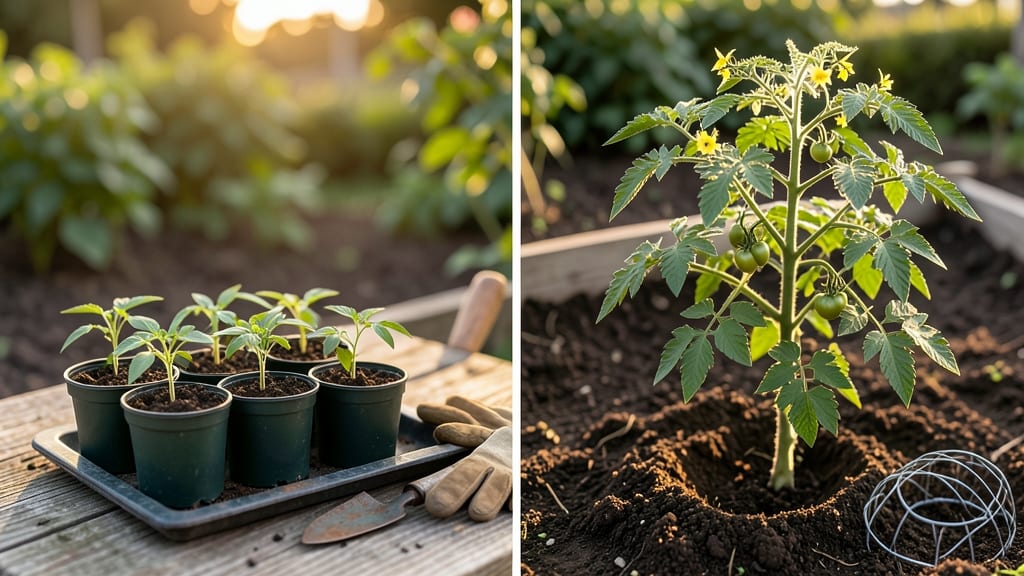
To plant tomato plants in Connecticut, aim for late April to mid-May once soil temperatures hit 60°F and the last frost has passed—skipping this window risks stunted growth or lost harvests.
Connecticut gardeners know timing is everything when planting tomatoes—but getting it wrong means stunted plants or lost harvests. Whether you're starting seeds indoors or transplanting seedlings, the last frost date (usually mid-May) is your guide.
For early varieties, begin seeds indoors in March to transplant outdoors by late April. Heat-sensitive heirlooms need extra care, while heat-tolerant hybrids can handle a later start. Soil temperature and microclimates in CT’s 5b-6b zones play a big role.
Here’s how to adjust planting for your tomato type, avoid common mistakes, and extend the season with row covers—so you can enjoy a June-to-October harvest of juicy 🍅.
Connecticut last frost dates and ideal planting windows by tomato type
Connecticut's last spring frost dates typically range from mid-April in southern regions to late May in northern areas, thanks to our USDA Zones 5b-6b. These dates determine when you can safely transplant tomato seedlings outdoors, but the exact timing depends on your tomato variety.
Early-season varieties need to go in the ground first, while late-season types can wait until after the last frost danger has passed completely.
For most of Connecticut, the average last frost date falls around May 15, but microclimates near bodies of water or in urban heat islands can shift this by 1-2 weeks.
This means gardeners in New Haven or Hartford might plant earlier than those in Litchfield or Torrington. Understanding these variations helps you avoid frost damage while maximizing your harvest season.
Here’s how to align your planting schedule with Connecticut’s frost dates and tomato maturity timelines. The key is balancing seedling readiness with soil warmth—tomatoes thrive when soil temperatures reach at least 60°F.
If you’re starting seeds indoors, begin 6-8 weeks before your last frost date to ensure healthy transplants ready for the garden.
Now, let’s break down the ideal planting windows for different tomato types in Connecticut, from heirloom to cherry varieties, so you can plan your garden with confidence.
If you’re planting heirloom tomatoes, which often have longer maturity dates, aim to transplant them by May 10 to ensure they ripen before Connecticut’s first frost in mid-October.
For cherry tomatoes, which mature faster, you can start seeds slightly earlier (as early as March 20) to take advantage of their quick harvest window.
For gardeners in northern Connecticut (Zone 5b), where frosts linger longer, consider using row covers or cold frames to extend your planting window by 2-3 weeks. This lets you transplant seedlings outdoors as early as May 1 without risking frost damage.
In southern CT (Zone 6b), you might even squeeze in a second planting of fast-maturing cherry tomatoes in early June for a late-summer harvest.
Pro tip: Use a soil thermometer to confirm your garden beds have reached 60°F before transplanting. Cold soil can stunt root growth, leading to weaker plants. If your soil is still chilly, opt for black plastic mulch to warm it up faster—this can shave 1-2 weeks off your planting timeline.
Don’t forget that microclimates play a huge role in Connecticut. A spot near a south-facing wall or pond might warm up faster, allowing you to plant 1-2 weeks earlier than the average frost date. Pay attention to how your garden performs year after year, and adjust your planting schedule accordingly
How to adjust planting timing for early vs. late varieties in CT
Connecticut’s short growing season demands precision when planting tomatoes. Early varieties need a head start, while late varieties can stretch into fall—but only if you time it right. The key lies in balancing seed-starting indoors, soil temperature, and transplanting strategies tailored to your tomato’s heat tolerance.
Let’s break down how to maximize your harvest by variety type.
For early varieties like 'Stupice' or 'Early Girl', you’ll want to start seeds indoors 6-8 weeks before your last frost date (typically mid-May in CT). These varieties mature quickly—60-70 days—so they need an early jump.
Meanwhile, late varieties such as 'Brandywine' or 'Cherokee Purple' can handle cooler soils and benefit from direct sowing 4-6 weeks after last frost, even if they take 85-90 days to ripen.
Heat-sensitive varieties like heirlooms need extra care. If you’re planting 'Brandywine' or 'Black Krim' in June, use shade cloth (30-50%) during peak afternoon sun to prevent sunscald. These tomatoes also benefit from drip irrigation to keep foliage dry and reduce disease risk.
For cherry tomatoes, which are more heat-tolerant, you can afford to plant later—even in early July—as long as you provide consistent water.
Don’t overlook microclimates in CT. South-facing slopes warm up faster, allowing you to plant 2-3 weeks earlier than cooler low-lying areas. Test your soil temperature with a soil thermometer before transplanting—60°F is the magic number for tomato roots to thrive.
If your soil is still cold, warm it with black plastic mulch laid down 1-2 weeks before planting.
For a second harvest in fall, try 'Celebrity' or 'Better Boy' varieties planted in late July. Use a low tunnel or row cover to trap heat and protect from early frosts.
Remove covers during the day to prevent overheating, and monitor for pests like hornworms, which thrive in protected environments. With the right timing, you can enjoy tomatoes well into October—just don’t wait until September 1st to start!
Pro tip: Keep a planting journal to track your CT-specific results. Note which varieties ripened fastest, which struggled with heat or cold, and adjust your schedule yearly. Next year, you’ll be a tomato timing pro! 🌱