
Pests and Diseases
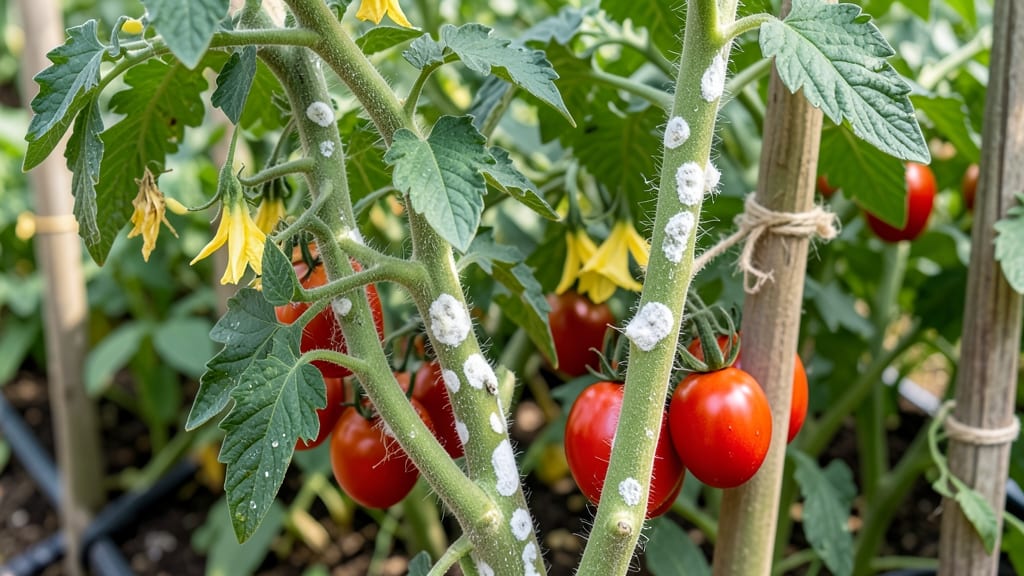
White patches creeping up your tomato stems? That's powdery mildew telling you it's time for action. ✨ I've battled this fungal foe more times than I'd like to admit, and I've learned the 3 simple steps that actually work—no expensive sprays required.
The problem starts with poor airflow or wet foliage, giving powdery mildew the perfect chance to spread like a white blanket. Most gardeners wait too long to act, but the sooner you intervene, the easier it is to save your plants.
My first mistake? Ignoring the early signs until half the plant was covered. With the right approach, you'll see fresh green growth within 7-10 days of starting treatment. The key is combining prevention, quick action, and organic solutions that won't harm your plants or the environment.
This works for greenhouse tomatoes, container plants, or backyard beds—no matter how severe the infection looks at first. Let's get those stems back to healthy green.
Root Causes Of Stem Discoloration
White patches creeping up your tomato stems aren’t just an eyesore—they’re a cry for help from your plants. Understanding the why behind these fuzzy or chalky deposits is the first step to saving your harvest.
Below, we break down the most common culprits, their science-backed triggers, and how they hijack your tomatoes’ health.
By far the most notorious culprit, powdery mildew (Erysiphe cichoracearum or Oidium neolycopersici) thrives in warm, humid conditions (60–80°F) and low air circulation.
This fungal pathogen doesn’t just spot your stems—it smothers them with a mycelial net, a web of thread-like hyphae that suck nutrients and block sunlight.
- How it spreads:
- 🌱 Spores hitchhike on wind, tools, or even your shoes from infected plants (even weeds!).
- 💧 Humidity >70% for prolonged periods creates the perfect fungal spa.
- 🌿 Overcrowded plants trap moisture, giving spores a cozy home.
- Why it targets stems:
Stems are highway lanes for water and nutrients. Powdery mildew colonizes here first because the fungal hyphae can penetrate the waxy cuticle more easily than thick leaves. Once established, it releases oxalic acid, weakening cell walls and causing white, powdery lesions.
- Red flag: If patches spread to leaves (yellowing) or fruit (blotchy ripening), your plant is in stage 3 distress—act fast or risk yield loss.
Not all white patches are powdery mildew. Other fungi can mimic the symptoms but demand different fixes:
| Fungal Culprit | How It Differs | Trigger Conditions |
|---|---|---|
| Downy Mildew (Phytophthora infestans) | White fuzzy growth only on undersides of leaves/stems; causes yellowing "oil spots." | Cool (50–70°F), wet foliage (dew, overhead watering). |
| Alternaria Leaf Spot (Alternaria solani) | Dark concentric rings with white centers; stems may show grayish mold. | Warm (75–85°F), high humidity + poor airflow. |
| White Rust (Albugo lycopersici) | White, blister-like pustules that burst; stems may crack. | Cool (60–75°F), waterlogged soil. |
Pro Tip: 🔍 Use a hand lens to check for spore structures—powdery mildew has round, chain-like conidia, while downy mildew shows spaghetti-like sporangia.
Not all white patches are fungal. Sometimes, your tomatoes are signaling environmental abuse:
- 💦 Mineral Deposits (Hard Water)
If your water has high calcium/magnesium (hard water), evaporation leaves behind white crusty residue on stems—especially in pots or greenhouses. Unlike fungi, these deposits are dry, chalky, and don’t spread.
- ☀️ Sunscald
Intense afternoon sun can bleach stem tissue, creating pale, papery patches. Common in greenhouse tomatoes or sudden heatwaves.
- 🍂 Chemical Burn
Overuse of lime, bleach, or synthetic fertilizers (like urea) can cause white, necrotic patches. Test soil pH—ideal for tomatoes is 6.2–6.8.
Quick Test: 🧪 Rub a patch with your finger. Fungal growth feels powdery; mineral deposits scrub off.
Now that you’ve identified the villain, the next step is actionable fixes—but first, isolate infected plants to stop the spread! 🚫🌱
Quick Fixes for Tomato Stem Spots
White patches creeping up your tomato stems? Don’t panic—these fixes will restore your plants to their healthy, thriving selves in no time. Below, we’ve mapped out practical solutions tailored to the most common causes, from fungal infections to environmental stress.
Follow the steps, and your tomatoes will be back on track for a bountiful harvest!
If the white patches look fuzzy, powdery, or spread like a blanket, a fungus is likely the culprit. Act fast to stop its spread!
🔥 Step 1: Prune and Remove Infected Growth
- 👨🍳 Trim away any stems, leaves, or fruits showing white patches with sterilized pruners (wipe with rubbing alcohol between cuts).
- 🗑️ Dispose of infected plant material in the trash (not compost)—fungi can hibernate and reinfect.
- 🌬️ Improve airflow by spacing plants 18–24 inches apart or staking them to reduce humidity in the canopy.
🍳 Step 2: Apply Fungicidal Treatments
Choose one of these options for immediate relief:
- 💡 Homemade Spray:
- Mix 1 tbsp baking soda + 1 tsp dish soap + 1 gallon water in a spray bottle.
- Add 1 tbsp horticultural oil (optional) for extra potency.
- Spray both sides of leaves and stems every 7–10 days until symptoms disappear.
- 🌿 Store-Bought Fungicides:
- Neem oil (natural, safe for organic gardens).
- Copper fungicide (effective for leaf spot).
- Sulfur-based sprays (great for powdery mildew—follow label instructions!).
⏰ Step 3: Prevent Recurrence
- 🌡️ Water at the base (avoid overhead watering, which spreads spores).
- ☀️ Increase sunlight—fungi thrive in shady, damp conditions.
- 🎯 Rotate crops—don’t plant tomatoes (or nightshades like peppers/eggplants) in the same spot next year.
If the white patches are crusty, chalky, or appear after heavy watering, your plants might be suffering from mineral stress or sun damage.
🔪 Step 1: Flush the Soil
- 💦 Water deeply for 10–15 minutes to leach out excess salts or minerals.
- 🌧️ Use rainwater or distilled water if your tap water is hard (high in minerals).
- 🍂 Add organic matter—mix in compost or aged manure to improve soil structure and reduce salt buildup.
🥘 Step 2: Protect from Harsh Conditions
- 🌞 Shield young plants from intense midday sun with shade cloth (30–50% coverage).
- 🌿 Mulch heavily (2–3 inches of straw or wood chips) to keep roots cool and moisture levels stable.
- ✨ Avoid fertilizing until the plant recovers—too much salt from fertilizers can worsen the issue.
💡 Pro Tip:
If your soil is extremely salty (common in container gardens or urban areas), consider repotting with fresh, high-quality potting mix.
Tiny white specks that move? You’re likely dealing with pests leaving behind residue or eggs.
🍳 Step 1: Inspect and Isolate
- 🔍 Check undersides of leaves for webs (spider mites), cottony tufts (mealybugs), or sticky residue (aphids).
- 🚫 Quarantine affected plants to prevent spreading to healthy ones.
👨🍳 Step 2: Blast Them Away
- 💦 Spray with water (forceful stream) to knock off pests—do this early morning for best results.
- 🌿 Apply insecticidal soap (mix 1 tbsp per quart of water) or neem oil spray (follow label rates).
- 🐝 Introduce beneficial insects—ladybugs or lacewings eat aphids and mites naturally!
🎯 Prevention Tips:
- 🌿 Encourage biodiversity—plant marigolds, basil, or dill nearby to repel pests.
- 🌡️ Keep plants hydrated—stressed plants attract more pests.
- 🧼 Clean garden tools with rubbing alcohol to avoid spreading pests.
If your tomato plants are heavily infected and recovery seems slow:
- 🌱 Propagate healthy cuttings from unaffected stems to grow new plants.
- 🍅 Harvest remaining healthy tomatoes before the disease spreads further.
- 🔄 Replace contaminated soil if growing in containers—sterilize with a 10% bleach solution (rinse well afterward).
Remember: Consistency is key! Monitor your plants daily, and don’t skip follow-up treatments. With these steps, your tomato stems will be spot-free and strong in no time—ready to produce juicy, disease-resistant fruits! 🍅💪
Frequently asked questions
Why do my tomato stems develop white patches even when I water them at the base?
Even with proper watering, white patches often appear due to high humidity (above 70%) or poor airflow around the plants. Fungal spores thrive in these conditions, especially if your garden is shaded or plants are crowded. Check for 18-24 inch spacing between plants and consider using fans to improve circulation.
Can I still eat tomatoes from plants with white patches on the stems?
It depends on the severity. If the patches are powdery mildew and haven't spread to the fruit, the tomatoes are usually safe to eat. However, if the white growth appears on the fruit itself or if you've used chemical treatments, harvest only the healthy-looking tomatoes. Always wash produce thoroughly before eating.
How often should I apply my homemade baking soda spray for white patches?
Apply the baking soda spray (1 tbsp baking soda + 1 tsp dish soap + 1 gallon water) every 7-10 days until the white patches disappear. For best results, spray early in the morning when humidity is lower, and always cover both sides of leaves and stems. Stop treatment once the plant shows new growth.
Will neem oil kill my tomato plants if I use too much?
Neem oil is safe when used correctly, but never apply it when temperatures exceed 90°F or if plants are stressed. Follow package instructions—typically 1-2 tbsp per gallon of water. For extra safety, do a patch test on one leaf first. Overuse won't kill plants but may cause leaf burn if applied too frequently.
Can I save a tomato plant with severe white patch infection?
For heavily infected plants, prune all affected stems and leaves, then treat with fungicide. If the plant is less than 50% infected, it may recover with consistent care. For advanced cases, consider propagating healthy cuttings from unaffected parts or replacing the plant entirely to prevent spread to other tomatoes.