
Companion Plants
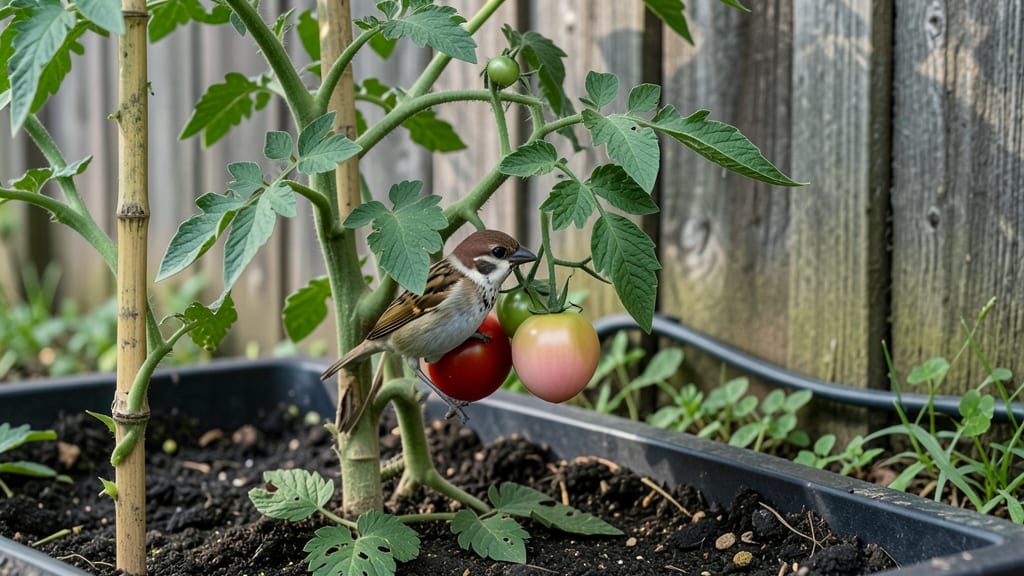
Yes, birds will eat tomato plants, especially ripe fruit, young seedlings, and tender leaves, as they seek food for themselves or their chicks. Protect them with netting, reflective tape, or natural repellents like chili spray or predator decoys.
Birds see tomato plants as a buffet—ripe fruit is packed with protein, while young shoots are easy to peck. 🌱 During nesting season (spring to early summer), parent birds aggressively forage for food to feed their chicks, making your garden a prime target.
Common culprits include sparrows, starlings, and grackles, which often work in flocks to strip plants bare in minutes. The damage isn't just cosmetic; it can stunt plant growth and reduce yield significantly if left unchecked.
Physical barriers like fine mesh netting (with holes smaller than 1/2 inch) create an instant shield, while reflective tape or old CDs hung from strings create visual chaos that confuses birds.
For a chemical-free approach, I recommend a homemade chili spray—mix 1 tablespoon cayenne pepper with 1 quart water, let it steep overnight, then spray on leaves. The capsaicin irritates birds' beaks and eyes, deterring them without harm. Always test sprays on a small area first to avoid damaging plants.
💡 In This Article
- Why Birds Target Tomato Plants in Gardens
- Effective Natural Deterrents for Bird-Proofing Tomatoes
Why birds target tomato plants in gardens
Birds attack tomato plants primarily because the fruit and foliage offer an easy, nutrient-rich meal. Ripe tomatoes contain 1-2% protein by weight, which is a significant boost for birds during breeding season when they need extra energy to feed their chicks.
The soft, watery flesh is also simple to swallow whole—perfect for species like sparrows or grackles that forage quickly. 🌿 Young tomato seedlings, with their tender stems and leaves, provide another appealing target because they require minimal effort to consume compared to tougher mature plants.
The timing of bird attacks aligns with their natural life cycles. During spring and early summer (peak nesting season), parent birds will strip entire tomato plants bare in under 15 minutes if left unprotected.
Studies show that flocks of house sparrows can reduce tomato yields by up to 40% when given unrestricted access. The birds' pecking also creates entry points for pests and diseases, further compromising plant health.
Unlike mammals that might browse selectively, birds often work in coordinated groups, making their damage particularly devastating.
Species-specific behaviors play a crucial role in how birds interact with tomato plants. For example, European starlings have been observed using their sharp beaks to pierce tomato skins and drain the juices without eating the entire fruit—a behavior that still stresses the plant.
Meanwhile, grackles often perch on vines and pluck leaves systematically, leaving behind a skeletonized appearance. The visual and textural cues of tomato plants—bright red fruit against green foliage—also make them irresistible to birds with color-sensitive vision, which can detect ripening stages from a distance.
Another critical factor is the lack of natural predators in most garden settings. Without owls, hawks, or other avian predators present, birds feel safe targeting tomato plants without fear of retaliation.
This creates a feedback loop where the more successful birds are at foraging, the more they return to the same location. The combination of high nutritional value, easy accessibility, and perceived safety makes tomato plants a prime target for avian garden raiders.
What most gardeners don't realize is that birds aren't just eating the fruit—they're also consuming the seeds and stems, which can spread diseases between plants. The physical damage from pecking disrupts the plant's vascular system, leading to wilting and reduced fruit set.
In extreme cases, repeated attacks can kill young seedlings entirely, leaving gardeners with nothing but a barren plot. This is why understanding the multi-faceted appeal of tomato plants to birds is the first step in developing effective protection strategies.
Interestingly, bird behavior varies by tomato variety. Cherry tomatoes, with their small size and sweet flavor, are particularly vulnerable because they're easy for birds to carry away. Larger varieties like beefsteaks offer more resistance due to their size, but their thick skins don't deter determined flocks.
The key insight here is that no tomato plant is completely safe from bird predation—only properly protected ones are.