
Planting
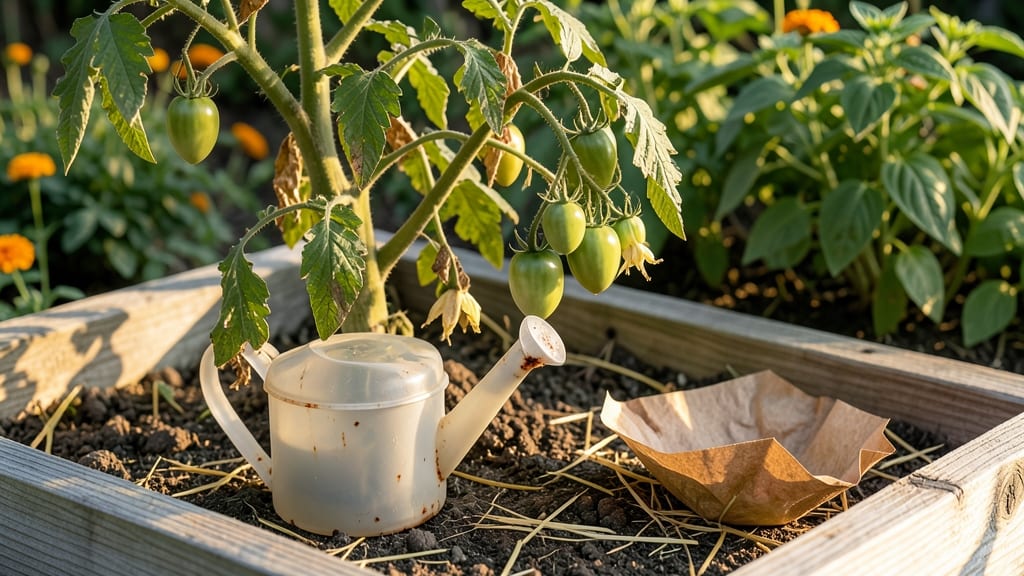
Your wilty tomato plant isn’t a lost cause—this 5-minute trick saved mine from the compost pile last summer. 🌱 The droop isn’t always about water; sometimes it’s heat stress, disease, or even a rootbound pot.
I’ll show you how to diagnose the real problem and revive your plant before it’s too late. Start by checking the soil: if it’s bone-dry, water deeply until it drains from the bottom. If it’s soggy, hold off and focus on improving drainage.
Yellow leaves? That’s often fusarium wilt—prune affected foliage immediately to stop the spread. For pests like aphids, blast them off with water or introduce ladybugs.
What you’ll end up with is a plant that perks up within hours (or days for severe cases) and keeps producing juicy, vine-ripened tomatoes all season. The key is acting fast and addressing the root cause—not just symptoms.
Prevention starts now: mulch heavily to retain moisture, stake plants properly, and rotate crops yearly to break disease cycles. Your tomatoes will thank you at harvest time.
Root Causes Of Drooping Tomatoes
A wilty tomato plant isn’t just a sign of neglect—it’s often a cry for help from your plant’s roots, leaves, or environment. Understanding the why behind the wilting is the first step to revival.
Below, we break down the most common culprits, backed by science, so you can diagnose and fix the issue fast.
Tomatoes are thirsty, but too much water can drown their roots. When soil stays soggy for too long, oxygen can’t reach the roots, leading to root rot (caused by fungi like Phytophthora or Pythium). This disrupts nutrient uptake, making leaves wilt, turn yellow, or drop.
- Signs: Soil feels mushy, roots look brown/black, wilting even after watering.
- Why it happens: Compacted clay soil or containers without drainage holes trap excess moisture.
- Actionable fix:
- Let the top 1–2 inches of soil dry out before watering again.
- Amend soil with perlite or sand to improve aeration.
- Repot in well-draining soil if using containers.
Tomatoes thrive in warm weather (70–85°F), but heatwaves or sudden cold snaps can shock them into wilting. High temperatures cause transpiration stress—water evaporates faster than roots can absorb it, leading to droopy leaves. Cold stress (below 50°F) disrupts cellular functions, making plants limp.
- Signs: Wilting in the heat of the day but perking up at night (heat stress) or sudden collapse after a cold front.
- Why it happens: Lack of shade, inadequate mulch, or poor acclimation to temperature swings.
- Actionable fix:
- Provide afternoon shade with shade cloth (30–50%) during heatwaves.
- Mulch with straw or wood chips to retain soil moisture and regulate temperature.
- Use row covers for early-season cold protection.
While overwatering is common, underwatering is just as damaging. Tomatoes have deep roots and need consistent moisture to stay turgid (firm). When soil dries out, cells lose water pressure, causing leaves to wilt and curl.
Severe drought can lead to blossom end rot (a calcium deficiency symptom) or even plant death.
- Signs: Soil is dry and crumbly, wilting worsens in the afternoon, leaves feel papery.
- Why it happens: Infrequent watering, shallow root systems, or sandy soil that drains too quickly.
- Actionable fix:
- Water deeply 1–2 times per week (more in extreme heat), soaking the root zone (6–12 inches down).
- Use drip irrigation or soaker hoses to deliver water slowly at the base.
- Add organic matter (compost) to improve water retention.
A wilty tomato plant might be starving—literally. Nitrogen, potassium, or magnesium deficiencies weaken cell structure, reducing the plant’s ability to hold water. For example, a lack of potassium (_K_) disrupts osmoregulation, the process that helps plants retain water in their cells.
| Deficiency | Symptoms | Fix |
|---|---|---|
| Nitrogen (_N_) | Yellowing lower leaves (older growth), stunted growth. | Apply balanced fertilizer (10-10-10) or compost. |
| Potassium (_K_) | Yellowing leaf edges, weak stems, wilting even when soil is moist. | Use a potassium-rich fertilizer (like banana peel tea or greensand). |
| Magnesium (Mg) | Interveinal chlorosis (yellowing between leaf veins), wilting in hot weather. | Spray leaves with Epsom salt solution (1 tbsp per gallon of water) or add dolomitic lime to soil. |
Pro tip: 💡 Conduct a simple soil test to confirm deficiencies before fertilizing—too much of one nutrient can worsen imbalances!
Hidden pests or pathogens can silently sap a tomato plant’s vitality. Aphids, spider mites, or fungal diseases (like early blight) clog stomata (leaf pores), reducing water uptake and causing wilting. Even root-knot nematodes (microscopic worms) can gnaw on roots, leaving them unable to absorb water efficiently.
- Signs:
- Sticky residue on leaves (aphids), webbing (spider mites), or dark spots (fungal diseases).
- Wilting that spreads unevenly or worsens over days/weeks.
- Why it happens: Poor sanitation, overcrowded plants, or weak immune systems from stress.
- Actionable fix:
- Spray with neem oil or insecticidal soap for pests; remove heavily infested leaves.
- Apply copper fungicide for early blight; prune infected foliage.
- Rotate crops annually to break nematode cycles.
Now that you know the why, the next step is action. Check your plant’s soil, roots, and environment to pinpoint the exact cause—and get it back to thriving in no time! 🌱
Quick fixes for floppy tomato stems
A drooping tomato plant isn’t always a death sentence—often, it’s just a cry for help! Whether your plants are wilting from thirst, stress, or disease, these practical, step-by-step solutions will have them perky and producing again in no time.
Below, we’ve mapped the most common causes to fast fixes (and how to keep it from happening again).
Signs: Yellowing leaves, mushy stems, soil that stays soggy for days. Why it happens: Too much water suffocates roots, cutting off oxygen and inviting fungus.
🔥 Step 1: Let the Soil Dry Out
- Stop watering immediately—soggy soil is the enemy.
- Gently loosen the top 2 inches of soil with a fork to help roots breathe.
- Move the pot (if container-grown) to a shady, breezy spot for 24–48 hours.
🍳 Step 2: Check Your Drainage
- Poke holes in the bottom of pots if they’re missing (use a nail or drill).
- Add perlite or coarse sand to heavy clay soil to improve airflow.
- Raise containers on feet or a tray to prevent water pooling.
👨🍳 Step 3: Prune Damaged Foliage
- Snip off yellow or black leaves with clean scissors to reduce stress.
- Focus on lower leaves first—they’re most prone to rot.
🌡️ Prevention Tips
✅ Water only when the top inch of soil is dry (stick your finger in to test). ✅ Use self-watering pots if you’re prone to overwatering. ✅ Mulch with straw to retain just enough moisture without drowning roots.
Signs: Crispy leaf edges, wilting that worsens in the afternoon, dry soil pulling away from pot sides.
💡 Step 1: Deep Watering Technique
- Water slowly until it drains from the bottom (10–15 minutes for large pots).
- Soak the roots by placing the pot in a tray of water for 15–20 mins (for containers).
- Repeat every 2–3 days in hot weather—tomatoes need 1–2 inches of water per week.
🔪 Step 2: Beat the Heat
- Provide afternoon shade (use shade cloth or move plants under a patio awning).
- Mist leaves in the early morning to cool them down (avoid evening misting—it encourages fungus).
- Use reflective mulch (white plastic or gravel) to deflect sunlight.
⏰ Step 3: Adjust Watering Schedule
- Morning is best—water before 10 AM to let foliage dry by night.
- Drip irrigation is ideal; it delivers water directly to roots without wetting leaves.
🎯 Prevention Tips
✅ Group tomato plants together to create a microclimate with shared humidity. ✅ Avoid overhead sprinklers—they promote disease. ✅ Harvest regularly—overloaded vines wilt faster in heat.
Signs: Roots circling the pot, stunted growth, wilting that doesn’t improve with water.
🔥 Step 1: Check the Roots
- Gently remove the plant from its pot and inspect roots.
- If you see tight circles or a dense root ball, it’s time to upgrade.
🍳 Step 2: Repot Carefully
- Choose a pot 2–3 inches larger in diameter with drainage holes.
- Loosen roots with your fingers before placing in fresh, well-draining soil.
- Water lightly after repotting and keep in shade for 3–5 days.
👨🍳 Step 3: Boost Recovery
- Add compost or worm castings to the new soil for nutrients.
- Avoid fertilizing for 2 weeks—roots need time to establish.
💡 Prevention Tips
✅ Repot every 1–2 years or when roots outgrow the container. ✅ Use fabric pots—they allow roots to breathe better than plastic. ✅ Transplant in cool weather to reduce shock.
Signs: White mold on leaves, chewed stems, wilting that spreads rapidly.
🔪 Step 1: Identify the Culprit
- Powdery mildew? Brush off white powder with a damp cloth.
- Blight? Remove all infected leaves and stems (don’t compost them!).
- Pests (aphids, spider mites)? Spray with neem oil or soapy water.
🌡️ Step 2: Treat & Isolate
- For fungus: Apply copper fungicide or a baking soda spray (1 tsp baking soda + 1 quart water + drop of soap).
- For pests: Wipe leaves with 70% alcohol or introduce ladybugs.
- Quarantine affected plants until symptoms disappear.
✨ Step 3: Prevent Future Outbreaks
- Space plants 18–24 inches apart for airflow.
- Water at the base (never the leaves).
- Rotate crops—don’t plant tomatoes in the same spot yearly.
Pro Tip: 💡 If your tomato plant is beyond saving, snip a healthy stem, root it in water, and grow a new one! Wilting doesn’t always mean game over—sometimes it’s just a sign your plant is fighting back. 🍅💪
Frequently asked questions
Why does my tomato plant wilt in the afternoon but perk up at night?
This classic pattern usually means heat stress or underwatering. Tomatoes lose water faster than roots can absorb it during hot afternoons. Check soil moisture—if it's dry 2 inches down, water deeply in the morning. For extreme heat, provide afternoon shade with shade cloth (30–50%) and mulch heavily to retain moisture.
Can I save a tomato plant with black, mushy stems?
That’s a sign of severe root rot or bacterial wilt. Unfortunately, these are often fatal. Cut healthy stems just below the damage, root them in water, and grow new plants. For future prevention, use sterile potting mix, ensure pots have drainage holes, and avoid overwatering. If caught early, you might save some leaves by pruning infected areas and improving airflow.
How often should I water my container-grown tomato plants?
Container tomatoes need 1–2 inches of water per week, but check soil moisture first. Stick your finger 2 inches deep—if dry, water until it drains from the bottom. In extreme heat, water daily in the morning. Use drip irrigation or soaker hoses to deliver water directly to roots and prevent fungal issues from overhead watering.
What’s the difference between wilting from overwatering vs. underwatering?
Overwatered plants have soggy soil, yellow leaves, and often mushy stems. Underwatered plants show dry, crispy leaf edges, soil pulling away from pot sides, and wilting that worsens as the day progresses. The key difference? Overwatered plants stay wilted even after watering, while underwatered ones perk up temporarily after a deep drink.
Will Epsom salt fix my wilty tomato plant?
Epsom salt (magnesium sulfate) helps if your plant has a magnesium deficiency, which causes interveinal yellowing and wilting in hot weather. Mix 1 tablespoon per gallon of water and spray leaves weekly. However, it won’t fix root rot, pest damage, or heat stress. First diagnose the root cause—if it’s water-related, address that first before using supplements.