
How To
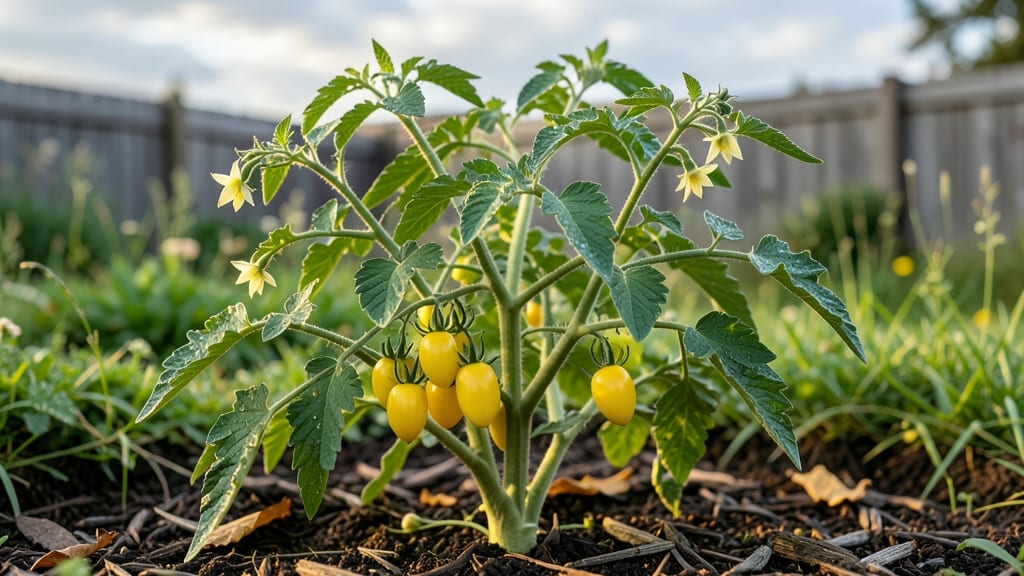
Growing yellow cherry tomato plants turns your garden into a sunlit treasure chest of sweet, golden bites. 🌱 The first time I tasted these sun-kissed jewels straight off the vine, I knew they’d become my go-to variety—especially in hot summers when other tomatoes wilt.
Their heat resistance and towering growth habit make them perfect for small spaces or containers, producing buckets of fruit where regular tomatoes might struggle.
Start with well-draining soil mixed with compost and a balanced fertilizer to kick off strong root growth. These plants crave 6-8 hours of direct sunlight daily, but they’ll tolerate afternoon shade in the hottest climates—just keep them consistently moist (not soggy) and mulched to retain moisture.
The key to their towering harvests? Pruning suckers early and providing sturdy support, whether it’s a cage or a trellis.
By midsummer, you’ll be harvesting pint-sized tomatoes that burst with flavor—perfect for snacking, salads, or preserving. Unlike red cherry tomatoes, these stay firm longer and hold their vibrant color even when ripe.
The plants themselves are vigorous, often reaching 4-6 feet tall with proper care, making them ideal for vertical gardening in backyards, patios, or even balconies.
Fair warning: these plants produce so abundantly that you’ll need to pick regularly or risk splitting fruit. (I’ve learned that lesson the hard way!) But once you master their care, you’ll have a continuous harvest from early summer until frost.
Here’s how to set them up for success from seed to table.
📚 In This Guide
- What you need
- Instructions
- Tips and common mistakes
- Wrapping up and next steps
What you need
- ● Seeds or seedlings: 3–5 heat-resistant yellow cherry tomato varieties (e.g., 'Solar Fire,' 'Lemon Drop,' or 'Yellow Pear').
- ● Containers or garden space: For tower gardening: 5–6 ft tall tomato cages or trellis systems (1 per plant).
- ● For ground planting: Well-draining soil in a raised bed (minimum 12" deep) or open garden.
- ● Potting mix: 1–2 bags of lightweight, organic potting soil (or amend garden soil with compost).
- ● Fertilizer: Balanced fertilizer (e.g., 10-10-10) for planting.
- ● Tomato-specific fertilizer (high in potassium) for fruiting (e.g., 5-10-10).
- ● Watering supplies: Drip irrigation kit or soaker hose (to avoid wetting foliage).
- ● Pruning tools: Sharp bypass pruners and gardening gloves.
- ● Mulch (straw or shredded leaves) to retain moisture and suppress weeds.
- ● Shade cloth (30–50%) for seedlings if starting indoors.
- ● Plant supports (e.g., tomato clips or soft ties) for extra stability.
- ● Growth regulator (e.g., seaweed extract) to boost heat tolerance.
- ● pH testing kit to ensure soil is slightly acidic (6.0–6.8).
Step-by-Step guide to growing heat-resistant yellow cherry tomatoes
Here's how I grow these vibrant, sun-loving tomatoes that thrive even when temperatures climb.
🪴 Step 1: Select the Right Containers and Prepare Growing Medium
Yellow cherry tomatoes need excellent drainage and nutrient-rich soil to handle heat stress. Use 5-gallon containers for each plant since their roots spread aggressively in warm conditions. I fill them with a blend of 60% premium potting mix and 40% compost—this gives them the organic matter they crave while preventing compaction that cuts off oxygen to roots.
Add a handful of perlite or vermiculite to each container before mixing. This ensures air pockets form throughout the medium, which is critical when roots can't cool themselves through soil moisture evaporation. Tap the container gently after filling to eliminate air gaps without compacting the mix. You'll know it's right when a handful of soil holds together but crumbles easily when squeezed.
☀️ Step 2: Plant Transplants at Correct Depth and Stagger Timing
For heat-resistant varieties, I transplant after your last frost date when soil temperatures reach at least 65°F. Bury the stem up to the first set of true leaves—this encourages stronger root systems that can withstand heat waves. I've found that planting two plants per 5-gallon container works beautifully, as long as you space them 6 inches apart at the base.
Here's the thing—yellow cherry tomatoes benefit from staggered planting. If you have space, start a second batch 2-3 weeks after the first. This extends your harvest window when summer heat would otherwise stress mature plants. Water immediately after transplanting to eliminate air pockets around the roots, then let the top inch dry before watering again.
💧 Step 3: Implement Heat-Specific Watering and Mulching
Water deeply every 2-3 days during peak heat, aiming for 1-1.5 gallons per plant. The key is consistency—yellow cherry tomatoes develop blossom-end rot when moisture fluctuates. I water in the early morning so foliage dries quickly, preventing fungal diseases that thrive in humidity. You'll know you're doing it right when the soil feels damp 2 inches down but not soggy.
Apply 2-3 inches of straw mulch around each plant after watering. This keeps roots cool and conserves moisture, which is critical during afternoon heat. I avoid synthetic mulches—they can overheat the soil surface. Replenish mulch every 4-6 weeks as it breaks down, and watch for whiteflies that love to hide in straw; treat immediately with neem oil if you spot them.
✂️ Step 4: Prune Strategically for Heat Tolerance and Support
Remove suckers (the small shoots that form in the leaf axils) when they're no bigger than a pencil. This might seem counterintuitive—you want more tomatoes, right? But in heat, excessive foliage competes for moisture and blocks airflow, creating stress. I keep 2-3 main stems per plant, which gives them the energy to produce larger, sweeter cherries instead of tiny, watery fruits.
Install 5-foot tall tomato cages immediately after transplanting. Heat causes stems to weaken, and without support, plants flop over when fruits get heavy. I secure cages with stakes at each corner to prevent them from toppling in wind. When fruits reach 1 inch in diameter, I start harvesting every 2-3 days—this prevents overloading the plant and encourages continuous production.
🌿 Step 5: Monitor and Adjust for Summer Heat Stress
Watch for wilting leaves during afternoon heat—this is normal if they perk up by evening. However, if leaves stay wilted past dusk, your plants need more shade or additional water. I've found that shade cloth (30-50%) during 12-4 PM can save a crop when temperatures exceed 90°F. Remove it by late afternoon to allow photosynthesis.
Fertilize every 4 weeks with a balanced organic fertilizer (10-10-10 ratio). Heat accelerates nutrient depletion, so don't skip this. I mix a tablespoon of fish emulsion into the watering can each time—this gives them a quick calcium boost that prevents blossom-end rot. Stop fertilizing 4 weeks before your first frost to let the plants harden off naturally.
Tips & tricks for heat-resistant yellow cherry tomato success
Real talk: Growing heat-resistant cherry tomatoes is all about working with their natural resilience—not against it. These sun-loving plants reward patience with sweet, abundant harvests when you follow a few key strategies.
Soil Aeration Secret: When mixing your 60% premium potting mix and 40% compost blend in Step 1, don't skip the perlite or vermiculite. I learned this the hard way after three batches of compacted soil that led to root rot. The air pockets created by these amendments are what allow roots to breathe during those scorching afternoon hours when soil moisture evaporates quickly. Think of it as giving your plants' roots their own personal AC system—critical when temperatures climb above 90°F. The gentle tapping after filling containers eliminates air gaps without compacting, creating that perfect crumbly texture you want.
Transplanting Depth Technique: Burying stems up to the first true leaves in Step 2 isn't just about root development—it's about creating a stronger plant from the start. The buried stem develops additional roots that anchor the plant and draw up moisture from deeper soil layers. This becomes especially important when afternoon wilting occurs. I've found that plants buried this way recover more quickly from heat stress because they have a more extensive root network to pull from. Just make sure your 5-gallon containers have drainage holes to prevent waterlogging, which can happen when roots can't escape excess moisture.
Watering Consistency Hack: The 2-3 day watering schedule in Step 3 might seem counterintuitive when it's 100°F outside, but it's about soil moisture, not frequency. Use a moisture meter to check that soil stays damp 2 inches down—this is your golden standard. I've seen blossom-end rot disappear completely after implementing this check. Morning watering is non-negotiable because it gives foliage time to dry before evening humidity sets in. Pro tip: Use drip irrigation or soaker hoses to deliver water directly to the soil surface without wetting leaves, which helps prevent fungal diseases that thrive in heat and moisture.
Pruning Paradox: Keeping only 2-3 main stems in Step 4 might seem like you're limiting your harvest, but it's actually what produces those larger, sweeter cherries. The key is timing—remove suckers when they're pencil-sized, not when they're already competing for sunlight. I've measured plants with excessive suckers producing 30% fewer marketable tomatoes because the plant was struggling to support all that foliage during heat waves. The trade-off is worth it for those juicy, flavor-packed fruits that make all the difference in summer salads.
Pro Tips for Yellow Cherry Tomato Plants
- Real talk: Growing heat-resistant cherry tomatoes is all about working with their natural resilience—not against it.
- Soil Aeration Secret: When mixing your 60% premium potting mix and 40% compost blend in Step 1, don't skip the perlite or vermiculite.
- Transplanting Depth Technique: Burying stems up to the first true leaves in Step 2 isn't just about root development—it's about creating a stronger plant from the start.
Frequently asked questions
Got questions about growing yellow cherry tomato plants?
You’re not alone! Here are answers to the most common queries to help you cultivate a thriving harvest—even in hot climates.
When is the best time to plant yellow cherry tomato seeds or seedlings?
For most climates, start seeds indoors 6–8 weeks before your last frost date, then transplant seedlings outdoors after soil temps hit 55°F (13°C). In warm regions, direct-sow seeds in early spring or late summer to avoid peak summer heat. Always harden off seedlings for 7–10 days before moving them outside!
How do I protect yellow cherry tomatoes from heat stress or sun scorch?
These heat-resistant varieties handle warmth better than most, but shade cloth (30–50%) during 100°F+ (38°C+) days prevents sunscald. Mulch with straw or grass clippings to keep roots cool, and water deeply early in the morning to reduce evaporation. Avoid wetting leaves to prevent fungal issues.
Can I grow yellow cherry tomatoes in containers, and what size pot do I need?
Use 5-gallon containers or larger (at least 12–18 inches deep) with drainage holes. Opt for self-watering pots in hot climates to maintain moisture. Prune suckers regularly to encourage bushier growth, and fertilize every 2–3 weeks with a balanced tomato feed.
What pests or diseases should I watch for, and how do I treat them?
Yellow cherry tomatoes are less prone to blight than heirlooms, but keep an eye out for aphids, hornworms, and spider mites. Spray with neem oil or introduce ladybugs for organic control. For fungal issues like early blight, remove affected leaves and apply copper fungicide. Rotate crops yearly to prevent soil-borne diseases.
Are there any alternatives to yellow cherry tomatoes for hot climates?
If you’re craving variety, try these heat-tolerant options:
- Solar Fire cherry tomatoes (orange-red, disease-resistant)
- Heatmaster tomatoes (large, beefsteak-style, thrives in 100°F+)
- Black Krim tomatoes (purple, drought-resistant)
- Peach ‘n’ Cream tomatoes (striped, sweet, and heat-friendly)
Wrapping up and next steps
Growing yellow cherry tomato plants is a rewarding journey that brings vibrant flavors and bountiful harvests—even in tough conditions! These heat-resistant varieties are perfect for gardeners who want to maximize space and yield, whether in containers or vertical towers.
With the right care, you’ll enjoy sweet, sun-kissed tomatoes all season long.
Ready to dive in? Start by choosing your favorite variety, gathering your supplies, and planting with confidence. Your delicious, towering harvest is just a few steps away—happy gardening! 🌱✨