
Pests and Diseases
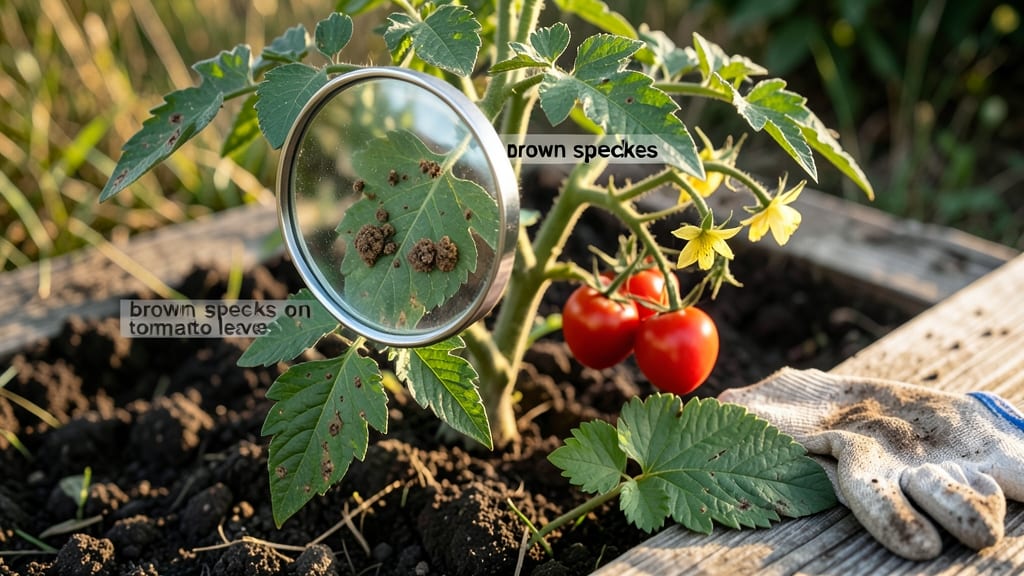
Brown specks on tomato leaves mean one thing: your plants are fighting a fungal battle. 🌱 I’ve battled this exact problem in my garden—first with wilting leaves, then with fruit that refused to ripen—until I learned the three-step cure that works every time.
The specks could be early blight (brown spots with yellow halos) or septoria leaf spot (tiny dark specks with gray centers). Check the undersides of leaves first—if you see fuzzy growth, it’s fungal. The good news?
You can stop it before it ruins your harvest with simple adjustments to watering, spacing, and a few targeted treatments. By the end of this, your plants will bounce back with vibrant green leaves and a full set of healthy fruit.
The key is acting fast—once the disease spreads to the stems, it’s harder to reverse. Let’s get those tomatoes thriving again.
Most gardeners make one of two mistakes: overwatering or crowding plants. Fungal spores love damp leaves, so water at the base (not overhead) and space your tomatoes 18-24 inches apart for airflow.
If you’ve already seen specks, prune infected leaves immediately and avoid working with wet foliage—this slows the spread dramatically. For treatment, start with a copper fungicide spray (organic and effective) or a baking soda mix (1 teaspoon baking soda + 1 quart water + a drop of dish soap).
Apply every 7-10 days until new growth appears. If the problem persists after two weeks, it might be time to consult a local extension office—they can test for resistant strains.
Prevention is easier than cure, so once you’ve saved this season’s crop, focus on next year. Plant disease-resistant varieties like ‘Mountain Merit’ or ‘Defiant PhR,’ rotate crops annually, and add 2-3 inches of mulch around the base to keep soil moist but leaves dry.
A little effort now means fewer headaches—and more tomatoes—later.
Root Causes Of Leaf Spots
Brown specks on tomato leaves aren’t just cosmetic—they’re a red flag from nature signaling trouble. Understanding the why behind these spots is the first step to saving your plants. Below, we break down the most common culprits, their science-backed triggers, and how they attack your tomatoes.
Fungi are the #1 cause of brown specks on tomato leaves, thriving in warm, humid conditions. These microscopic organisms release spores that land on leaves, germinate, and feast on plant tissues.
🌡️ Early Blight (Alternaria solani)
This fungal disease starts as small, dark brown or black spots with concentric rings—like a bullseye. Early blight spreads from the lower leaves upward, often appearing first on older foliage.
- How it happens: Spores survive in soil or infected plant debris, then splash onto leaves via water (rain, overhead irrigation). Ideal conditions? Warm (70–85°F) and damp weather.
- Actionable clue: Check for yellowing leaves below the spots—a classic sign of nutrient cutoff as the fungus blocks water flow.
💧 Late Blight (Phytophthora infestans)
Don’t let the name fool you—this aggressive fungus causes rapid leaf collapse, turning brown and mushy. It’s the same pathogen that famously destroyed Ireland’s potato crops in the 1840s.
- How it happens: Spores spread via water droplets or wind, especially in cool (50–77°F), wet conditions. It can even infect tomato fruits, leading to dark, greasy-looking lesions.
- Actionable clue: Look for white, fuzzy growth on the undersides of leaves—a telltale sign of spore production.
🍂 Septoria Leaf Spot (Septoria lycopersici)
This fungus creates tiny, dark brown spots with tiny black specks (pycnidia) in the center. Unlike early blight, it targets younger leaves first.
- How it happens: Overhead watering or humid nights (above 75% humidity) create the perfect breeding ground. Spores hitchhike on wind or tools.
- Actionable clue: Spots often appear in patterns along leaf veins, like a map of infection.
Not all brown specks come from fungi—some are the handiwork of tiny pests that chew, suck, or excrete waste onto leaves.
🐜 Spider Mites (Tetranychus spp.)
These microscopic arachnids don’t bite leaves—they pierce them, causing stippling (tiny brown dots) and webbing. Heavy infestations turn leaves crispy and brown.
- How it happens: Dry, hot conditions (below 50% humidity) weaken plants, making them more susceptible. Mites thrive in dusty or crowded gardens.
- Actionable clue: Hold a leaf up to light—you’ll see tiny moving specks or fine webbing on the undersides.
🐛 Aphids & Whiteflies
These sap-sucking insects leave behind sticky honeydew, which fosters sooty mold—a black, fuzzy fungus that coats leaves in brownish-gray patches.
- How it happens: Aphids cluster on new growth, while whiteflies prefer the undersides of leaves. Their waste attracts mold spores.
- Actionable clue: Wipe a leaf with a damp cloth—if it smudges black or brown, sooty mold is the culprit.
Sometimes, brown specks aren’t from pathogens or pests—but from physical damage or poor growing conditions.
☀️ Sun Scorch
Too much direct sun (especially after rain or transplant shock) causes leaves to bleach or brown in patches. Young leaves are most vulnerable.
- How it happens: Intense afternoon sun (10 AM–4 PM) on unacclimated plants leads to water loss faster than roots can replace it.
- Actionable clue: Spots appear on exposed leaf edges and are dry to the touch.
💧 Overwatering or Poor Drainage
Waterlogged soil suffocates roots, leading to nutrient deficiencies that manifest as brown, crispy spots—often on older leaves.
- How it happens: Compacted or clay-heavy soil traps moisture, while overzealous watering drowns roots. Tomato plants need well-draining soil.
- Actionable clue: Check soil moisture—if it’s soggy 2+ inches down, drainage is the issue.
🧪 Chemical Burn (Fertilizer or Herbicide)
Too much salt (from fertilizers like Epsom salt or synthetic blends) or herbicide drift can scorch leaves, leaving brown, irregular patches.
- How it happens: Over-fertilizing or using high-sodium amendments disrupts cell function. Herbicides (even organic ones) can drift onto leaves.
- Actionable clue: Spots appear randomly and may have yellow halos around them.
Now that you know the why, the next step is identifying the exact threat and acting fast. Most fungal issues spread in 48–72 hours, so early intervention is key!
Quick Fixes for Leaf Spots
Got brown specks marring your tomato leaves? Don’t panic—these practical solutions will help you reclaim your plants in no time. Below, we’ve mapped the most common causes to easy, actionable fixes, plus prevention tips to keep your garden thriving. Let’s turn those spotted leaves into lush, healthy foliage!
Fungal diseases like early blight, late blight, or septoria leaf spot are the #1 culprits behind those unsightly brown specks. Here’s how to stop the spread and restore your tomatoes:
🔥 Step 1: Prune & Remove Infected Leaves
- 👨🍳 Snip it out: Use sterilized pruners (wipe with rubbing alcohol) to cut off all leaves with brown spots—even tiny ones.
Toss them in the trash (not compost!). - 🌡️ Why it works: Fungi spread via spores, and removing infected leaves breaks the cycle. - ✨ Pro tip: Focus on lower leaves first—they’re often the first to show signs.
🌧️ Step 2: Improve Airflow & Watering Habits
Fungi love humidity and wet leaves. Adjust your care routine:
- 💡 Space plants: Give tomatoes 18–24 inches of space between plants for better airflow.
- 🌅 Water at the base: Avoid overhead watering (especially in the evening).
Use drip irrigation or water early in the day so leaves dry quickly. - 🌡️ Mulch properly: Apply 2–3 inches of straw or grass clippings around the base (but not touching leaves) to reduce soil splatter.
🍄 Step 3: Apply Fungicidal Treatments (Organic & Chemical)
| Option | How to Use | When to Apply |
|---|---|---|
| Neem oil | Mix 1 tbsp neem oil + 1 tsp mild soap + 1 quart water. Spray every 7–10 days. | At first sign of spots + after rain. |
| Baking soda spray | Combine 1 tbsp baking soda, 1 tsp oil, 1 tsp soap, 1 gallon water. Spray weekly. | Best for prevention (not severe cases). |
| Copper fungicide | Follow label instructions (e.g., Cheshunt Compound). Spray every 10–14 days. | For active infections (use at dusk). |
| Commercial fungicides | Products like Maneb or Chlorothalonil (e.g., Daconil). Rotate if needed. | Severe cases—follow package rates. |
- 💡 Pro tip: Rotate treatments to prevent resistance. Alternate between neem oil and copper fungicide for best results.
🌱 Prevention for Next Season
- 🌱 Crop rotation: Don’t plant tomatoes (or nightshades like peppers/eggplants) in the same spot for 3 years.
- 🌱 Solarize soil: In warm climates, cover soil with clear plastic for 4–6 weeks in summer to kill fungal spores.
- 🌱 Resistant varieties: Choose blight-resistant tomatoes like ‘Mountain Merit’ or ‘Defiant PhR’.
If brown specks are actually pest-related (e.g., spider mites, aphids, or flea beetles), here’s how to evict the invaders:
🕷️ Step 1: Identify the Pest
- Spider mites: Tiny webs + stippled, speckled leaves (often yellow/brown).
- Aphids: Sticky residue (honeydew) + curled, spotted leaves.
- Flea beetles: Shotgun-like holes in leaves (not just brown specks).
🔪 Step 2: Blast Them Away
| Pest | Treatment | Frequency |
|---|---|---|
| Spider mites | Spray with water + dish soap (1 tsp soap per quart) or neem oil. | Every 3–5 days until gone. |
| Aphids | Blast with water (strong stream) or use insecticidal soap. | Daily for 3–5 days. |
| Flea beetles | Row covers (fine netting) or pyrethrin spray (organic). | At dusk (they’re nocturnal). |
- ✨ Pro tip: Ladybugs and lacewings are natural predators—encourage them by planting dill, fennel, or marigolds nearby!
🛡️ Prevention for Pest-Free Tomatoes
- 🛡️ Yellow sticky traps: Hang near plants to catch flying pests.
- 🛡️ Healthy soil: Compost-rich soil grows stronger plants that pests avoid.
- 🛡️ Early intervention: Check leaves weekly—catch pests before they spread!
If brown specks are due to sun scorch, nutrient deficiency, or extreme heat, focus on recovery and protection:
🌞 Step 1: Shield from Harsh Conditions
- 🌞 Shade cloth: Use 30–50% shade cloth during peak afternoon sun (12–4 PM).
- 🌞 Mulch heavily: 4–6 inches of mulch keeps roots cool and moist.
- 🌞 Drip irrigation: Water deeply 1–2 times/day (early morning + late afternoon).
🍅 Step 2: Boost Nutrients Brown specks from nutrient burn?
Feed your tomatoes: - 💪 Epsom salt (magnesium): Mix 1 tbsp per gallon of water, spray leaves weekly. - 💪 Balanced fertilizer: Use a 5-5-5 or 10-10-10 fertilizer every 2–3 weeks. - 💪 Calcium: Crushed eggshells or calcium nitrate prevents blossom-end rot (which can mimic spots).
🌱 Long-Term Care
- 🌱 Succession planting: Replace old plants with new seedlings mid-season.
- 🌱 Windbreaks: Use burlap screens or tall plants to block harsh winds.
- 🌱 Evening watering: Water before sunset to reduce evaporation stress.
🎯 Final Reminder: The key to spotting-free tomatoes is consistency. Check your plants daily, act fast at the first sign of trouble, and prevent future outbreaks with smart gardening habits. Your tomatoes will be back to their vibrant best in no time! 🍅✨
Frequently asked questions
How can I tell if my tomato leaves have early blight vs. septoria leaf spot?
Check the spot patterns and leaf placement: Early blight shows brown concentric rings on older, lower leaves, while septoria leaf spot creates tiny dark specks with black centers on younger leaves. Early blight often has yellow halos, while septoria spots follow leaf veins like a map.
Will removing infected leaves really stop the spread of fungal diseases?
Yes! Removing infected leaves breaks the spore cycle—fungi spread through spores on infected foliage. Use sterilized pruners and dispose of leaves in the trash (not compost) to prevent reinfection. Prune in dry weather for best results.
Can I still harvest tomatoes if the leaves have brown specks?
Yes, but focus on healthy leaves first. If the specks are from early blight or septoria, the fruit is usually safe to eat—just avoid leaves with severe damage. For late blight (mushy, collapsing leaves), harvest only ripe tomatoes immediately and destroy infected plants.
How often should I spray neem oil for fungal prevention?
Apply neem oil every 7–10 days during humid weather or after rain. Mix 1 tbsp neem oil + 1 tsp mild soap + 1 quart water and spray in the early morning for best coverage. Stop spraying 24 hours before harvest to avoid residue.
What’s the fastest way to tell if brown specks are from pests vs. disease?
Look for movement: Hold a leaf up to light—if you see tiny crawling specks (mites) or sticky residue (aphids), it’s pests. For disease, check for fuzzy growth (fungus) or concentric rings. Pest damage often appears on new growth, while disease targets older leaves first.