
Planting
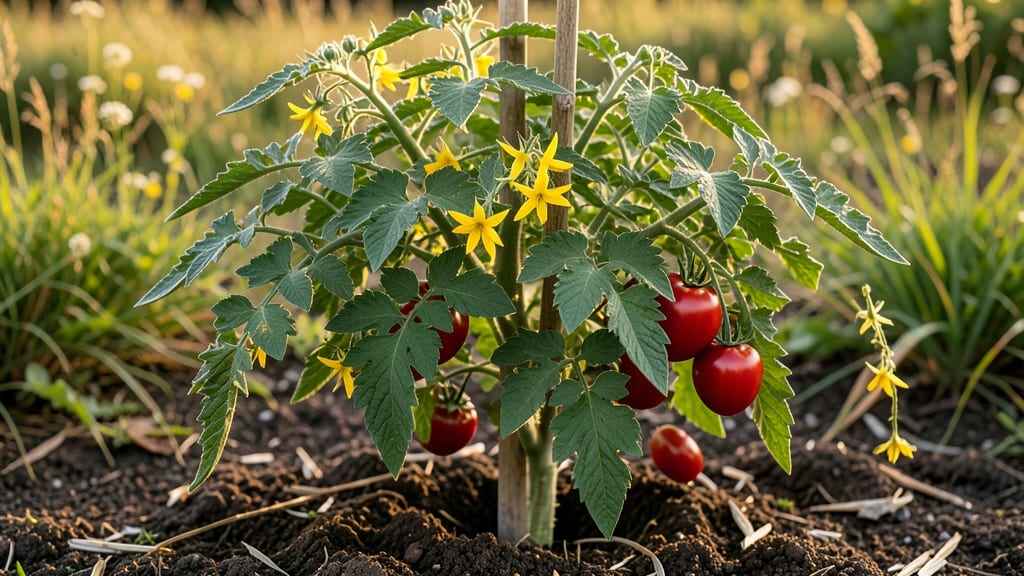
Growing a Beefmaster tomato plant means heat-resistant, beefsteak-sized tomatoes that outperform most varieties in hot climates. 🌞 I’ve grown this variety for three summers straight, and it’s the only one that thrives when temperatures hit 95°F—producing fruit while others wilt.
The key lies in its deep roots and thick skin, but even this champion needs the right conditions to reach its full potential.
Start with rich, well-draining soil mixed with compost (think 6-8 inches deep) and a sturdy cage or trellis—these plants can grow 6-8 feet tall and need support. Place them in full sun (6-8 hours daily) and water deeply twice weekly, ensuring the soil stays moist but not soggy.
Prune suckers regularly to direct energy toward fruit production, and fertilize every 4-6 weeks with a balanced, organic feed.
By mid-summer, you’ll be harvesting 2-3 pound tomatoes with rich, meaty flesh perfect for sandwiches or sauces. The plants handle heat better than most, but watch for blossom end rot (calcium deficiency) or early blight—both common in hot, humid conditions.
A mulch layer and even watering prevent these issues, keeping your harvest consistent.
This variety shines in USDA zones 4-10, making it adaptable for nearly any climate. Whether you’re a beginner or a seasoned gardener, the Beefmaster delivers reliable, high-quality tomatoes when others fail. Ready to grow yours?
📚 In This Guide
- What you need
- Instructions
- Tips and common mistakes
- Wrapping up and next steps
What you need
- ● Beefmaster tomato seeds – 5-10 seeds (or 1-2 seedlings from a nursery).
- ● Well-draining potting mix – 10-15 lbs (or a 5-gallon bag). Look for a mix labeled for vegetables or tomatoes.
- ● Containers or garden bed – For containers: 5-gallon pots or larger (at least 12 inches deep).
- ● For in-ground planting: Full sun (6-8+ hours daily) and loose, fertile soil with a pH of 6.0-6.8.
- ● Slow-release fertilizer (10-10-10 or tomato-specific blend) – 1 lb per plant.
- ● Organic mulch (straw, grass clippings, or shredded leaves) – 2-3 inches to retain moisture.
- ● Gloves – A pair to protect your hands from dirt and thorns.
- ● Hand trowel or transplanting spade – For digging and planting.
- ● Watering can or hose with a gentle spray nozzle – Beefmasters love consistent moisture!
- ● Tomato cages or stakes (6-8 ft tall) – To support those heavy vines.
- ● Pruning shears – For trimming suckers and shaping the plant.
- ○ Drip irrigation or soaker hose (optional) – Keeps roots hydrated without wetting leaves (prevents disease).
- ○ Shade cloth (30-50%) (optional) – For seedlings if temps exceed 90°F.
Step-by-step instructions for growing Beefmaster tomatoes
Here's how I grow these heat-tolerant giants—strong, productive, and ready to handle summer's worst.
🌱 Step 1: Start Seeds Indoors at the Right Time
Begin seeds 6-8 weeks before your last frost date. Beefmaster tomatoes need time to mature, especially in cooler climates. I use 2-3 inch deep biodegradable pots filled with sterile seed-starting mix—never garden soil, which can harbor diseases that kill seedlings.
Plant seeds ¼ inch deep and cover lightly with additional mix. Mist the surface until evenly damp, then place pots in a warm spot (75-85°F) with bright light. A seedling heat mat speeds germination to 5-10 days. Watch for the first true leaves—the moment they appear, move plants to 14-16 hours of light daily.
☀️ Step 2: Harden Off and Transplant After Warmth
Two weeks before your last frost, start hardening off seedlings by placing them outside in a sheltered spot for 1-2 hours the first day. Gradually increase exposure over 10-14 days, ending with full sun. Beefmaster tomatoes thrive in heat, but sudden temperature swings can shock them.
Transplant after soil reaches 60°F and nighttime temps stay above 50°F. Bury stems deeper than in the pot—up to ⅓ of the plant's height—to encourage strong root systems. Space plants 2-3 feet apart in rows 3-4 feet apart for airflow.
💧 Step 3: Water Deeply and Mulch for Heat Resistance
Water at the base 1-2 inches deep every 2-3 days, letting soil dry slightly between waterings. Beefmaster tomatoes hate soggy roots but need consistent moisture—drip irrigation or soaker hoses prevent leaf diseases. Mulch with 2-3 inches of straw to retain moisture and keep roots cool.
Fertilize lightly at planting with 5-10-10 and again when flowers appear. Too much nitrogen early leads to leafy growth at the expense of fruit. Watch for yellowing lower leaves—this signals either overwatering or nutrient deficiency.
✂️ Step 4: Prune and Support for Maximum Yield
Install sturdy cages or stakes at planting to support the 6-8 foot vines. Prune suckers (shoots in leaf axils) to focus energy on fruit production. Remove leaves touching the ground to prevent soil-borne diseases. Beefmaster tomatoes produce heavy fruit, so tie vines to supports every 2-3 weeks.
When clusters reach 1 pound, remove the smallest fruit to improve size on remaining tomatoes. Harvest when fully colored and slightly soft to the touch. Regular harvesting encourages more production—don't let fruit overripe on the vine.
🌿 Step 5: Manage Heat Stress and Pests
In extreme heat (90°F+), provide afternoon shade to prevent blossom drop. Water deeply in the morning to cool roots. Beefmaster tomatoes are disease-resistant but can attract hornworms—check leaves daily and remove pests by hand.
At season's end, compost healthy vines or burn them to prevent disease carryover. Save seeds from your best tomatoes for next year's garden. With proper care, one plant yields 20-30 pounds of beefsteak-sized tomatoes—worth every effort.
Tips & tricks for growing heat-resistant Beefmaster tomatoes
These pro tips will help you coax the biggest, juiciest tomatoes from your Beefmaster plants—even in brutal summer heat.
Seed Starting: The 6-8 week indoor growing period is non-negotiable for Beefmaster tomatoes, which need that long maturation window. I've learned the hard way that rushing this step leads to stunted plants that never reach their full 6-8 foot potential. Use a heat mat to maintain those 75-85°F temperatures—it cuts germination time from 14 days to just 5-10 days. Once those first true leaves appear, immediately switch to 14-16 hours of light daily using grow lights if natural light falls short.
Transplant Timing: Don't be fooled by warm days—wait until soil reaches a steady 60°F and nighttime temps stay above 50°F before transplanting. I've seen many gardeners rush this step only to have their plants wilt from nighttime chills. Bury those stems deep (up to ⅓ of the plant's height) to encourage robust root systems that can support those heavy beefsteak tomatoes. The 2-3 foot spacing gives plants room to develop strong structures without competing for nutrients.
Heat Management: When temperatures hit 90°F+, your Beefmaster tomatoes will thank you for afternoon shade. I use shade cloth or even a simple white sheet draped over a frame during the hottest hours. Watering deeply in the morning (not evening) prevents fungal diseases while keeping roots cool. The 2-3 inches of straw mulch is your best friend—it retains moisture and insulates roots from temperature swings that can cause blossom drop.
Pruning Strategy: Those suckers might look tempting, but resist the urge to leave them! Pruning every 2-3 weeks directs the plant's energy toward fruit production rather than leaf growth. When clusters reach 1 pound, remove the smallest tomatoes—this forces the remaining fruit to grow larger. Beefmaster tomatoes produce so much fruit that tying vines to supports every few weeks prevents broken stems. Harvest when tomatoes are fully colored and slightly soft to the touch—this encourages continuous production throughout the season.
Pro Tips for Beefmaster Tomato Plant
- These pro tips will help you coax the biggest, juiciest tomatoes from your Beefmaster plants—even in brutal summer heat.
- Seed Starting: The 6-8 week indoor growing period is non-negotiable for Beefmaster tomatoes, which need that long maturation window.
- Transplant Timing: Don't be fooled by warm days—wait until soil reaches a steady 60°F and nighttime temps stay above 50°F before transplanting.
Frequently asked questions
Got questions about growing Beefmaster tomato plants? You're not alone! This heat-loving variety is a game-changer, but it’s smart to know the ins and outs before diving in. Here are answers to the most common queries—so you can grow like a pro.
How hot can Beefmaster tomatoes handle?
Beefmaster tomatoes thrive in extreme heat—they’re bred to handle temperatures up to 95°F (35°C) or even higher with proper care. Unlike many varieties, they won’t bolt or set fruit poorly in scorching conditions. Just ensure they get consistent watering (1–2 inches per week) and mulch to retain moisture.
When is the best time to plant Beefmaster tomatoes?
Plant Beefmaster tomatoes after the last frost when soil temps are at least 60°F (15°C). For warm climates, start seeds indoors 6–8 weeks before the last frost or direct-sow in late spring. In hotter regions, you can even plant in early summer—they love the heat!
Can I grow Beefmaster tomatoes in containers?
Beefmaster tomatoes do well in large containers (at least 5 gallons) with proper drainage. Use a high-quality potting mix and support the plant with a cage or trellis since they can grow 6–8 feet tall. Just ensure the container gets full sun (6–8 hours daily) and water regularly.
What pests or diseases should I watch for?
Beefmaster tomatoes are disease-resistant (especially to Verticillium and Fusarium wilt), but they can still attract hornworms, aphids, or whiteflies. Monitor leaves for chewed foliage or sticky residue—handpick pests or use neem oil if needed. Prune lower leaves to improve airflow and reduce humidity-related issues.
Why aren’t my Beefmaster tomatoes fruiting?
If your Beefmaster tomatoes aren’t producing, check for these common issues:
- Inconsistent watering—fluctuations can cause blossom drop. Keep soil evenly moist.
- Lack of pollination—hand-pollinate flowers with a soft brush if bees are scarce.
- Extreme heat or cold—temperatures below 55°F (13°C) or above 95°F (35°C) can stunt fruit set.
- Nutrient deficiency—add balanced fertilizer (like 10-10-10) every 3–4 weeks.
Wrapping up and next steps
Growing a Beefmaster tomato plant is your ticket to a bountiful, heat-loving harvest that’ll make your garden—and your dinner table—the envy of the neighborhood! 🌱 With the right soil, support, and care, this beefsteak beauty thrives where others wilt, delivering juicy, flavorful tomatoes that scream "summer."
Whether you're a seasoned gardener or a curious beginner, your hard work will pay off in big (and delicious) ways.
Ready to take the next step? Start by planting your seeds or seedlings this season, and soon you’ll be savoring homegrown tomatoes that taste like sunshine. Happy growing! 🍅✨