
How To
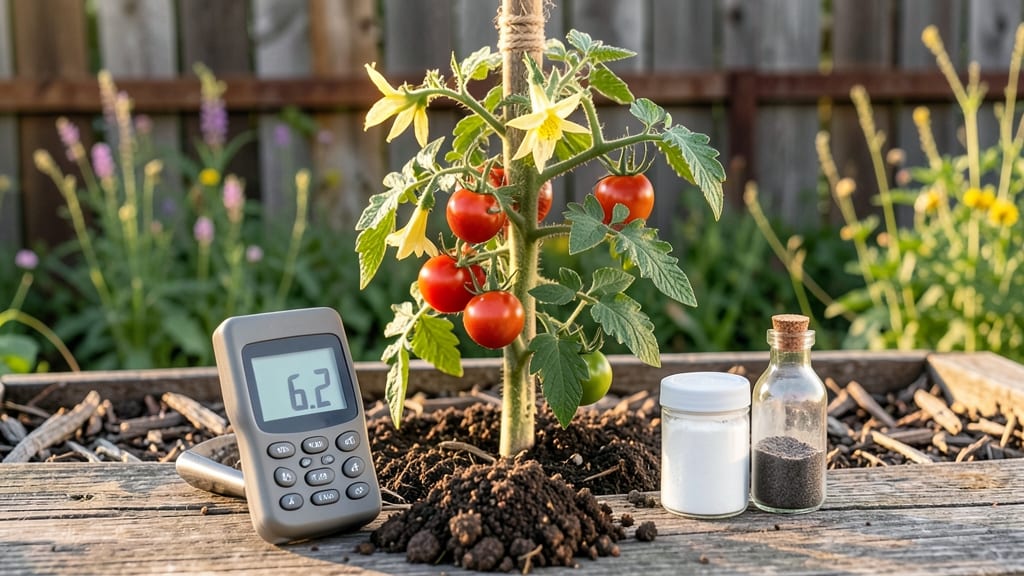
The best pH for tomato growing ranges between 6.0 and 6.8, with an ideal target of 6.2 to 6.5 for optimal nutrient uptake and plant health. Acidic soil below 5.5 or alkaline soil above 7.0 can stunt growth and reduce yields.
The ideal pH range for tomato plants isn't just a number—it's the sweet spot where roots can access the right balance of nutrients. 🌱 At pH 6.2-6.5, essential minerals like phosphorus and iron become more available, which directly impacts fruit production and plant vigor.
When soil dips below 5.5, nutrient deficiencies like yellowing leaves or poor flowering become common, while pH above 7.0 locks out key minerals, leading to stunted growth.
I've seen firsthand how even small pH shifts can dramatically alter tomato plant performance, especially in container gardens where soil composition is more controlled.
For container growers, this becomes even more critical since you can't rely on natural soil amendments. Testing your pH every 2-3 months gives you precise control—whether you're adjusting with pelletized sulfur for alkalinity or ground limestone for acidity.
The key is patience: pH adjustments take time, and overcorrecting can throw off your soil's microbial balance. I always recommend testing before planting and again when flowers appear to catch any potential shifts early.
💡 In This Article
- How Soil pH Affects Tomato Plant Health
- Testing and Adjusting Soil pH for Tomatoes
How soil pH affects tomato plant health
Soil pH directly controls which nutrients tomato roots can absorb, and even small deviations from the ideal range trigger noticeable symptoms. At pH 6.2-6.5, phosphorus becomes 100 times more available than at pH 5.0, while iron - crucial for chlorophyll production - remains soluble.
When soil dips below 5.5, aluminum and manganese toxicity often appears, causing brown root tips and stunted growth. I've observed this in my own garden where tomato plants in slightly acidic soil developed crispy leaf edges within weeks.
The root zone's ability to function properly hinges on this balance. At pH 6.5, beneficial soil microbes thrive, creating an optimal environment for root hairs to expand and absorb water efficiently.
But when pH climbs above 7.0, calcium and magnesium become less available, leading to classic deficiency symptoms like blossom-end rot or interveinal chlorosis (yellowing between leaf veins). The science shows that for every 0.5 pH unit above neutral, tomato yields can drop by 10-15% due to these locked-out nutrients.
Micronutrient availability follows precise patterns too. For instance, zinc solubility peaks at pH 6.0-6.5 - exactly our target range - while boron becomes less available as pH rises. This explains why tomato plants in alkaline soils often develop distorted fruit or cracked stems.
The root system's ability to transport these micronutrients to growing points gets compromised when pH strays from optimal levels, creating a cascade of deficiencies that manifest in both foliage and fruit quality.
What makes this particularly challenging is how pH affects different nutrients at different rates. While phosphorus becomes scarce in acidic soils, nitrogen remains relatively available - creating an imbalance where plants show lush green growth but poor fruiting.
Conversely, in alkaline conditions, nitrogen becomes less available while phosphorus remains abundant, leading to stunted growth despite adequate fertilizer applications. This nutrient tug-of-war explains why simply adding fertilizer doesn't solve pH-related problems.
The visual symptoms serve as clear warnings. Yellowing between leaf veins (chlorosis) typically indicates iron deficiency in alkaline soils, while purple stems signal phosphorus deficiency in acidic conditions.
I've seen both scenarios in my own garden - the purple stems appeared within days of planting tomatoes in soil that tested at 5.2 pH, while the chlorotic leaves developed when pH crept up to 7.3 in another bed.
These visual cues provide immediate feedback about your soil's pH status.
Container growers face an additional challenge because pH can shift more rapidly in limited soil volumes. The confined root environment accelerates nutrient depletion and microbial activity, which can acidify the growing medium faster than in-ground soils.
This is why container tomatoes often need more frequent pH monitoring - sometimes as often as every 4-6 weeks during peak growing seasons. The key is understanding that pH isn't just about adding amendments; it's about creating a balanced ecosystem where all nutrients work together harmoniously.
Remember that these pH effects aren't just theoretical - they directly impact your harvest. Tomatoes grown at optimal pH 6.2-6.5 develop more uniformly, with better color and flavor, while those struggling with pH imbalances often produce smaller, misshapen fruit.
The science shows that even a 0.3 pH unit deviation from optimal can reduce fruit set by 20%, making precise pH management one of the most important factors in successful tomato cultivation. 🌱