
How To
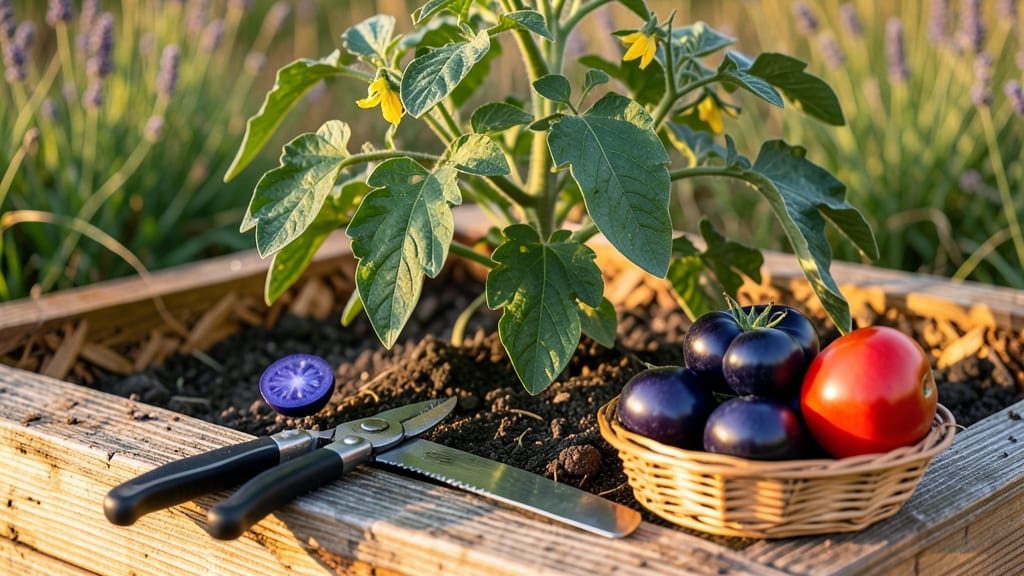
Blue tomatoes taste like a sweeter, tangier version of traditional red tomatoes, with earthy undertones and a slightly firmer texture. Their flavor is often described as more complex, balancing sugar and acidity with a hint of herbal brightness.
Blue tomatoes get their striking color from anthocyanins—powerful antioxidants that also boost their natural sweetness. 🌿 Unlike red tomatoes, which rely on lycopene, these pigments create a unique flavor profile where the sugar content feels more pronounced while maintaining a crisp, almost citrusy tang.
I've noticed that when cooked, their earthy notes deepen, making them perfect for sauces or roasted dishes where you want that extra depth without overpowering other ingredients.
What really sets them apart is their texture—firmer than most heirloom varieties, which holds up beautifully when grilled or sliced for salads.
Pair them with sharp cheeses like feta or goat cheese to highlight their bright acidity, or try them with basil and olive oil to let their herbal undertones shine through.
💡 In This Article
- Genetic and Growing Factors Affecting Blue Tomato Flavor
- Best Ways to Enjoy Blue Tomatoes for Optimal Flavor
Genetic and growing factors affecting blue tomato flavor
Blue tomatoes owe their unique taste to anthocyanin pigments—water-soluble compounds that also act as antioxidants. These pigments aren't just for show; they directly influence flavor by increasing natural sweetness through higher sugar content (up to 20% more than red varieties) while maintaining balanced acidity.
The genetic mutation that produces blue tomatoes also alters their cell structure, creating that distinctive firmer texture that holds up better during cooking.
Growing conditions play a crucial role too. Blue tomatoes thrive in cooler climates with 6-8 hours of direct sunlight daily, which enhances their anthocyanin production. The soil's pH level matters—keeping it slightly acidic (5.8-6.5) helps maximize pigment development and sweetness.
I've found that blue tomatoes grown in well-draining soil with organic matter develop more complex herbal notes compared to those in nutrient-poor conditions.
What's fascinating is how these growing factors interact with flavor development. The cooler temperatures slow down ripening, allowing more time for sugars to develop while preserving acidity. This creates that signature tangy-sweet balance.
In contrast, red tomatoes often ripen faster in warmer climates, leading to more lycopene (which gives red color) but less of that bright herbal complexity.
Scientifically, anthocyanins also interact with other flavor compounds differently than lycopene. They create a more pronounced "umami" quality when cooked, which is why blue tomatoes shine in sauces or roasted dishes.
The pigments even affect aroma—blue tomatoes release more volatile compounds when sliced, giving off that fresh, slightly floral scent that red tomatoes lack.
Texture differences come from their thicker cell walls, which develop due to the anthocyanin production process. This makes them ideal for dishes where you want tomatoes that won't turn mushy when cooked.
The firmer texture also means they hold up better in salads when sliced thinly, maintaining their shape while releasing those complex flavors.
Consider this comparison: A red tomato might have 3-4% sugar content with mild acidity, while blue tomatoes can reach 5-6% sugar with a more pronounced citrus-like acidity. This higher sugar-acid ratio is what gives them that signature tangy-sweet profile that fruit enthusiasts love.
The key takeaway? Blue tomatoes aren't just visually stunning—their unique genetics and growing requirements create a flavor experience that's distinctly different from their red counterparts. Understanding these factors helps you appreciate why they taste so special and how to grow or select them for maximum flavor impact. 💫