
Plants
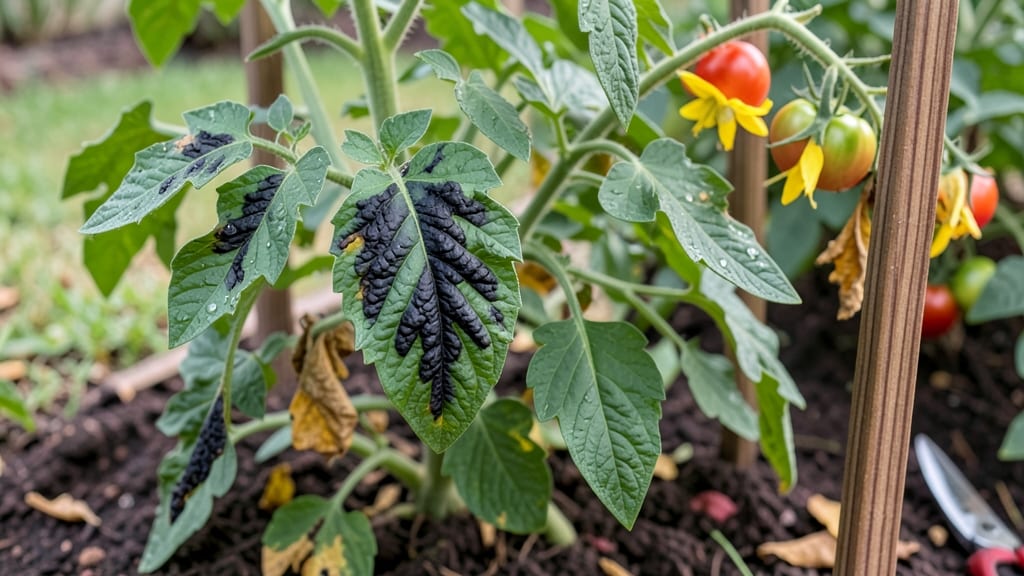
Black rot on tomato plants turns leaves into crispy, blackened messes that steal your harvest. 🌱 I’ve lost entire plants to this stubborn fungal disease, but copper spray saved my next batch—and it can save yours too. The key is acting fast before the rot spreads to stems and fruit.
This isn’t just another leaf spot—black rot thrives in wet, warm conditions and spreads through splashing water or infected tools. Unlike early blight (which starts at the bottom) or bacterial spot (tiny brown dots), black rot creates large, irregular black patches that look like someone burned the leaves.
The moment you spot those jagged edges, grab your copper fungicide.
With copper spray, you’ll stop the rot in its tracks within 7-10 days of consistent applications. Prune infected leaves immediately, space plants for airflow, and water at the base—not overhead—to create an unfriendly environment for the fungus. Your tomatoes will rebound with vibrant green foliage and full, disease-free fruit.
Works for greenhouse tomatoes, container plants, or backyard gardens—just adjust your spray schedule based on humidity. Here’s how to make it work for your setup.
Root Causes of Tomato Blight
Black rot on tomato plants isn’t just a random bad luck scenario—it’s the result of specific environmental and biological factors working together. Understanding these causes is the first step toward prevention and treatment.
Below, we break down the science behind why your tomato plants might be falling victim to this destructive disease.
Black rot thrives in warm, humid conditions, particularly when temperatures hover between 68°F and 86°F (20°C–30°C). Here’s why:
- High humidity (above 75%) creates a damp, moist environment—ideal for the Xanthomonas perforans bacteria (the primary culprit behind black rot) to spread via water droplets or splashing rain.
- Slow evaporation in humid climates means water lingers on leaves longer, giving bacteria more time to infect stomata (tiny leaf pores).
- Nighttime dew or overhead irrigation can turn leaves into bacterial breeding grounds overnight.
💡 Pro Tip: If your garden is prone to muggy evenings, consider early morning watering (before 10 AM) to let foliage dry faster.
Black rot doesn’t just float through the air—it hitches rides on water. Here’s how:
- Overhead irrigation (sprinklers, hose blasts) sends bacteria-laden droplets from infected plant debris (like fallen leaves) directly onto healthy leaves.
- Poor drainage leads to water pooling around stems, creating a bacteria-rich soup at the plant’s base.
- Rain or wind-driven rain can spread the disease from infected plants to nearby healthy ones within hours.
🌡️ Science Note: Studies show that Xanthomonas bacteria can survive in soil or plant residue for weeks, waiting for the next rain to reignite infections.
Healthy tomato plants resist black rot better than stressed ones. Common stressors that lower defenses include:
- Nutrient deficiencies: Low nitrogen or potassium weakens cell walls, making them easier targets for bacteria.
- Physical damage: Pruning wounds, insect bites (like from tomato hornworms), or hail can create entry points for Xanthomonas.
- Overcrowding: Poor air circulation traps humidity and blocks sunlight, slowing recovery and spreading spores faster.
- Transplant shock: Newly planted tomatoes are vulnerable until their roots establish (typically 2–3 weeks).
✨ Actionable Fix: Harden off seedlings gradually and space plants 18–24 inches apart for optimal airflow.
Bacteria are persistent. Even after removing infected plants, they can linger in:
- Garden tools: Pruners, trowels, or stakes contaminated with bacterial ooze can transfer the disease to healthy plants.
- Infected plant debris: Leaving behind rotting stems or leaves in the soil acts as a bacterial reservoir for next season.
- Compost piles: If compost isn’t heated to 140°F+ (60°C+), pathogens survive and reinfect new plants.
🔥 Sterilization Tip: Clean tools with a 10% bleach solution (1 part bleach to 9 parts water) or rubbing alcohol between uses.
Next up: How to spot black rot early and stop it before it ruins your harvest.
Fixing Black Rot on Tomato Plants
Black rot on tomato plants can feel like a setback, but don’t toss those plants just yet! With the right approach, you can save your harvest and prevent future outbreaks.
Below are practical, step-by-step solutions tailored to the most common causes—from fungal infections to environmental stressors—plus prevention tips to keep your garden thriving.
If you’ve spotted dark, sunken lesions or blackened stems, act fast to stop the spread.
- 🍳 Prune infected leaves and stems using sterilized pruners (wipe with rubbing alcohol between cuts).
- 🗑️ Dispose of diseased material in the trash (not compost)—this prevents reinfection.
- 🌡️ Avoid wetting foliage when watering; focus on soil-level irrigation to reduce moisture on leaves.
Pro Tip: 💡 Morning watering is best—wet leaves dry faster in sunlight, discouraging fungal growth.
Copper sprays are highly effective against black rot (Alternaria solani) because copper disrupts fungal spores.
- 👨🍳 Mix a copper fungicide (like copper sulfate or copper hydroxide) as directed on the label.
- 🥘 Spray thoroughly on both sides of leaves, stems, and even the soil around the base (fungi lurk there too!).
- ⏰ Reapply every 7–14 days or after heavy rain (copper washes off).
- ⚠️ Safety first! Wear gloves and avoid spraying on hot days (copper can burn leaves).
Pro Tip: ✨ Preventative sprays (before symptoms appear) work best—think of it like sunscreen for your plants!
A weak tomato plant is an open invitation for black rot.
Strengthen defenses with these low-effort fixes: - 💪 Improve airflow by pruning crowded branches and spacing plants 18–24 inches apart. - 🥗 Feed with compost or balanced fertilizer (high in phosphorus and potassium) to encourage stronger cell walls. - 🍎 Mulch with straw or grass clippings to keep soil moist but not soggy (fungi love damp conditions). - 🌡️ Avoid overhead watering—use drip irrigation or soaker hoses to keep foliage dry.
Pro Tip: 🎯 Rotate crops—don’t plant tomatoes (or nightshades like peppers/eggplants) in the same spot yearly to break the fungal cycle.
Once you’ve treated the current infection, break the cycle with these preventative habits:
- 🌱 Start with disease-resistant varieties like ‘Mountain Merit’ or ‘Defiant PhR’ tomatoes.
- 🍅 Practice crop rotation—wait 3 years before replanting tomatoes in the same bed.
- 🧼 Sterilize tools and containers between growing seasons (bleach or alcohol works).
- 🌿 Test your soil—black rot thrives in acidic or nutrient-poor soil; aim for a pH of 6.0–6.8.
Pro Tip: 🔥 Baking soda spray (1 tsp baking soda + 1 quart water + a drop of dish soap) can supplement copper sprays as a natural fungicide.
Remember: Patience and consistency are key. With copper treatments, better airflow, and preventive care, your tomato plants can bounce back stronger—and you’ll be feasting on juicy, rot-free tomatoes in no time! 🍅🌿
Frequently asked questions
What does black rot look like on tomato leaves?
Black rot starts as small, irregular dark brown or black spots with jagged edges on older leaves. As it spreads, these spots grow larger, turn crispy, and create shotgun-like holes in the foliage. Unlike early blight (which starts at the bottom), black rot often appears on upper leaves first.
Can copper spray fix black rot after it appears?
Yes, but act fast! Copper fungicide can stop the spread and help leaves recover if applied within 7-10 days of first symptoms. Spray both sides of leaves every 7-14 days and combine with pruning infected areas. For severe cases, repeat for 3-4 weeks or until new growth appears.
Will black rot kill my tomato plant?
It can if untreated, but most plants survive with proper care. Black rot rarely kills the plant itself—it targets leaves and fruit. Remove infected foliage immediately, improve airflow, and use copper sprays. The plant may look ragged but can still produce healthy tomatoes if the stems stay strong.
Can I save tomatoes already infected with black rot?
Harvest any ripe tomatoes immediately—the disease rarely spreads to fruit. For unripe tomatoes, pick them early and ripen indoors. Destroy any infected fruit (don't compost it) to prevent reinfection. Focus on protecting new growth with copper sprays and better watering practices.
How do I prevent black rot next season?
Start with disease-resistant varieties, practice 3-year crop rotation, and sterilize tools with 10% bleach solution. Use drip irrigation instead of overhead watering, space plants 18-24 inches apart, and apply copper spray preventatively every 2 weeks during humid months.