
Pests
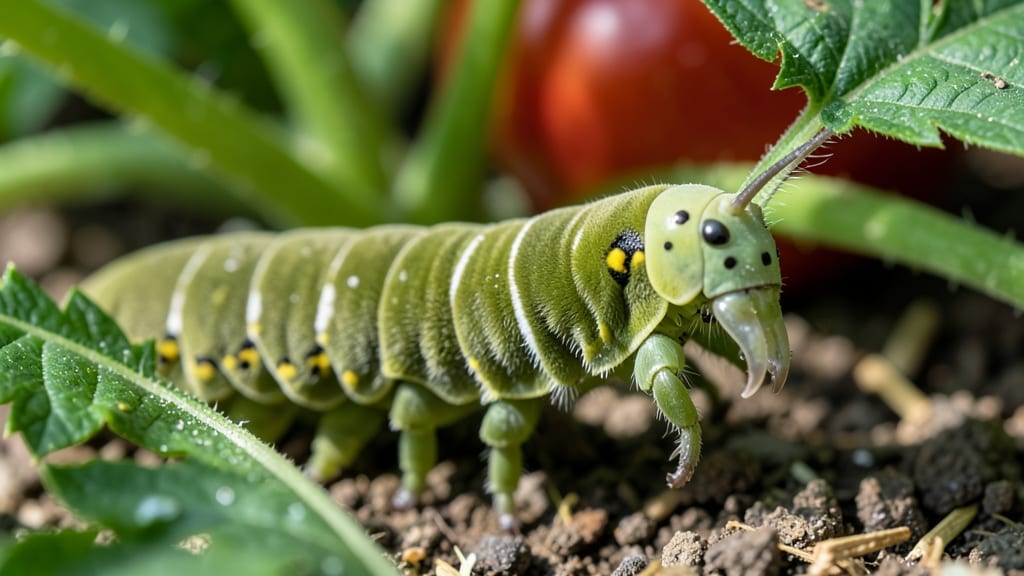
Tomato plants attract the bugs that like tomato plants more than any other vegetable in my garden—aphids, hornworms, and even those tiny whiteflies that turn leaves to lace. 🌱 I’ve lost entire harvests to them, but I’ve also learned which natural deterrents actually work without chemicals.
The key isn’t just spotting the bugs; it’s catching them early when they’re still manageable.
Most damage starts small: chewed leaves, wilting vines, or sticky residue from sap-sucking insects. My first mistake was waiting until the plants were already struggling. Now, I check for signs weekly—yellowing leaves, tiny black frass (hornworm poop), or webs between stems.
The sooner you act, the easier it is to save your tomatoes.
You’ll protect your plants with simple, effective methods: neem oil sprays, row covers, or even planting basil nearby (hornworms hate it). These solutions work fast and won’t harm pollinators or your soil. The best part? Your tomatoes won’t just survive—they’ll thrive with fewer pests next season.
Whether you’re growing in containers or a full backyard plot, these tricks adapt easily. No more helplessly watching your harvest disappear. Let’s get those tomatoes back on track!
The hidden attractants drawing pests
Tomato plants may look like a garden superstar, but their natural allure is a double-edged sword. 🍅✨ While their vibrant flowers and sweet fruit are a feast for humans, they’re also a magnet for pests that see them as a buffet.
Understanding why these critters are drawn to your tomatoes is the first step in outsmarting them. Let’s break down the science behind their obsession.
Tomato plants are packed with nutrients that make them irresistible to hungry insects. Their leaves contain high levels of nitrogen, which is essential for growth—but also a signal to pests like aphids, whiteflies, and hornworms that this is a prime feeding ground.
Additionally, the volatile organic compounds (VOCs) emitted by tomato plants act like a scent trail, alerting pests from afar that a meal is nearby.
💡 Pro Tip: If your plants are over-fertilized with nitrogen, you’re essentially rolling out the welcome mat for pests. Balance your fertilizer with phosphorus and potassium to make your tomatoes less appealing.
Ripe tomatoes are a magnet for fruit-loving pests like hornworms, fruit flies, and stink bugs. The sugars and acids in the fruit provide an energy boost, while the soft flesh is easy to penetrate.
Even unripe tomatoes can attract pests like cutworms, which chew through stems and young fruit.
🔍 Key Insight: Pests aren’t just after the fruit—they’re drawn to the scent of ripening tomatoes. Overripe or damaged tomatoes on the vine release even more attractive odors, accelerating pest invasion.
Stressed or unhealthy tomato plants are like neon signs for pests. When plants are underwatered, overwatered, or nutrient-deficient, their natural defenses weaken, making them easier targets. Pests like spider mites and aphids thrive in dry, dusty conditions, while slugs and snails prefer soft, rotting plant matter.
🌡️ Critical Factor: Poor air circulation (from overcrowded plants) creates a humid microclimate—perfect for fungal diseases and the pests that follow them, like whiteflies and thrips.
Pests don’t just show up randomly—they’re often lured by environmental conditions that align with their life cycles. For example:
- Warm, humid weather boosts the activity of hornworms and beetles, which thrive in heat.
- Dry, windy conditions attract spider mites, which spread faster when humidity drops.
- Nearby weeds or wild plants can serve as pest breeding grounds, spilling over into your tomato patch.
🎯 Actionable Fix: Monitor your garden’s microclimate. Use mulch to retain moisture, prune for airflow, and remove weeds within a 3-foot radius of your tomato plants to break the pest chain.
Natural Ways to Protect Tomatoes
Tomatoes are a magnet for pests, but the good news? You don’t need harsh chemicals to keep them safe. Below are targeted, eco-friendly solutions to tackle the most common tomato plant invaders—from chewers to suckers—along with preventive tips to keep your garden thriving.
Fix: These striped bandits can devour a plant overnight! Here’s how to stop them:
- 🔥 Handpick & Drown
- Scout your plants early in the morning (they’re sluggish then).
- Drop them into a bucket of soapy water—no waste, no chemicals.
- 🍳 Bacillus Thuringiensis (Bt) Spray
- A natural bacterial spray (safe for bees!) that targets caterpillars’ digestive systems.
- Reapply after rain or every 7–10 days.
- 👨🍳 Companion Planting
- Basil, marigolds, or dill repel hornworms with their strong scents.
- Plant near tomatoes or intersperse in rows.
💡 Pro Tip: If you spot droppings (frass) on leaves, act fast—hornworms multiply quickly!
Fix: These tiny pests cluster on undersides of leaves, weakening plants and spreading viruses.
- 🥘 Blast Them Off
- Use a strong stream of water (early morning) to dislodge them.
- Repeat every 2–3 days until gone.
- 🌿 Neem Oil or Insecticidal Soap
- Mix 1 tsp neem oil + 1 tsp mild soap per quart of water, spray directly on pests (avoid blooms).
- Reapply after rain or every 5–7 days.
- 🎯 Introduce Predators
- Ladybugs, lacewings, or parasitic wasps (like Encarsia formosa) eat aphids naturally.
- Buy them online or attract them with dill or fennel in your garden.
✨ Bonus: Yellow sticky traps catch whiteflies—place them near plants to monitor infestations.
Fix: These microscopic pests thrive in hot, dry conditions and drain plant sap, causing stippled leaves.
- 🌡️ Increase Humidity
- Mist plants daily or use a shade cloth (30–50%) to deter mites.
- Mulch with straw or grass clippings to retain moisture.
- 🔪 Spray with Water + Soap
- Mix 1 tbsp castile soap + 1 quart water, spray undersides of leaves.
- Do this every 3–4 days until mites disappear.
- 💪 Release Predatory Mites
- Phytoseiulus persimilis (a beneficial mite) hunts spider mites.
- Order online or find them in garden centers.
🔥 Warning: Avoid overwatering—wet leaves can attract fungal diseases like early blight.
Fix: These sneaky pests sever stems at the base, killing seedlings overnight.
- 🍳 Beer Traps (For Slugs)
- Bury a shallow dish filled with beer near plants—slugs crawl in and drown.
- Refresh every 2–3 days.
- 🔪 Collars for Seedlings
- Wrap cardboard, aluminum foil, or plastic collars around stems to block cutworms.
- Bury 1–2 inches deep for best results.
- 🌿 Diatomaceous Earth (DE)
- Sprinkle food-grade DE around the base of plants (reapply after rain).
- Avoid breathing it in—wear a mask when applying.
💡 Pro Tip: Handpick cutworms at night (they uncurl when disturbed) and drop them in soapy water.
- 🌱 Rotate Crops – Don’t plant tomatoes in the same spot yearly (pests build up in soil).
- 🌿 Mulch Heavily – Straw or grass clippings suppress weeds (which attract pests) and retain moisture.
- 🍅 Prune for Airflow – Remove crowded leaves to reduce humidity (mites and fungi love dampness).
- 🌙 Inspect at Dusk – Many pests (like cutworms) are active after dark—check then!
- 🚫 Avoid Over-Fertilizing – Too much nitrogen = soft, tasty leaves that attract pests.
Final Thought: A healthy tomato plant is your best defense! Strong stems, good airflow, and happy soil make pests less appealing. Combine these natural fixes with consistent monitoring, and you’ll enjoy bountiful, bug-free tomatoes all season. 🍅🌿
Frequently asked questions
What are the most destructive bugs for tomato plants?
Hornworms, aphids, and spider mites cause the most damage. Hornworms chew leaves and fruit overnight, while aphids cluster on new growth, spreading viruses. Spider mites thrive in dry heat, creating stippled leaves. Early detection is key—check undersides of leaves and stems weekly.
How do I tell if my tomato plants have pests?
Look for chewed leaves, sticky residue (honeydew), or tiny webs—classic signs of pests. Hornworm frass (black droppings) on leaves is a dead giveaway. Yellowing leaves or wilting vines often signal aphids or mites. Inspect plants early morning when pests are sluggish.
Can companion planting really keep bugs away?
Yes! Planting basil, marigolds, or nasturtiums near tomatoes repels many pests. Basil confuses hornworms, while marigolds deter aphids with their strong scent. Nasturtiums act as a trap crop, luring pests away from your tomatoes. Try interplanting them for best results.
Is neem oil safe for tomato plants?
When used correctly, yes! Dilute 1 tsp neem oil + 1 tsp mild soap per quart of water and spray only the pests (avoid blooms). Reapply every 5–7 days or after rain. Neem disrupts pests' life cycles but is harmless to humans and pollinators when properly diluted.
What should I do if my tomatoes already have holes?
Act fast! Prune damaged leaves and fruit to stop spread. For hornworms, handpick them and drop them in soapy water. Apply Bacillus thuringiensis (Bt) spray for caterpillars or insecticidal soap for aphids. Focus on keeping remaining fruit healthy—often, new growth recovers quickly.