
Plants
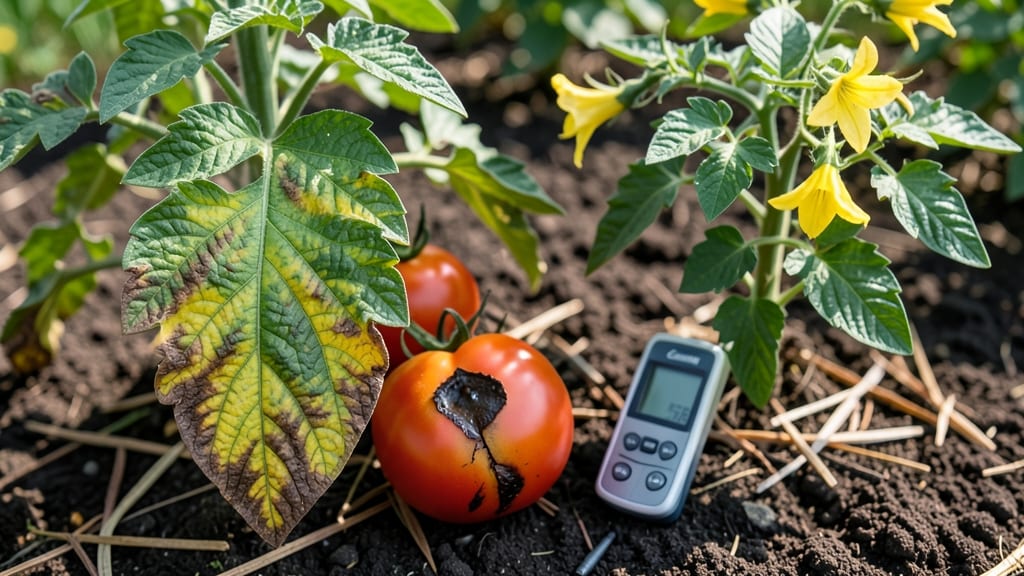
Your tomato plants are screaming for help with curled leaves and rotten blossom ends—this is classic calcium deficiency. 🌱 I've seen this problem ruin entire harvests, but the fix is simpler than you think: crushed eggshells and a few smart watering tweaks.
The culprit is usually soil pH or inconsistent watering, not a lack of calcium in your yard. Most garden soils have plenty of it, but plants can't access it when conditions are off. The eggshell remedy works because it slowly releases calcium in a form plants can use immediately.
Within a week, you'll notice new growth with firm stems and no more curled edges. The blossom-end rot disappears, and your plants start setting fruit like they're in a greenhouse. Best part? This solution costs pennies and uses kitchen scraps.
Works for backyard gardens, containers, and even hydroponic setups. The key is consistency—once you adjust your watering and add those crushed shells, your tomatoes will thank you with bushels of healthy fruit.
Root causes of calcium starvation
When your tomato plants start showing signs of calcium deficiency—like curled leaves, blossom-end rot, or weak stems—it’s rarely a random fluke. The issue almost always stems from one (or more) of these key underlying factors.
Understanding why calcium deficiency strikes helps you fix it fast and prevent future problems. Let’s break down the science behind the struggle.
Calcium is the 15th most abundant element in the Earth’s crust, but that doesn’t mean it’s always accessible to your tomato plants. Here’s why your soil might be holding out:
- Low native calcium levels: Sandy soils, in particular, have minimal calcium reserves because sand particles don’t bind nutrients well. Clay soils can trap calcium, but if they’re too dense, roots struggle to access it.
- High acidity (low pH): Calcium thrives in slightly acidic to neutral soil (pH 6.0–7.0). If your soil is too acidic (<5.5), calcium becomes locked up and unavailable. Think of it like a vault with a pH-controlled door—your plants can’t crack it open.
- Competing nutrients: Excessive potassium or magnesium can outcompete calcium for root uptake. This is common in soils heavily fertilized with banana peels (potassium-rich) or Epsom salt (magnesium-heavy).
Pro Tip: Test your soil’s pH and nutrient levels with a DIY soil test kit (or send a sample to a lab). If calcium is low, amend with gypsum (calcium sulfate)—it’s slow-release and won’t alter pH.
Calcium moves passively through plant tissues via the transpiration stream—the same process that pulls water from roots to leaves. When water management goes wrong, calcium gets left behind. Here’s how:
- Inconsistent watering: Tomato roots need steady moisture to absorb calcium efficiently. Drought stress or uneven watering causes roots to shut down temporarily, halting calcium uptake. Even a single day of wilting can trigger deficiency symptoms.
- Overhead watering: Wet leaves + hot sun = leaf burn. Calcium is lost through leaf surfaces when water evaporates too quickly. This is why blossom-end rot (a classic calcium deficiency symptom) often appears on the bottom fruit—the oldest, most stressed part of the plant.
- Cold soil temperatures: Below 55°F (13°C), tomato roots slow down dramatically. Calcium uptake drops by up to 50% in chilly conditions. If you’re growing in early spring or fall, this is a major culprit.
Quick Fix: Water deeply at the base of plants (use drip irrigation or soaker hoses) and keep soil consistently moist. Mulch with straw to retain moisture and stabilize temperatures.
Tomatoes are hungry growers, especially when they’re flowering and fruiting. If your plant is putting on too much growth too fast, it can’t keep up with calcium demand. Here’s why this happens:
- Excess nitrogen fertilization: Nitrogen fuels leafy growth, but it doesn’t help with calcium absorption. A soil test with high nitrogen (N) but low calcium (Ca) is a recipe for deficiency. Look for dark green leaves with weak stems—a classic nitrogen overload sign.
- Overcrowded plants: When tomatoes compete for space, roots become stunted, reducing their ability to absorb calcium. This is why pruning side shoots and spacing plants 18–24 inches apart matters.
- Sudden growth spurts: After a cool snap or drought, tomatoes can explode in growth when conditions improve. The plant’s vascular system can’t deliver enough calcium fast enough, leading to blossom-end rot within days.
Growth Hack: Balance your fertilizer with a 20-20-20 or 10-10-10 NPK ratio (equal parts nitrogen, phosphorus, potassium). Avoid "green-up" fertilizers that are heavy on nitrogen alone.
Sometimes, the problem isn’t a lack of calcium—it’s too much of something else blocking its uptake. These soil chemistry quirks are sneaky but fixable:
- High sodium or chloride levels: Salty soil (from irrigation water, road runoff, or over-fertilization) disrupts calcium absorption. Sodium ions compete directly with calcium, while chloride can bind to calcium, making it unusable.
- Excessive phosphorus: While phosphorus is essential, too much (from bone meal or superphosphate) can precipitate calcium into insoluble forms. This is common in container gardens where fertilizer builds up over time.
- Aluminum or manganese toxicity: In acidic soils, these metals become soluble and block root calcium channels. Even if calcium is present, the roots can’t take it up.
Soil Rescue: Flush the soil with chelated calcium (like calcium nitrate) or amend with lime (to raise pH and reduce aluminum/manganese solubility). For containers, repot with fresh, balanced potting mix.
Now that you know the real reasons behind calcium deficiency, you’re equipped to tackle the root cause—literally. Next up, we’ll dive into how to diagnose these issues in your own garden and quick fixes to get your tomatoes back on track.
Quick Fixes for Weak Tomato Growth
Calcium deficiency in tomato plants can be frustrating, but the good news is that most issues can be resolved with simple, natural solutions. The key is identifying the root cause—whether it’s poor soil health, improper watering, or environmental stress—and addressing it directly.
Below, we’ve mapped out practical fixes for common triggers, along with prevention tips to keep your tomatoes thriving.
If your soil lacks calcium, your plants will struggle to absorb enough, even if you’re watering correctly. Here’s how to boost calcium naturally:
- 🔥 Use Eggshells (The Ultimate Remedy) Eggshells are packed with calcium carbonate, making them a free and effective solution. - How to prepare: Crush dried eggshells into a fine powder (bake them at 200°F for 10 minutes to sterilize). - How to apply: Mix 1–2 tablespoons of powder into the soil around the base of the plant or sprinkle it directly on the soil surface.
Lightly water to help it dissolve. - Frequency: Repeat every 2–4 weeks during the growing season.
- 🍳 Add Calcium-Rich Amendments If eggshells aren’t enough, try these soil boosters:
- Crushed limestone or oyster shell (slow-release calcium).
- Bone meal (provides calcium + phosphorus, but use sparingly—it’s high in nitrogen).
- Gypsum (calcium sulfate) – Safe for all soil types and improves soil structure.
- 👨🍳 Apply Calcium Sprays (For Fast Relief) For severe deficiency, a foliar spray can give plants an immediate calcium boost.
- Mix 1 tablespoon of calcium nitrate or calcium chloride in 1 gallon of water.
- Spray leaves early in the morning or late afternoon to avoid leaf burn.
- Repeat every 7–10 days until symptoms improve.
Overwatering or inconsistent moisture levels can wash away calcium before roots absorb it. Tomatoes need steady, deep watering—not sporadic soaking.
- 🥘 Water Deeply and Infrequently
- Water 1–2 inches per week, ensuring moisture reaches 6–12 inches deep.
- Use drip irrigation or soaker hoses to deliver water directly to the roots (avoids leaf wetness, which can spread disease).
- Morning watering is best—it reduces evaporation and fungal risks.
- 🌡️ Avoid Temperature Swings Calcium uptake drops in hot or cold extremes. If your garden experiences sudden temperature shifts:
- Mulch heavily (straw or wood chips) to regulate soil temperature.
- Provide shade cloth during heatwaves if growing in hot climates.
Compacted or waterlogged soil starves roots of oxygen and calcium. Test your soil’s pH—tomatoes thrive in slightly acidic to neutral soil (6.0–6.8).
- ✨ Loosen Soil for Better Root Access
- Mix compost or aged manure into the top 6–12 inches of soil before planting.
- Avoid tilling when soil is wet—it compacts further. Instead, hand-aerate with a garden fork.
- 📊 Adjust pH if Needed
- Too acidic (below 6.0)? Add lime or wood ash to raise pH.
- Too alkaline (above 7.0)? Mix in sulfur or peat moss to lower pH.
Once you’ve treated the issue, keep these proactive tips in mind to prevent recurrence:
- 💡 Rotate Crops – Avoid planting tomatoes (or other heavy calcium users like peppers and eggplants) in the same spot yearly.
- 🔥 Companion Planting – Grow basil, marigolds, or borage nearby—they improve soil health and deter pests.
- 🌡️ Monitor Weather Stress – Use row covers in early spring to protect young plants from cold snaps.
- 🎯 Test Soil Annually – A simple home soil test kit ($10–$20) can reveal calcium and pH levels before problems start.
By tackling the root cause—whether it’s low calcium, poor watering, or stressed soil—your tomato plants should bounce back within 2–4 weeks. For persistent issues, consider a soil test from your local extension office for a tailored solution. Happy growing! 🍅✨
Frequently asked questions about tomato calcium deficiency
Why do my tomato plants get calcium deficiency even when I use compost?
Compost provides nutrients, but calcium needs specific conditions to be available. Sandy soils or acidic conditions (below pH 6.0) lock up calcium, making it unusable. Even with compost, inconsistent watering or cold soil (<55°F) can prevent roots from absorbing enough calcium. Try adding crushed eggshells or gypsum alongside your compost.
How quickly should I see results after fixing calcium deficiency?
With proper treatment, you'll notice improvements in 7-14 days. New growth should appear firmer, and blossom-end rot won't develop on new fruit. For severe cases, it may take up to 3-4 weeks to see complete recovery, especially if roots were damaged. Monitor your plants' water needs closely during this time.
Can I use coffee grounds to fix calcium deficiency?
Coffee grounds actually lower soil pH, which can make calcium deficiency worse by locking up calcium. Instead, use calcium-rich amendments like eggshells, crushed limestone, or bone meal. If you want to use coffee grounds, mix them with lime to balance the pH first.
What's the difference between calcium deficiency and magnesium deficiency?
Calcium deficiency shows as blossom-end rot and curled leaves, while magnesium deficiency causes yellowing between leaf veins (interveinal chlorosis). Both affect tomato plants, but magnesium issues appear first on older leaves, while calcium problems start at the plant's growing tips. Epsom salt helps magnesium, but calcium needs eggshells or lime.
Will calcium deficiency affect my tomato flavor?
Yes! While calcium deficiency primarily causes physical symptoms, it can also reduce fruit quality. Affected tomatoes may have thinner walls, lower sugar content, and less vibrant color. Fixing the deficiency early helps maintain both yield and flavor. The good news is that once calcium levels stabilize, your tomatoes should regain their sweet, rich taste.