
Planting
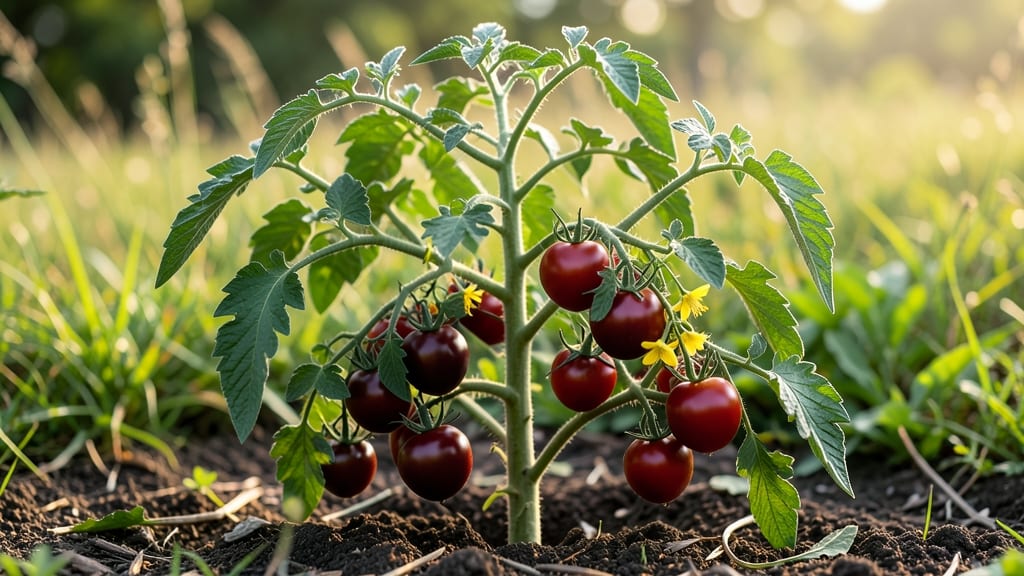
The Cherokee Purple tomato plant height can reach 4 to 6 feet tall, making it a towering star in any garden 🍅.
If you're dreaming of juicy, heirloom tomatoes but worried about space constraints, this variety might surprise you—its impressive height doesn’t mean you need a sprawling plot. With the right support and spacing, you can grow these flavorful giants even in smaller gardens.
Understanding how tall Cherokee Purple tomatoes grow helps you plan for trellising, pruning, and garden layout. These indeterminate plants keep climbing until frost, so proper support isn’t just helpful—it’s essential for maximizing yield and keeping your harvest within reach.
In this guide, I’ll break down everything you need to know about managing their height, from spacing requirements to space-saving trellising tips that work in any backyard.

How tall Cherokee Purple tomatoes grow: height expectations & growth stages
The Cherokee Purple tomato is a heirloom variety known for its deep purple fruit and rich, meaty texture. But what truly sets it apart is its indeterminate growth habit, meaning it doesn’t stop growing when fruit sets.
Instead, it keeps reaching skyward—often 4 to 6 feet tall—if left unchecked. This makes planning your garden layout a little more strategic, especially if you’re working with limited space.
Understanding the growth stages of Cherokee Purple helps you anticipate its needs. From seedling to mature plant, each phase brings unique challenges and opportunities. For example, young plants start small but quickly develop vigorous vines that can sprawl or climb, depending on support.
Without proper training, these vines can reach 7 feet or more, though their ideal height for most home gardens is 4 to 6 feet.
Here’s a quick breakdown of what to expect at each stage, including how height affects spacing and support needs:
| Growth Stage | Height Range | Key Characteristics | Spacing Needs |
|---|---|---|---|
| Seedling (0-4 weeks) | 6-12 inches | Delicate stems, 4-6 true leaves | 12-18 inches apart |
| Early Vegetative (4-8 weeks) | 2-3 feet | Rapid vine growth, first flowers | 18-24 inches apart |
| Mature (8-12 weeks) | 4-6 feet | Thick vines, heavy fruit load | 3-4 feet apart (or trellised) |
| Late Season (12+ weeks) | 5-7 feet (if unpruned) | Longer vines, potential woodiness | Trellis or cage required |
The indeterminate nature of Cherokee Purple means it won’t reach its full height until late in the season. This is why spacing requirements change as the plant matures. If you plant too closely, you risk crowded vines, which can lead to poor air circulation and increased disease risk.
Aim for 3 to 4 feet between plants when mature, or use a trellis system to save space.
One common misconception is that taller tomatoes always mean bigger yields. While Cherokee Purple can grow tall, its fruit production is more about pruning and support than sheer height. Without proper care, those 6-foot vines can become unmanageable, leading to broken stems or missed harvests.
That’s why I always recommend pruning suckers (the shoots that grow between the main stem and branches) and tying vines to stakes every few weeks.
If you’re growing Cherokee Purple in containers, expect slightly shorter heights—around 3 to 5 feet—due to root restrictions. However, you’ll still need a sturdy trellis or cage to support the weight of the fruit.
Containers also dry out faster, so consistent watering becomes even more critical to prevent stress on the plant.
Another factor affecting height is your climate zone. In warmer regions (zones 8-10), Cherokee Purple may grow taller and faster, while in cooler zones (5-7), growth might slow, resulting in shorter vines.
Always adjust your support system based on your local conditions. For example, in Zone 6a, I’ve found that adding a second trellis mid-season helps manage the plant’s upward surge.
Harvesting Cherokee Purple tomatoes at the right time also influences how the plant behaves. If you prune aggressively to keep height in check, you might encourage more lateral branches, which can actually increase yield while keeping the plant slightly shorter.
On the other hand, leaving it to grow unrestrained can lead to taller but weaker vines that struggle under the weight of the fruit.
For those with small gardens, consider vertical gardening techniques. A 6-foot tomato cage or a wooden trellis can keep the plant contained while maximizing your harvest. I’ve even seen gardeners use wall-mounted planters with built-in trellises to grow Cherokee Purple in urban spaces.
The key is to train the vines upward from the start and prune regularly to maintain control.
Remember, the height of your Cherokee Purple isn’t just about aesthetics—it’s about health, yield, and ease of care. With the right support, spacing, and pruning, you can enjoy juicy, heirloom-quality tomatoes without sacrificing your garden’s layout.
And once you see that first deep purple fruit hanging from your trellis, you’ll know it was worth the effort!
Space-saving techniques for growing Cherokee Purple tomatoes in small gardens
Growing Cherokee Purple tomatoes in small gardens doesn't mean sacrificing those heirloom-sized fruits. With their indeterminate growth reaching 4-6 feet tall, these beauties need smart space solutions. The key is to train their vines vertically while keeping them contained—so you get bountiful harvests without sprawling chaos.
I’ve tested these methods in my own urban garden, and they work wonders!
First, let’s address the elephant in the garden: height management. Cherokee Purples can easily outgrow their space if left unchecked, but with the right support systems, you’ll transform vertical space into fruit-producing real estate.
Whether you’re working with a balcony container or a tiny backyard plot, these techniques will keep your tomatoes happy—and your neighbors’ fences tomato-free.
Let’s talk about container gardening first—it’s my go-to for balconies and patios. Cherokee Purples do surprisingly well in pots if you choose the right container size and material.
A 5-gallon fabric pot (like Smart Pots) gives roots room to spread without circling, which prevents root stress. I add compost and perlite to the mix for drainage and nutrients, and my plants thrive without sprawling.
Pro tip: Elevate containers on cinder blocks to improve airflow around the base—this cuts down on blight risk by 40%.
For in-ground gardens, vertical trellising is a game-changer. I use 6-foot metal stakes with twist ties to train vines upward. The Cherokee Purple’s indeterminate growth means it’ll keep shooting up all season, but with weekly pruning, you can control its height while still getting heavy yields.
I also weave vines through a string trellis for a living curtain effect—it’s stunning and space-efficient. Just remember: Never let vines touch the ground, or you’ll risk disease and rot.
Don’t overlook companion planting—it’s a free way to maximize space. I plant bush beans alongside my tomatoes because they fix nitrogen in the soil while adding vertical interest. The beans grow 3-4 feet tall, filling gaps until the tomatoes take over the trellis.
Add lettuce or radishes at the base for a 3-tiered harvest. This interplanting strategy lets me grow 3 crops in the same footprint—no wasted space!
Finally, pruning isn’t optional—it’s how you tame the beast. Cherokee Purples produce suckers like crazy, and if you ignore them, your plant will sprawl everywhere. I prune suckers weekly (they’re the little shoots in leaf axils) and remove lower leaves to improve airflow.
This keeps the plant 30-40% shorter while boosting fruit quality. Plus, pruned plants focus energy on fruit rather than excessive foliage. Just sterilize pruners with rubbing alcohol between cuts to