
Planting
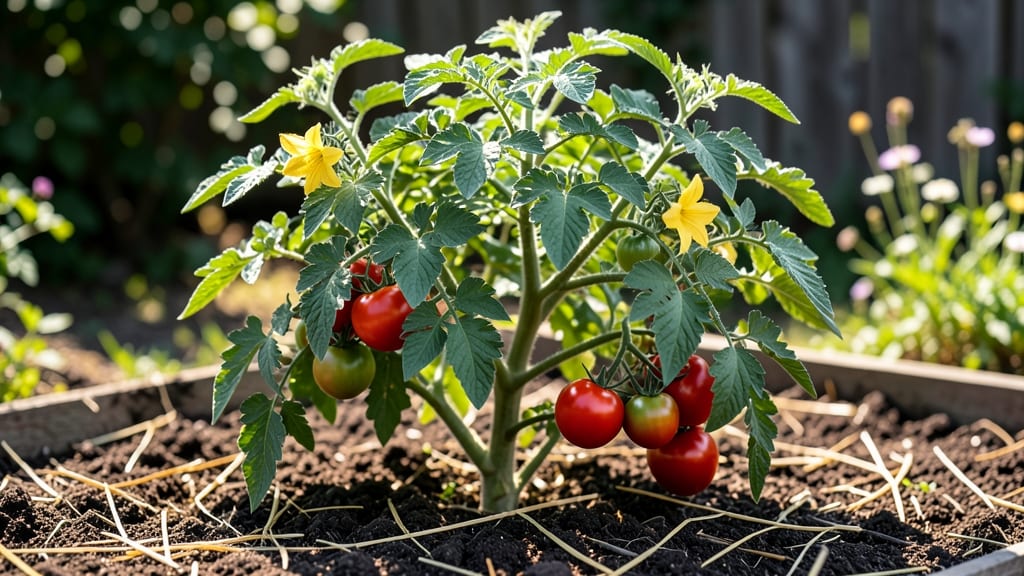
The Husky Cherry Red tomato plant height stays surprisingly compact, topping out at just 2–4 feet—ideal for small gardens, balconies, or even containers.
If you love the sweet, tangy flavor of Husky Cherry Red tomatoes but worry about limited garden space, understanding their growth patterns is your first step to a bountiful harvest—without sacrificing your patio or balcony.
Unlike towering indeterminate varieties that need cages or stakes, this determinate type grows in a neat, bushy shape, making it perfect for space-saving setups. That means fewer supports and more room for other plants or even a cozy seating area.
Below, I’ll break down how to maximize their height (or keep them in check), the best spacing for outdoor beds, and simple pruning tricks to boost yield—so you get the most fruit from every square foot.

Husky Cherry Red tomato plant height: expected growth stages & compact vine characteristics
The Husky Cherry Red tomato is a determinate variety, meaning it grows to a predictable height of 12-24 inches at maturity—ideal for small gardens, containers, or balconies. Unlike its indeterminate cousins, these plants stop growing once they flower, making them perfect for space-conscious gardeners.
Understanding their growth stages helps you plan spacing, support, and harvest timing for maximum yield in minimal space.
From seedling to harvest, the Husky Cherry Red undergoes three distinct growth phases: vegetative (leafy growth), flowering, and fruiting. Each phase impacts the plant’s height, leaf spread, and root depth, which directly influences how you’ll need to prune, stake, or containerize your plants.
Let’s break down what to expect at each stage and how these compact vines differ from other tomato varieties.
| Growth Stage | Height Range | Leaf Spread | Root Depth | Key Characteristics |
|---|---|---|---|---|
| Seedling (0-3 weeks) | 2-6 inches | 4-8 inches | 2-4 inches | Delicate stems; focus on leaf growth before transplanting. |
| Vegetative (3-6 weeks) | 6-12 inches | 12-18 inches | 6-12 inches | Bushy growth; stake or cage at 6 inches tall to prevent flopping. |
| Flowering (6-8 weeks) | 12-18 inches | 18-24 inches | 12-18 inches | Determinate habit—growth slows as flowers set fruit. |
| Fruiting (8-10 weeks) | 12-24 inches | 24-30 inches | 18-24 inches | Compact bush; prune lower leaves to improve airflow and fruit access. |
| Mature (10-12 weeks) | 12-24 inches | 24-36 inches | 24+ inches | Self-supporting; no further height growth—ideal for 5-gallon containers. |
Compared to indeterminate cherry tomatoes, like 'Sweet 100,' which can grow 6+ feet tall and require constant pruning, the Husky Cherry Red’s compact vine structure is a game-changer for small spaces.
Its determinate growth habit means you’ll harvest all fruit at once, typically within a 2-3 week window, so plan for canning, freezing, or sharing with neighbors! The plant’s root depth of 18-24 inches at maturity also means it thrives in deep containers or in-ground beds with well-draining soil.
One of the biggest advantages of this variety is its leaf spread, which reaches 24-36 inches wide by maturity. This means you’ll need to space plants 18-24 inches apart in rows or 12-18 inches apart in containers to prevent overcrowding and disease.
If you’re growing in containers or vertical gardens, this width becomes less of an issue, but don’t skimp on container size—aim for at least 5 gallons per plant to accommodate those deep roots.
The Husky Cherry Red’s growth stages align perfectly with its harvest window, which typically begins 60-70 days after transplanting. During the vegetative stage, focus on watering deeply and fertilizing lightly to encourage strong root and stem development.
Once flowers appear, switch to a low-nitrogen, high-phosphorus fertilizer to boost flowering and fruiting. This variety’s compact height also makes it easier to hand-pollinate if you notice poor fruit set—just gently shake the plants on a sunny morning.
If you’re comparing the Husky Cherry Red to other cherry tomato varieties, you’ll find it’s one of the most space-efficient options.
For example, the 'Tiny Tim' tomato stays under 18 inches tall but produces smaller fruit, while the 'Sun Gold' (indeterminate) can reach 4-5 feet tall and requires trellising.
The Husky Cherry Red strikes a balance between size and yield, producing 200-400 cherry tomatoes per plant in a tight footprint. This makes it ideal for balcony gardens, raised beds, or even windowsill growing with proper light.
To maximize your Husky Cherry Red’s potential, pay attention to its vine structure. Unlike indeterminate varieties, these plants don’t need topping or aggressive pruning, but you can pinch suckers (side shoots) to improve airflow and reduce disease risk. The plant’s natural bushiness means it often self-supports
Space-saving techniques for growing Husky Cherry Red tomatoes in small gardens
Husky Cherry Red tomatoes are perfect for small spaces because their compact vines typically reach just 12-24 inches at maturity. Unlike their sprawling indeterminate cousins, these determinate varieties grow in neat bushes, making them ideal for containers, balconies, and tight garden beds.
With the right techniques, you can maximize your yield without sacrificing space for other plants.
One of my favorite space-saving tricks is using vertical gardening. Since Husky Cherry Reds grow upright, they’re perfect for trellises, cages, or even DIY stakes. This not only saves floor space but also improves air circulation around the foliage, reducing the risk of fungal diseases like blight.
Plus, vertical growth keeps the fruit off the ground, where pests and rot are less likely to strike.
- 🌱 Trellis Height: 2-3 ft (match plant height)
- 🪴 Container Size: Minimum 5-gallon pots (bigger = more yield)
- ✂️ Pruning Tip: Pinch suckers below first flower cluster
- 🌿 Companion Plants: Basil, marigolds, or lettuce (shade-tolerant)
- 💧 Watering Hack: Drip irrigation for consistent moisture
For urban gardeners, container gardening is a game-changer. A single 5-gallon pot can produce 5-10 pounds of Husky Cherry Reds if given proper care. I recommend using lightweight, breathable fabric pots to prevent root circling and improve drainage.
Add a time-release fertilizer at planting and top-dress with compost every 4-6 weeks to keep nutrients flowing.
Pruning is another key to controlling height and encouraging bushier growth. Since Husky Cherry Reds are determinate, they don’t need aggressive pruning, but removing suckers (side shoots) below the first flower cluster can redirect energy to fruit production.
I also recommend trimming lower leaves to improve airflow and reduce disease risk. Just be gentle—you don’t want to stress the plant during its peak fruiting phase.
Companion planting can work wonders in small gardens. Pair your Husky Cherry Reds with basil or marigolds to repel pests like aphids and whiteflies. For shade-loving companions, try lettuce or spinach planted at the base of your tomatoes.
This not only optimizes space but also improves soil health as the shallow roots of companions won’t compete with the tomatoes’ deeper root systems.
Don’t overlook DIY support structures for urban growers. A simple PVC pipe trellis or a repurposed ladder wrapped in twine can provide sturdy support without breaking the bank. Just ensure the structure is stable and tall enough to accommodate the plant’s mature height.
With these techniques, even a balcony or windowsill can become a productive tomato patch!