
Picking
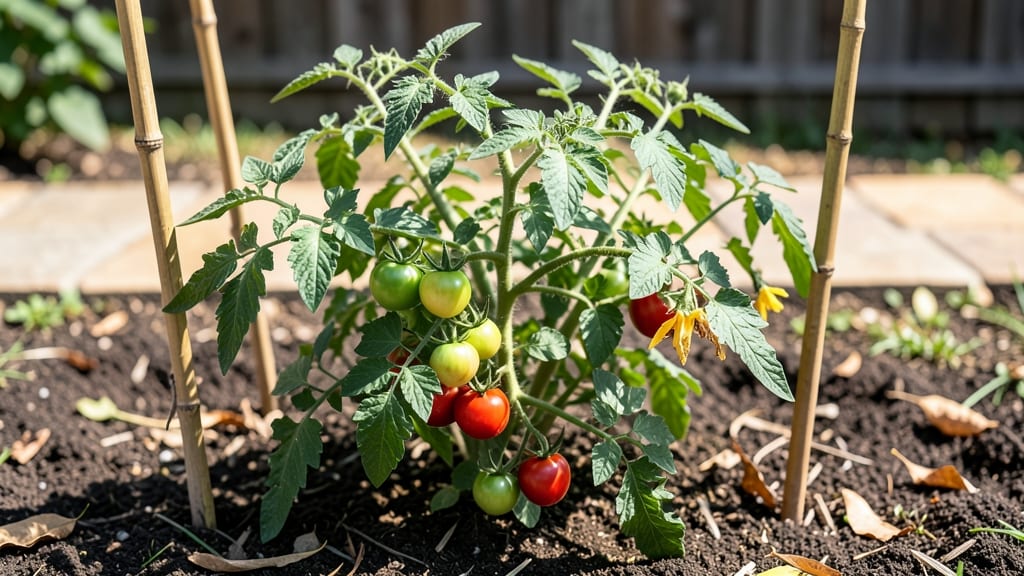
Your cherry tomato ripening stages go from green to jewel-toned perfection in stages most people miss—until they try this color-coded approach. 🌱 I used to pick them too early, sacrificing sweetness for quantity, but now I wait for the exact moment when flavor peaks and the vine stops feeding them energy.
The ripening process starts with pale green fruit that's still firm and hard—this is the "not ready" stage. As they mature, they turn light pink (still crisp inside) and finally deep red (fully sweet, with a slight give).
Overripe tomatoes turn mushy and mealy, but the best flavor comes just before that point.
Sunlight, temperature, and water all control how fast they ripen—too much shade slows things down, while heat waves can cause uneven coloring. I've found that morning harvests yield the sweetest tomatoes because they've had all night to develop sugars.
Uneven ripening? It's usually a watering issue—consistent moisture keeps all fruit maturing together. Now go check those vines—you'll know exactly when to pick for that perfect burst of flavor.
📚 In This Guide
- What you need
- Instructions
- Tips and common mistakes
- Wrapping up and next steps
What you need
- ● Cherry tomato plants – Choose disease-resistant varieties (e.g., 'Sweet 100,' 'Sun Gold,' or 'Black Cherry'). Quantity: 2–5 plants for home gardens.
- ○ Potting soil or garden bed – Well-draining, nutrient-rich mix (pH 6.0–6.8). Optional: Add compost or aged manure for extra fertility.
- ● Support structures – Cages, stakes, or trellises (6–8 ft tall) to keep vines upright.
- ● Fertilizer – Balanced, organic fertilizer (e.g., 10-10-10) or tomato-specific feed. Apply every 3–4 weeks.
- ● Pruning shears – Sharp, clean shears for harvesting and trimming suckers.
- ● Gloves – Lightweight gardening gloves to protect hands from thorns.
- ● Harvest basket or tray – Soft-sided container to prevent bruising tomatoes.
- ○ Color chart (optional) – Print or use a ripening stage guide to compare tomato hues.
- ● Sunlight – 6–8+ hours of full sun daily (cherry tomatoes are sun-worshippers!).
- ● Water – 1–1.5 inches per week (drip irrigation or soaker hoses work best). Avoid wetting leaves to prevent disease.
- ● Temperature – Ideal range: 70–85°F (21–29°C). Below 50°F (10°C) stunts growth.
How to identify and harvest cherry tomatoes at peak flavor
Here's how I've learned to spot the exact moment each tomato reaches its flavor zenith—no guesswork, just science and sensory cues.
🌿 Step 1: Understand the Color-Coded Ripening Spectrum
Cherry tomatoes progress through five distinct color stages, each signaling a different flavor and texture profile. The first stage is green—this is the immature fruit, hard and acidic, with high levels of chlorophyll that mask sweetness. As they mature, they transition to light green/yellow, then orange, followed by pink, and finally deep red. The deeper the red pigment, the more lycopene (the antioxidant responsible for that vibrant color) and the sweeter the flavor.
I always harvest at least one tomato from each color stage to compare flavors. The orange and pink stages often surprise me—they're sweeter than fully red tomatoes but less acidic than green ones. This is when I pick for salads or fresh eating. For sauces, I wait for deep red when the sugar content peaks.
☀️ Step 2: Check for Physical Ripeness Cues Beyond Color
Color alone isn't enough—you need to feel the tomato too. A perfectly ripe cherry tomato will yield slightly when gently squeezed (like a ripe avocado). If it's rock-hard, it's not ready; if it's mushy, it's overripe. The stem end should also show subtle changes: the calyx (the green leafy bit where the stem attaches) will start to dry out and pull away from the fruit as it matures.
Here's the trick I use: I pick a cluster of tomatoes at different stages and let them ripen on the counter. The ones that ripen fastest are the ones I'll harvest first next season—they're the sweetest varieties. I avoid harvesting when the temperature drops below 55°F at night, as cold slows ripening and can cause uneven color development.
⏰ Step 3: Time Your Harvests for Optimal Flavor Development
Cherry tomatoes ripen fastest in full sun with temperatures between 70-85°F during the day. In hotter climates, they can go from green to red in 7-10 days, while cooler regions may take 14-21 days. I harvest in the early morning when the fruit is coolest and flavors are most concentrated. This also prevents sunscald, which turns exposed areas white and mealy.
Don't wait until every tomato on the vine is red—peak production means some will ripen faster than others. I pick every other day during the main harvest season (late summer to early fall) to ensure I catch them at their sweetest. Overripe tomatoes split easily, so I check the vines daily once the first red ones appear.
🌱 Step 4: Store and Use Based on Ripeness Stage
Green or light green tomatoes can be left on the vine to ripen further, but never refrigerate them—the cold converts starches to sugars unevenly, resulting in uneven texture and flavor. Instead, I store them at room temperature (around 70°F) in a paper bag with a banana or apple to speed up ethylene production (the natural ripening hormone).
For orange and pink tomatoes, I use them within 2-3 days for fresh eating or salads. Fully red tomatoes can last 5-7 days on the counter but develop better flavor when used immediately. I always taste-test a few before committing to a recipe—some years, the heat wave produces sweeter tomatoes than others, and I adjust my cooking plans accordingly.
✂️ Step 5: Prune for Continuous Harvests and Better Flavor
To extend your harvest season, prune suckers (the small shoots that grow between the main stem and branches) weekly once the plant is established. This redirects the plant's energy toward fruit production rather than leaf growth. I also remove any yellowing or diseased leaves immediately—they can harbor pests and diseases that spread to the fruit.
Here's a pro tip: Pinch off the first flower cluster when the plant is still young. This encourages stronger root and stem development before the main harvest begins. The trade-off is a slightly later first harvest, but the tomatoes that follow are larger, sweeter, and more abundant. I've found that plants with 3-4 main stems produce the most flavorful fruit because they're less stressed by competing for resources.
Tips & tricks for mastering cherry tomato ripening
These insider secrets will help you turn your tomato harvest into a flavor explosion—every time.
Color Accuracy Matters: Use natural daylight when checking color stages—artificial light can distort hues. I hold tomatoes against a white background to spot subtle color shifts. The transition from pink to deep red is where lycopene peaks, creating that signature sweetness. For a quick test, cut one tomato from each stage lengthwise—the deeper red flesh indicates higher sugar content and better flavor.
Temperature is Everything: The 70-85°F daytime range is critical for optimal ripening. If your mornings dip below 55°F, your tomatoes will take longer to develop color and flavor. I've found that using black plastic mulch around plants raises soil temperature by 5-10°F, accelerating ripening. This is especially helpful in cooler climates where tomatoes struggle to reach full sweetness.
Harvest Timing Secret: The early morning harvest is non-negotiable for peak flavor. Tomatoes are coolest then, preventing sunscald and preserving their natural sweetness. I also check for the "shoulder test"—when a tomato yields slightly at the stem end but still holds its shape. This is your perfect window between firmness and overripeness, where the flavor is at its zenith.
Storage Strategy: Never refrigerate green or light green tomatoes—the cold disrupts their natural sugar conversion. Instead, place them in a paper bag with an apple or banana to generate ethylene gas, which speeds up ripening. For orange and pink tomatoes, I store them at 70°F for 2-3 days maximum to maintain their delicate balance of sweetness and acidity. Fully red tomatoes can last 5-7 days on the counter, but their flavor intensifies when used immediately.
Pro Tips for Cherry Tomato Ripening Stages
- These insider secrets will help you turn your tomato harvest into a flavor explosion—every time.
- Color Accuracy Matters: Use natural daylight when checking color stages—artificial light can distort hues.
- Temperature is Everything: The 70-85°F daytime range is critical for optimal ripening.
Frequently asked questions
Got questions about cherry tomato ripening? You’re not alone! Here are answers to the most common queries to help you pick at peak perfection.
How long does it take for cherry tomatoes to ripen after flowering?
Cherry tomatoes typically take 50–70 days to ripen after flowering, depending on the variety and growing conditions. Early varieties may ripen faster (40–50 days), while heirlooms can take longer. Warmth and sunlight speed up the process—aim for 60–85°F (15–29°C) for optimal ripening.
Can I speed up the ripening process for unripe cherry tomatoes?
Yes! Place them in a paper bag with a ripe banana or apple (ethylene gas speeds ripening). Store them at room temperature (not the fridge) and check daily. Avoid refrigeration—it slows ripening and dulls flavor. For outdoor plants, ensure full sun (6–8 hours/day) and consistent watering.
What if my cherry tomatoes turn white or stay green?
White or pale tomatoes often signal blossom end rot (calcium deficiency) or poor pollination. Boost calcium with crushed eggshells or compost. For green tomatoes, check for underripe fruit (harvest early and ripen indoors) or cold stress (protect plants from frost). Yellowing leaves? It’s likely a nutrient issue—try balanced fertilizer.
Can I eat cherry tomatoes that aren’t fully red?
Green or yellow cherry tomatoes are safe and nutritious—just less sweet. They’re great for salsa verde, salads, or cooking. For best flavor, wait for deep red, orange, or yellow hues (peak ripeness). If you need them fast, harvest at breaker stage (first color change) and ripen indoors.
How do I store cherry tomatoes to keep them fresh longer?
Store unripe tomatoes at room temp in a paper bag (not plastic) to ripen. Once ripe, keep them in the fridge for 3–5 days (separate from ethylene-sensitive produce like apples). For longer shelf life, freeze them whole (thaw for cooking) or use them in sauces, soups, or drying. Avoid washing until ready to eat!
Wrapping up and next steps
Understanding the cherry tomato ripening stages ensures you pick the perfect, flavor-packed tomatoes every time—whether you’re growing them at home or shopping at the market! 🌱 From green to deep red, each hue signals a unique taste and texture, so you’ll never miss the ideal moment.
Now that you’re a pro, why not experiment with your harvest? Try making a fresh salad, sun-dried tomatoes, or even homemade salsa to savor the rewards of your knowledge!