
How To
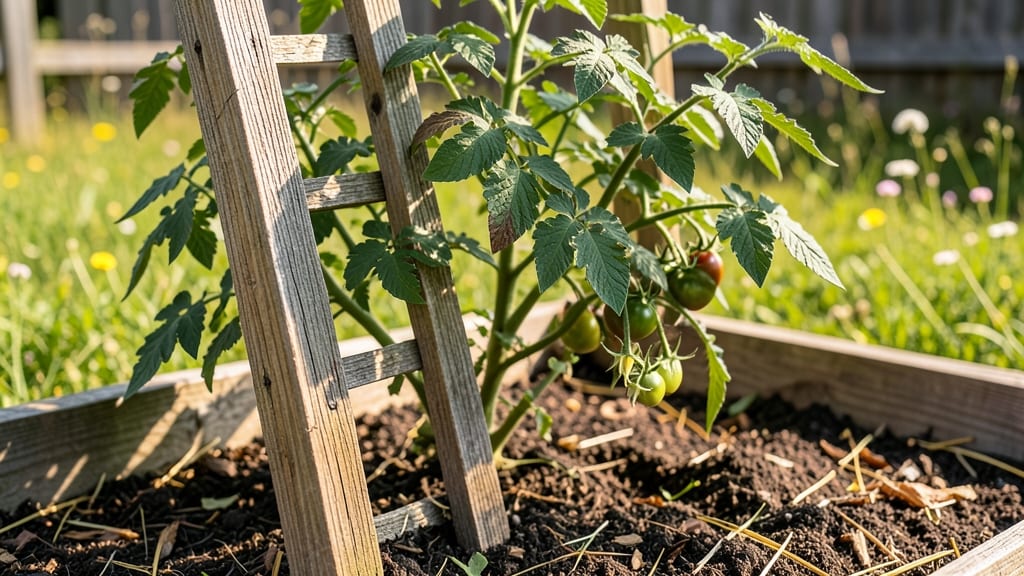
Choosing between determinate and indeterminate chocolate cherry tomato varieties depends on your garden space and harvest goals, as determinate plants produce compact clusters while indeterminate vines yield continuously over a longer season.
Determinate chocolate cherry tomatoes thrive as compact bush plants, perfect for small spaces or container gardening, since they reach maturity quickly and produce fruit all at once. 🌱 In contrast, indeterminate varieties grow as sprawling vines that keep producing tomatoes throughout the growing season, making them ideal for larger gardens or trellises.
The key difference lies in their growth patterns—determinate plants stop growing once they flower, while indeterminate ones continue climbing and fruiting until frost.
For continuous harvests, indeterminate types like 'Chocolate Cherry' or 'Black Cherry' are excellent choices, whereas determinate varieties such as 'Patio Princess' deliver a single massive yield in a shorter window.
If you're working with limited space, determinate plants are your best bet—they stay neat and manageable, while indeterminate vines may require staking or pruning to control their spread. 💫 For flavor enthusiasts, both types offer rich, sweet chocolatey notes, but indeterminate varieties often develop deeper flavors as the season progresses.
Consider your garden layout and how often you want to pick tomatoes when making your choice!
💡 In This Article
- How Determinate vs Indeterminate Chocolate Cherry Tomato Vines Grow
- Best Chocolate Cherry Tomato Varieties by Growth Habit
How determinate vs indeterminate chocolate cherry tomato vines grow
Determinate chocolate cherry tomato plants grow as self-contained bushes, typically reaching 3-4 feet tall with a spread of 2-3 feet. Their growth is genetically programmed to stop once they flower, which triggers the plant to focus all energy on fruit production.
This results in a single massive harvest window—usually within 2-3 weeks—before the plant naturally declines. The stem structure is rigid, with a strong central leader and lateral branches that form compact clusters of 10-20 tomatoes per truss, perfect for canning or immediate consumption.
Indeterminate varieties, on the other hand, grow as sprawling vines that continue producing new leaves, stems, and flowers indefinitely until frost kills the plant. These vines can climb 6-10 feet or more when trellised, with each new growth producing a new flower cluster.
The fruiting cycle is staggered, meaning you get continuous harvests every 5-7 days throughout the season. The root system of indeterminate plants also develops deeper and more extensive, allowing them to access water and nutrients over a larger area—ideal for dry climates or long growing seasons. 🌿
The biological difference lies in the plant’s apical dominance—the point where the main stem grows from. In determinate plants, this growth point stops producing leaves once flowering begins, redirecting energy to fruit. Indeterminate plants maintain active growth at the tip, creating an endless cycle of new branches and flowers.
Pruning plays a critical role here: determinate plants rarely need pruning, while indeterminate varieties benefit from regular suckering (removing side shoots) to direct energy toward fruit production and improve air circulation, reducing disease risk.
Seasonal productivity is where the two types diverge most dramatically. Determinate plants offer a high-intensity, short-term harvest, making them ideal for gardeners who want to preserve tomatoes or enjoy a single abundant feast. Indeterminate varieties provide a low-intensity, long-term yield, perfect for fresh eating or markets.
For example, a determinate plant might produce 200-300 tomatoes in a 4-6 week window, while an indeterminate plant could yield 500-1,000 tomatoes over 3-4 months, depending on growing conditions.
Temperature and daylight also influence growth patterns. Determinate plants thrive in cooler climates or shorter seasons, as their rapid maturity allows them to produce fruit before heat stress sets in. Indeterminate varieties, however, require longer growing seasons (at least 70-90 days) to reach full productivity.
In hot climates, indeterminate plants may need afternoon shade to prevent blossom drop, where flowers fail to set fruit due to temperature fluctuations above 90°F. 🌡️
Consider your garden’s microclimate when choosing. Determinate plants excel in small spaces, containers, or areas with limited sunlight, while indeterminate varieties shine in larger gardens, greenhouses, or trellised setups. The trade-off? Determinate plants offer convenience and immediate rewards, while indeterminate types reward patience with a season-long bounty.
For chocolate cherry tomatoes specifically, indeterminate varieties often develop richer, more complex flavors as the season progresses, thanks to their prolonged growth cycle.