
Plants
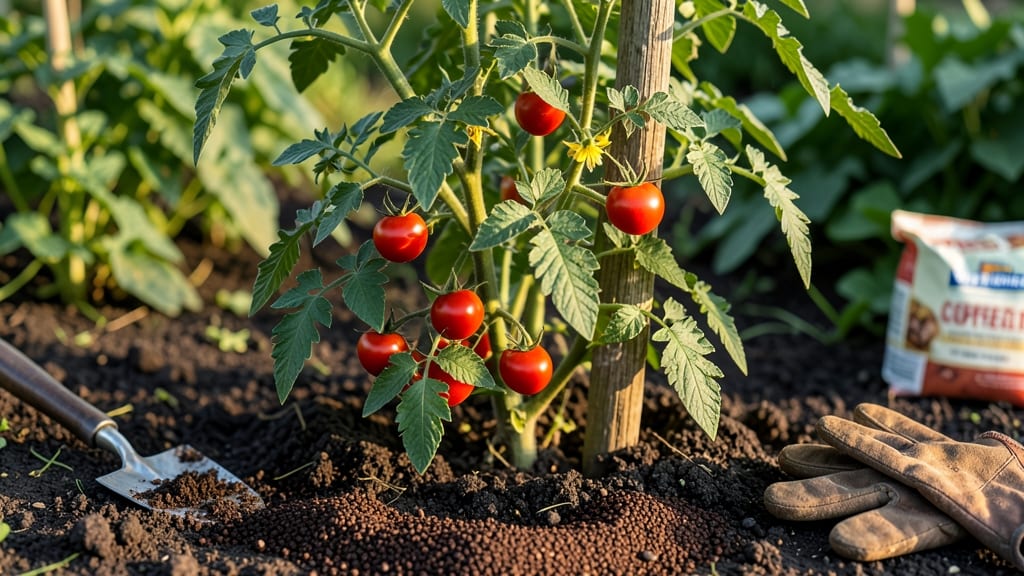
Yes, you can put coffee grounds around tomato plants to boost growth, as they provide nitrogen-rich nutrients, improve soil drainage, and help deter pests like slugs—but using too much can lower soil pH or attract fungus gnats without proper compost balancing.
Coffee grounds work as a natural fertilizer because they break down slowly, releasing nitrogen that tomato plants crave for leafy growth and fruiting. 🌱 The grounds also repel slugs and snails thanks to their caffeine content, while their gritty texture improves soil aeration.
However, fresh grounds can acidify the soil over time, so I always recommend mixing them with compost or lime to maintain a balanced pH of 6.0-6.8 for optimal tomato health.
For best results, sprinkle a thin layer (about 1 cup per plant) around the base every 2-4 weeks during the growing season. Avoid piling them directly against plant stems, as this can create moisture pockets that invite fungal issues. If you're composting, use well-decomposed grounds to prevent nutrient imbalances.
💡 In This Article
- How Coffee Grounds Benefit Tomato Plant Growth
- Proper Ways to Use Coffee Grounds for Tomatoes
How coffee grounds benefit tomato plant growth
Coffee grounds act as a slow-release nitrogen fertilizer because they contain about 2% nitrogen by weight, along with smaller amounts of phosphorus and potassium. When you add them to soil, beneficial soil microbes (like Pseudomonas and Bacillus species) break down the organic matter through a process called decomposition.
This releases nitrogen gradually over 4-8 weeks, feeding tomato plants with the essential nutrient they need for vigorous leaf and fruit production. The breakdown also creates humus, which improves soil structure and water retention.
The caffeine in coffee grounds (about 0.5-2% by weight) serves as a natural pest deterrent. Slugs and snails avoid the area because caffeine disrupts their mucus production and acts as a mild irritant to their sensitive skin. This is why gardeners often notice fewer pests near coffee-ground-enriched soil.
The gritty texture of grounds also improves soil aeration by preventing compaction, which helps tomato roots absorb oxygen and nutrients more efficiently. For best results, use composted grounds rather than fresh—they've already lost much of their caffeine and are less likely to acidify the soil.
However, coffee grounds can lower soil pH over time, which may become problematic if your soil is already acidic. Tomato plants thrive in a slightly acidic to neutral range of pH 6.0-6.8. Fresh grounds can drop pH by up to 0.5 units when used excessively, potentially stressing your plants.
To counteract this, mix grounds with lime (calcium carbonate) or wood ash (1 part ash to 20 parts soil) to buffer the acidity. The microbial activity stimulated by coffee grounds also helps suppress harmful pathogens like Fusarium, making your tomato plants more resilient to soil-borne diseases.
Another key benefit is the microbial boost coffee grounds provide. The organic matter attracts beneficial bacteria and fungi that form symbiotic relationships with tomato roots. These microbes help break down complex nutrients into forms the plants can absorb, while also producing growth-promoting hormones like auxins.
This is why tomato plants often show improved vigor and yield when coffee grounds are used as part of a balanced fertilizer regimen. The scent of decomposing grounds also attracts earthworms, which further aerate the soil and create channels for water and root growth.
For visual evidence, compare two tomato plants side by side: one receiving 1 cup of composted coffee grounds per plant every 4 weeks versus one with no treatment.
The treated plant will typically show darker green leaves (indicating better nitrogen uptake), faster growth in the early season, and more robust stems. The difference becomes especially noticeable during flowering when nitrogen supports the development of healthy blooms that lead to fruit production.
Just remember—moderation is key to avoid over-acidifying your soil while maximizing these benefits.