
Plants
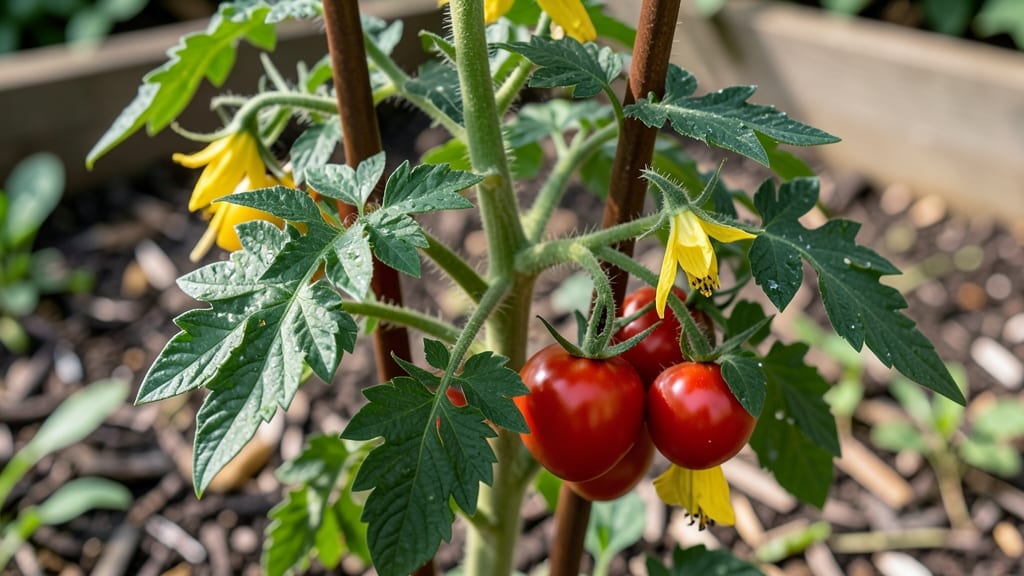
Deer eat tomato plants voraciously, stripping leaves, stems, and young fruits, which can ruin your garden harvest. Protect them with natural deterrents like repellent sprays, companion planting, or physical barriers.
Deer are particularly drawn to tomato plants because of their tender, nutrient-rich foliage and sweet-smelling blossoms. 🌱 During spring and summer, when deer are actively foraging, tomato gardens become prime targets—especially if other food sources are scarce.
The good news is that their browsing habits can be disrupted with simple, chemical-free strategies like planting deer-resistant herbs nearby or creating physical obstacles that make your garden less appealing.
For instance, a mix of garlic and hot pepper spray applied to leaves creates an unpleasant scent and taste that deer avoid. Alternatively, wrapping young plants in chicken wire or using tall fencing (at least 8 feet) can create an effective barrier without harming the environment.
Companion plants like marigolds or rosemary also work by masking the tomato scent, while adding motion-activated sprinklers can startle deer away when they get too close.
💡 In This Article
- Why Deer Target Tomato Plants in Gardens
- Top Natural Deer Deterrents for Tomato Gardens
Why deer target tomato plants in gardens
Deer are opportunistic browsers, and tomato plants become a high-priority snack due to their nutrient-rich, tender foliage. Tomatoes contain compounds like solanine (in green parts) and sugars in ripe fruit that deer find irresistible.
The plants' broad leaves and upright growth habit make them easy to access, unlike low-lying ground covers. 🌿 During spring and early summer, when deer are actively seeking protein to support fawns, tomato gardens become prime targets—especially if other food sources like clover or alfalfa are scarce in the surrounding area.
The scent plays a crucial role too. Tomato plants emit volatile organic compounds (VOCs) that deer can detect from up to 300 feet away. These compounds signal fresh, high-value forage.
Interestingly, deer show a preference for certain tomato varieties: heirloom types with thick, juicy leaves (like 'Brandywine') are more appealing than modern hybrids with tougher foliage. 🍅 The texture matters too—deer avoid plants with fuzzy or hairy leaves (like some wild tomato relatives), as they find them unpalatable.
This is why deer-resistant tomato varieties, such as 'Deer Resistant' cherry tomatoes, have gained popularity among gardeners.
Seasonal patterns also influence deer behavior. In late summer, when tomato fruits begin to ripen, deer may shift their focus to the sweet, soft fruit instead of leaves. However, unripe tomatoes contain solanine, a natural toxin that deer still consume in moderation.
The key is that deer don't need to eat large quantities to feel the effects—just enough to associate the plant with discomfort. This is why rotational planting (harvesting and replanting) can confuse deer and reduce damage over time.
Another surprising factor is the moisture content of tomato plants. Deer prefer gardens with well-watered soil (which keeps leaves lush) over dry, crispy foliage.
This is why early morning or late evening browsing is most common—dew and irrigation make tomatoes even more enticing. 🌧️ If your garden has a history of deer visits, the animals may have learned that your tomatoes are a reliable food source, reinforcing the behavior through positive reinforcement (no negative consequences for eating them).
Finally, deer are creatures of habit. Once they discover a garden with abundant tomatoes, they'll return repeatedly unless disrupted. This is why combining multiple deterrent strategies—like repellents, companion plants, and physical barriers—is more effective than relying on a single method.
For example, a garden with marigolds interplanted with tomatoes not only masks the scent but also provides a secondary food source that may distract deer from the main crop.
Understanding these behaviors helps you predict when and why deer will target your tomatoes.
By addressing their preferences—scent, texture, moisture, and seasonal hunger—you can create a garden that's less appealing to them. 🦌 The goal isn't just to repel deer temporarily but to make your tomato patch a less attractive option than the surrounding landscape.