
Light Requirements
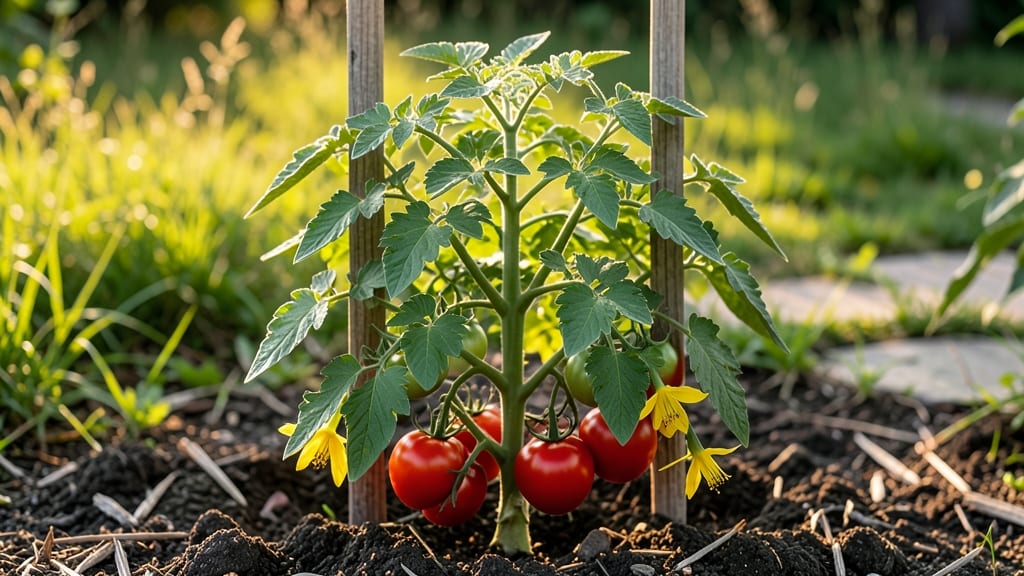
Tomato plants need direct sunlight to thrive, and 6 to 8 hours a day is the golden rule for healthy growth 🍅 — but too much or too little can spell disaster for your harvest.
If you’ve ever wondered why your tomato plants wilt or produce tiny fruits despite your best efforts, sunlight might be the missing puzzle piece—tomatoes are famously light-hungry, but how much is too much?
Without enough direct sunlight, your plants struggle to photosynthesize, leading to weak stems, yellowing leaves, and poor fruit production. On the flip side, scorching afternoon sun can burn leaves and stress the plant.
In this guide, I’ll break down the ideal sunlight requirements, how to spot signs of light issues, and practical tips to keep your tomato plants basking in just the right amount of sun for a bountiful harvest.

How many hours of direct sunlight do tomato plants need daily?
Tomatoes are one of the most sun-loving vegetables in your garden, but many gardeners struggle with the exact sunlight requirements for optimal growth.
While most varieties thrive with 6–8+ hours of direct sunlight daily, understanding how to measure and provide this light is key to avoiding common pitfalls like leggy stems or poor fruiting.
The science behind this need lies in photosynthesis—tomatoes require intense light to produce energy for strong stems, abundant foliage, and high-yield fruit.
If you’re planting tomatoes in containers, raised beds, or your backyard, the location matters more than you think. A spot near a south-facing wall or fence can reflect extra sunlight, while east- or west-facing areas may need adjustments.
Even partial shade from trees or buildings can reduce sunlight by up to 50%, drastically affecting your harvest. Let’s break down the exact sunlight needs and how to ensure your plants get the right amount.
📊 Summary Table: Tomato Sunlight Requirements
The 6–8+ hours of direct sunlight rule applies to most tomato varieties, but indeterminate types (like 'Sungold' or 'Brandywine') need even more light to support their vining growth habit.
If your garden only offers partial sun, consider reflective mulch or white-walled raised beds to bounce extra light onto leaves. For container gardening, place pots on a south-facing balcony or use a rotating trellis to ensure all sides get sunlight.
Measuring sunlight in your garden is easier than you think.
Use a sunlight tracker app or place a white piece of paper in potential spots—if it’s fully illuminated by noon, you’ve got direct sun. Morning sun (before 10 AM) is gentler, while afternoon sun (after 2 PM) can scorch leaves, especially in hot climates.
If your tomatoes are getting less than 5 hours of direct light, they’ll struggle to set fruit, no matter how well you water or fertilize.
One common misconception is that partial shade is acceptable for tomatoes. While some shade-tolerant varieties (like 'Stupice') can handle 4–6 hours of sun, most tomatoes will produce smaller, fewer fruits in low light.
If you’re dealing with new construction shade or dense tree canopies, consider pruning nearby branches or relocating your plants to a sunnier spot. Even dappled shade from a lattice can reduce sunlight by 30%, impacting growth.
Signs your tomatoes aren’t getting enough light include leggy, weak stems (a sign of stretching toward light), yellowing leaves (chlorosis from insufficient photosynthesis), and blossom drop (when flowers fail to set fruit).
If you notice these symptoms, move your plants to a sunnier location immediately—tomatoes can’t compensate for low light later in the season. For indoor growers, supplement with a full-spectrum LED grow light for 12–14 hours daily to mimic outdoor conditions.
Seasonal adjustments are also critical. In spring and fall, when days are shorter, extend sunlight exposure by pruning nearby plants or using reflective surfaces like aluminum foil. In
Signs your tomato plants aren’t getting enough sunlight (and how to fix it)
If your tomato plants look weak or produce tiny, flavorless fruits, they might be crying out for more sunlight. Tomato plants are sun-worshippers, and when they don’t get enough, their growth suffers in subtle but noticeable ways.
The first sign is often slow growth—leaves stay small, and stems grow thin and leggy as they stretch toward any available light. This stretching is your plant’s desperate attempt to reach sunlight, but it weakens the stem and reduces its ability to support fruit.
Another red flag is poor fruiting. Even if your plants flower, they may produce only a few small tomatoes—or none at all. This happens because sunlight is crucial for photosynthesis, which fuels flower production and fruit development.
Without enough light, your plant’s energy goes into survival rather than producing the juicy tomatoes you’re hoping for. You might also notice yellowing leaves, especially on the lower stems, as the plant struggles to maintain its energy balance.
⚠️ callout warning ⚠️
Tomatoes need 6-8+ hours of direct sunlight daily. Without it, your plants will:
- Develop leggy, weak stems (prone to breaking)
- Produce fewer, smaller fruits (or none at all)
- Show yellowing leaves (nutrient deficiencies)
- Suffer from poor flavor (low sugar production)
Fix it fast: Move plants to sunnier spots, use reflective surfaces, or add grow lights for indoor setups.
To diagnose the issue, observe your plants during the day. If they’re casting long, thin shadows or nearby plants are much taller, they’re likely not getting enough light.
Another clue is the direction of growth—if your tomato plants lean heavily toward one side (like a sunflower), they’re reaching for light. This isn’t just unsightly; it weakens the plant’s structure and reduces its ability to support heavy fruit loads later in the season.
If you’ve ruled out shading from trees or buildings, the next step is to adjust their placement. Move potted tomatoes to a sunnier spot, or if they’re in the ground, consider transplanting them closer to a south-facing wall or fence.
For container gardeners, a south-facing window or a balcony with unobstructed sunlight can work wonders. If your garden is naturally shady, try using reflective surfaces like white walls or mirrors to bounce extra light onto your plants.
For indoor growers or those with limited sunlight, grow lights are a game-changer. LED grow lights designed for vegetables can provide the full-spectrum light your tomatoes need, especially if you’re growing them in a greenhouse or on a windowsill.
Aim for 12-16 hours of light per day and position the light just a few inches above the plant to mimic natural sunlight. Just be sure to raise the light as your plants grow to prevent burning the leaves.
Finally, if your tomatoes are already struggling, don’t despair—there are still ways to boost their health. Prune any shady leaves (those growing inward or toward the ground) to redirect energy to the fruit-bearing branches.
Add a balanced fertilizer (like 10-10-10) to give your plants a nutrient boost, but avoid over-fertilizing, which can stress them further. With a little extra care and sunlight, your tomato plants can bounce back and reward you with a bountiful harvest.