
Light Requirements
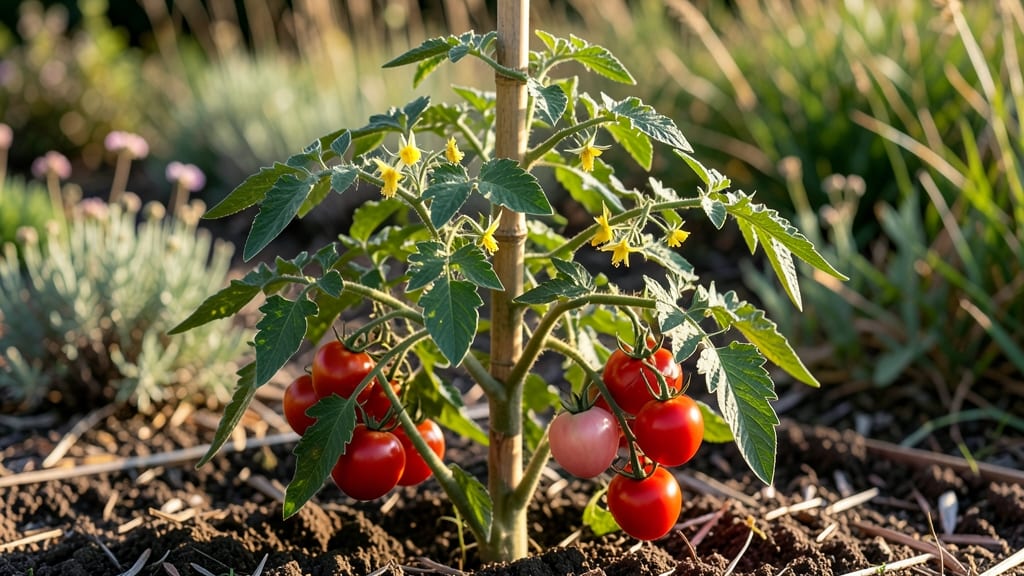
Growing tomatoes with the right sunlight requirements is the secret to juicy, flavorful fruit—not just a handful of small, bland tomatoes.
Struggling with blighted plants or poor production? Sunlight is the #1 factor determining whether your 🍅 thrive—or fail. Too little light means stunted growth, weak stems, and fruit that never ripens, while too much can scorch leaves and reduce yield.
The sweet spot isn’t just about hours; it’s about timing, variety, and even your garden’s microclimate.
Most tomato plants need 6 to 8+ hours of direct sunlight daily, but indeterminate varieties (like cherry tomatoes) can handle more, while determinate types (like Roma) tolerate slightly less.
I’ll break down exactly how much light your plants need at each growth stage—from seedlings to fruiting—and how to fix common sunlight mistakes before they ruin your harvest.
Ready to maximize your tomato’s potential? You’ll discover how to calculate sunlight exposure, spot deficiency signs early, and even pick the best low-light varieties for your garden. Let’s get those plants soaking up the sun the right way.

How many hours of sunlight do tomatoes need daily?
If you’ve ever grown tomatoes, you know how devastating it is when your plants produce tiny, flavorless fruits—or worse, no fruit at all. The culprit? Insufficient sunlight. Tomatoes are sun-worshippers, and their growth stages depend entirely on consistent, bright light.
Without it, your plants become weak, leggy, and prone to diseases. Let’s break down the exact sunlight requirements your tomatoes need to thrive, from seedling to harvest.
Most gardeners assume tomatoes need full sun, but the truth is more nuanced. The minimum sunlight requirement for tomatoes is 6 hours of direct sunlight daily, but for peak production—especially in hot climates—8 to 10 hours is ideal.
This varies by tomato variety, growth stage, and even the time of year. For example, indeterminate varieties (like 'Cherry Tomatoes') need more light to support their continuous growth, while determinate varieties (like 'Roma') can tolerate slightly less but still require at least 6 hours.
Here’s the science-backed breakdown you need to know, including how to calculate sunlight in shaded areas and adjust for seasonal changes.
| Tomato Type | Growth Stage | Minimum Sunlight (Hours/Day) | Ideal Sunlight (Hours/Day) | Seasonal Adjustments |
|---|---|---|---|---|
| Indeterminate (e.g., 'Sungold', 'Beefsteak') | Seedling | 4-6 | 6-8 | Spring: 6+ | Summer: 8-10 |
| Indeterminate | Flowering/Fruiting | 8 | 10+ | Summer: 10+ | Fall: 6-8 |
| Determinate (e.g., 'Roma', 'Celebrity') | Seedling | 4-6 | 6-7 | Spring: 6+ | Summer: 7-8 |
| Determinate | Fruiting | 6 | 8 | Summer: 8 | Fall: 6-7 |
| All Varieties | 3-4 (Partial Shade) | 5-6 (Max for Shade) | Use reflective surfaces or grow lights | |
Now that you know the sunlight benchmarks, let’s dive into how these requirements change based on your tomato’s growth stage. Seedlings are the most sunlight-sensitive phase, needing 4-6 hours to avoid becoming leggy.
Once transplanted, they’ll crave more light to support robust growth. Flowering and fruiting stages demand the most sunlight—8+ hours daily—because energy is redirected from leaves to fruit production. Without enough light, your tomatoes will set fewer flowers or produce small, underdeveloped fruits.
Seasonal changes also play a critical role. In spring and fall, when daylight hours are shorter, aim for 6-8 hours of sunlight by positioning your plants in the sunniest spots of your garden.
During summer, when days are long, tomatoes can handle 10+ hours if shaded slightly during peak afternoon heat (12 PM–3 PM) to prevent sunscald. Use shade cloth or plant near taller crops like corn or sunflowers to filter harsh rays while maintaining light exposure.
If your garden is shaded by trees, buildings, or fences, you’ll need to get creative. Start by measuring sunlight exposure using a sunlight calculator (available as apps or DIY tools).
Place a white board in your garden for a few days to track how many hours of direct light each spot receives. For areas with less than 6 hours, consider reflective surfaces like white gravel or mirrors to bounce extra light onto your plants.
Alternatively, opt for container gardening and move pots to sunnier locations throughout the day.
One common mistake is assuming morning sun alone is enough. While morning sunlight is ideal (it’s cooler and less intense), tomatoes need direct afternoon sun too for optimal photosynthesis. If your garden only gets morning sun, supplement with a grow light for 2-3 hours in the afternoon.
LED grow lights designed for vegetables are energy-efficient and can make a huge difference in fruit production.
Pro tip: Monitor your tomato plants for signs of light deficiency, such as pale yellow leaves, weak stems, or flowers that drop without setting fruit. These are red flags that your plants aren’t getting enough sunlight.
Signs your tomatoes aren’t getting enough sunlight (and how to fix it)
If your tomato plants look sad and underwhelming, sunlight deprivation might be the culprit. Tomatoes are sun-worshippers, craving 6-8+ hours of direct sunlight daily to produce vibrant fruit and lush foliage.
When they don’t get enough light, their growth slows dramatically, and you’ll notice telltale signs like weak stems and pale leaves.
Even experienced gardeners sometimes overlook subtle clues that their tomatoes are starving for light. The good news? Recognizing these symptoms early gives you time to adjust your garden layout or care routine before your harvest suffers. Let’s explore the most common red flags and practical fixes to revive your plants.
Minimum sunlight: 6 hours daily
Ideal sunlight: 8+ hours daily
Critical threshold: Less than 4 hours = poor fruit set
Action: Move plants immediately if you spot yellowing leaves or stunted growth—these are early warning signs!
One of the first signs your tomatoes are light-deprived is pale or yellowing leaves, especially on the lower stems. This happens when chlorophyll production drops due to insufficient photosynthesis.
Check the undersides of leaves—if they’re a weak, washed-out green instead of vibrant, it’s a clear signal to relocate your plants to a sunnier spot.
Another dead giveaway is weak, leggy stems that stretch unnaturally toward any available light. These plants are essentially "reaching" for sunlight, which weakens their structure and makes them more prone to disease or wind damage.
Prune the leggy growth to encourage bushier, stronger stems, but also move the plant to a brighter location.
Poor fruit production is the most frustrating symptom of sunlight deficiency. If your tomato plants are flowering but fruits drop before ripening or stay small and green, they’re not getting enough energy from sunlight.
Even if flowers appear, low light prevents proper pollination and fruit development. Try hand-pollinating flowers with a small brush, but also assess your garden’s sunlight exposure.
To fix these issues, start by mapping your garden’s sunlight using a simple trick: Place a white piece of paper in different spots for a few hours. The area with the most defined shadow is your sunniest spot.
If your tomatoes are in partial shade, consider reflective surfaces like white gravel or mirrors to bounce extra light onto their leaves.
For container growers, choose south-facing windowsills or invest in grow lights for 12-16 hours daily. If you’re planting in the ground, avoid tall trees or buildings that cast long shadows. Even a 1-2 foot shift can make a huge difference in sunlight exposure.
With these adjustments, your tomatoes will bounce back with stronger stems, healthier leaves, and juicier fruit in no time! 🌞