
Plants
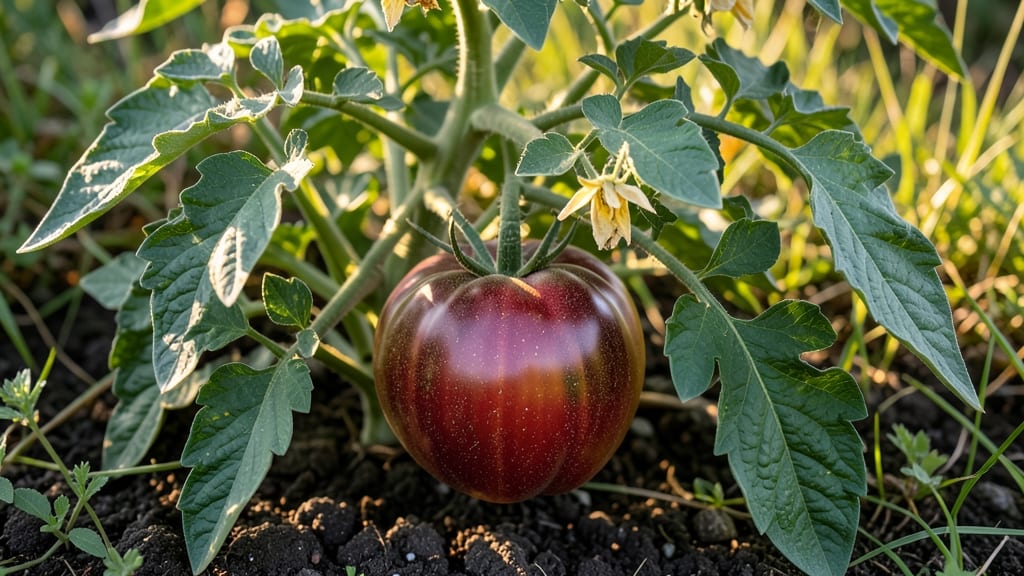
A full-grown beefsteak tomato plant 🍅 can reach heights of 4-6 feet and produce fruits the size of a steak—if you know how to coax it there.
Imagine harvesting beefsteak tomatoes so massive they rival steakhouse portions—pruning your full-grown plant correctly is the secret weapon most gardeners overlook.
These giants need more than just sun and water; they demand precise care to channel energy into fewer, larger fruits. Without the right pruning, you’ll end up with a bushy plant full of small tomatoes instead of the 20-pound monsters you’ve been dreaming of.
In this guide, I’ll walk you through the exact pruning techniques, timing, and tools to maximize your harvest—so you can go from struggling with underwhelming tomatoes to growing the kind that make your neighbors jealous.

How to prune a full-grown beefsteak tomato plant for maximum fruit size
Your beefsteak tomato plant has reached its full-grown glory—now it’s time to unlock its true potential. These heirloom giants thrive when you redirect their energy from excessive foliage to fewer, larger fruits.
The key? Strategic pruning that maintains plant health while encouraging those steakhouse-worthy tomatoes you’ve been dreaming of. Let’s dive into the precise techniques that’ll transform your harvest.
Pruning isn’t just about hacking away at branches—it’s a surgical redirection of your plant’s resources. When done correctly, you’ll see 30-50% larger tomatoes with fewer but more robust fruits. The best time to start is when your plant hits 3-4 feet tall and shows signs of flower clusters.
This is when energy allocation becomes critical. Wait too long, and you risk stunting growth or inviting disease.
Before grabbing your pruners, gather these essentials: sterilized bypass pruners, a sharp knife for larger stems, and copper fungicide to prevent infections. Work on a dry, sunny morning when the plant is actively photosynthesizing.
Avoid pruning after rain or in humid conditions—this is when blight risks skyrocket. Your goal? To create an open, airy structure that maximizes sunlight penetration to every fruit.
Step-by-Step Pruning Guide for Beefsteak Tomatoes
- 1 Remove Suckers Early: Identify suckers (shoots between main stem and branches) and pinch them off with your thumb. These compete for energy with your main fruit clusters.
- 2 Prune Lower Leaves: Strip leaves from the bottom 18 inches of the plant. This improves air circulation and prevents soil-borne diseases from splashing onto fruits.
- 3 Limit Branches to 3-4: Keep only the strongest upward-growing branches. Remove weaker side shoots to avoid overcrowding. Each branch should have 1-2 main stems with fruit clusters.
- 4 Thin Fruit Clusters: Leave only 3-5 tomatoes per cluster. Remove smaller or deformed fruits early—they drain energy from your showstopper tomatoes.
- 5 Support the Structure: Install a tomato cage or stakes to prevent branches from breaking under heavy fruit loads. Use soft plant ties to avoid damaging stems.
- 6 Monitor Growth Weekly: Check your plant every 7-10 days for new suckers or overcrowded branches. Consistent pruning ensures your plant stays balanced and productive.
One of the most common mistakes is over-pruning—removing too much foliage at once. Your beefsteak tomato needs enough leaves to photosynthesize and feed those massive fruits. Aim to remove no more than 20-30% of the plant’s foliage in a single session.
If you see yellowing leaves or stunted growth after pruning, you’ve gone too far. Remember, the goal is to shape, not shrink your plant.
Pay special attention to the main stem. Never prune the terminal bud (the topmost growing point) unless your plant is already over 6 feet tall. This bud drives upward growth and fruit production.
If you accidentally remove it, your plant may become bushy and produce smaller tomatoes. For indeterminate varieties like beefsteaks, the terminal bud is your growth engine—protect it at all costs.
After pruning, give your plant a boost with compost tea or a balanced fertilizer (like 10-10-10).
Beefsteak tomato plant pruning mistakes that shrink your harvest
Your full-grown beefsteak tomato plant has the potential to produce pound-sized fruits, but pruning mistakes can turn those monsters into mere golf-ball tomatoes. The key is balance—too much pruning weakens the vine, while too little leaves you with small, crowded fruits fighting for energy.
I’ve seen gardeners accidentally strangle their harvest by focusing only on removing suckers or cutting too aggressively.
One of the biggest mistakes is pruning without a plan. Many gardeners grab their shears and start snipping suckers or lower leaves without considering how it impacts the plant’s energy distribution.
Your beefsteak tomato isn’t just a decorative vine—it’s a fruit factory, and every cut should serve a purpose. Ignoring the plant’s signals, like yellowing leaves or stunted growth, can also lead to a reduced harvest.
Another critical error is over-pruning the main stem. Some gardeners think more cuts mean more airflow and bigger tomatoes, but top-heavy pruning can actually weaken the vine and reduce its ability to support heavy fruits.
The goal isn’t to turn your tomato into a bushy bonsai—it’s to optimize fruit size and vine stability. Let’s break down what to avoid and what to do instead.
Pruning Mistakes vs. Correct Techniques for Beefsteak Tomatoes
Mistakes to Avoid
- Over-pruning suckers: Removing more than 2 suckers per node weakens the plant.
- Cutting too close to the stem: Leaves stubs that rot and invites disease.
- Ignoring lower leaves: Leaves less airflow and increases fungal risk.
- Pruning during heatwaves: Stresses the plant and slows recovery.
- Using dull tools: Causes jagged cuts that heal poorly.
Correct Techniques
- Remove only necessary suckers: Keep 1-2 suckers per node for balance.
- Make clean cuts at 45°: 1/4 inch above a leaf node for faster healing.
- Prune lower leaves selectively: Remove only diseased or shaded leaves.
- Prune in early morning: Reduces stress and evaporation.
- Sterilize tools between cuts: Prevents spread of bacterial spots.
Pay attention to your plant’s growth signals. If your beefsteak tomato plant starts producing smaller-than-expected fruits or leaves turn yellow between veins, it’s often a sign of over-pruning or nutrient deficiency.
I once pruned my vine too aggressively, and instead of 20-pound tomatoes, I ended up with pint-sized fruits. The plant was so stressed it redirected energy to survival instead of fruit development.
Another common pitfall is pruning too late in the season. Once your plant starts flowering, aggressive pruning can delay fruiting or even reduce the number of tomatoes it produces. Focus on maintaining the vine’s structure rather than reshaping it.
For beefsteak varieties, the goal is to support fewer, larger fruits, not more of them. Save heavy pruning for early growth stages and switch to light maintenance as flowers appear.
Finally, never underestimate the power of proper tool use. Using dull shears or your hands to prune can cause tearing and disease entry points. Invest in a sharp bypass pruner and always sterilize it with rubbing alcohol between cuts.
I’ve seen gardeners skip this step and end up with bacterial spot infections that ruin entire harvests. A little preparation goes a long way in keeping your beefsteak tomatoes thriving.