
Plants
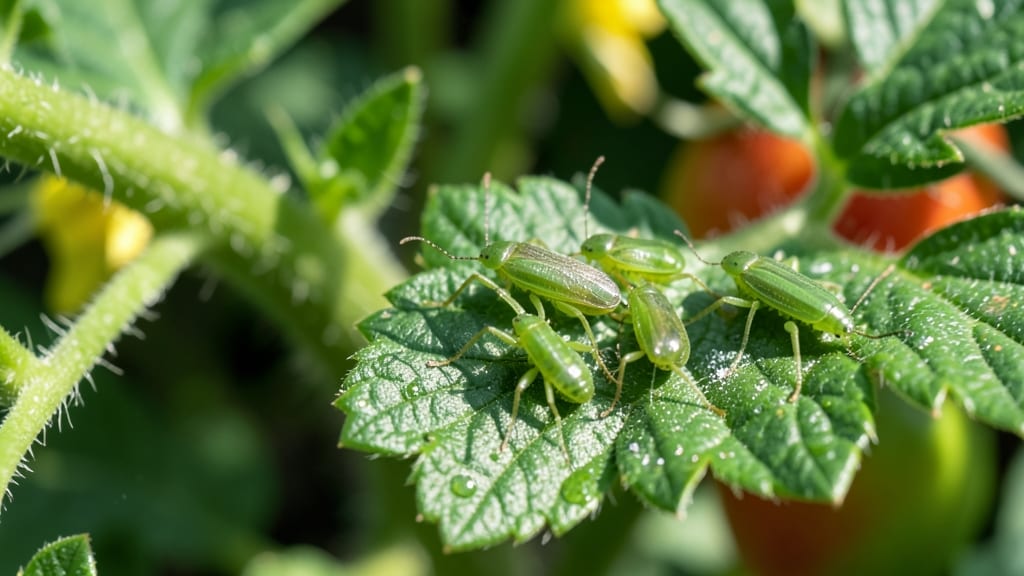
Green bugs on tomato plants are the sneaky saboteurs of summer harvests. 🌱 I’ve lost entire batches of tomatoes to these tiny invaders—until I learned their life cycle and how to outsmart them. The key isn’t just killing them but understanding when they strike and how they multiply.
Aphids, hornworms, and spider mites all follow a predictable pattern: eggs hatch into nymphs that devour leaves before becoming adults. Aphids reproduce in days, while hornworms go through four stages in weeks. Catching them early means the difference between a thriving plant and a skeletonized one by July.
You’ll learn to spot the first signs—sticky residue, chewed leaves, or tiny webs—and act fast with organic sprays, handpicking, or companion plants. My tomatoes now stay lush and productive all season, and I’ll show you how to do the same.
This works for backyard gardens, containers, and even balcony setups. Let’s reclaim your tomato plants from these green pests—once and for all.
Root Causes Of Tiny Green Invaders
Those pesky green bugs on your tomato plants aren’t just random visitors—they’re usually drawn by specific conditions that turn your garden into an all-you-can-eat buffet. Understanding why they show up is the first step to kicking them out for good. Let’s break down the science behind their uninvited party.
Green pests like aphids, thrips, or flea beetles thrive when tomato plants are packed too closely together. Here’s why:
- Limited airflow: Dense foliage traps humidity, creating a moist microclimate that soft-bodied insects love. Poor air circulation also slows down natural predators (like ladybugs) from patrolling efficiently.
- Stressed plants: Overcrowded tomatoes compete for nutrients and water, weakening their defenses. Weak plants produce less sap (a natural pest deterrent) and more sugars in their leaves—both of which attract hungry bugs.
- Harboring spots: Thick vines and unpruned leaves create hiding spots where pests can lay eggs undetected. A single aphid can multiply into hundreds in weeks if left unchecked.
Actionable fix: Space tomato plants 18–24 inches apart and prune regularly to improve airflow. Pro tip: 💡 Use vertical trellises to elevate plants—this reduces ground-level pest access and makes spotting early infestations easier.
Water is the lifeblood of your tomatoes—but too much of it turns your garden into a bug magnet. Here’s the connection:
| Issue | Why Bugs Love It |
|---|---|
| Soggy soil | Fungal diseases (like early blight) weaken plants, making them more attractive to pests seeking easy meals. |
| Wet foliage | Moisture on leaves creates the perfect breeding ground for fungus gnats and whiteflies, which then invite predators like aphids. |
| Poor drainage | Stagnant water at the base of plants attracts slugs and cutworms, which chew on young tomato stems and leaves. |
Actionable fix: Water at the base of the plant in the morning (avoid overhead sprinkling) and ensure containers or raised beds have drainage holes. Pro tip: 🌡️ Let the top 1–2 inches of soil dry out between waterings—this disrupts the life cycle of moisture-loving pests.
Tomatoes need a balanced diet, but too much nitrogen or too little potassium can make them a snack bar for green bugs. Here’s how:
- Excess nitrogen: Lush, soft new growth is delicious to aphids and spider mites. These pests prefer tender leaves over tough, mature ones.
- Potassium deficiency: Weak stems and yellowing leaves signal stress, making plants less resistant to pests. Bugs like hornworms target stressed plants first.
- Phosphorus overload: While phosphorus helps roots, too much can lead to purple-tinged leaves, which some pests (like thrips) find irresistible.
Actionable fix: Test your soil and amend with a balanced fertilizer (10-10-10 or 5-10-10). Add compost or banana peels (for potassium) and avoid synthetic nitrogen spikes. Pro tip: ✨ Neem oil (a natural pesticide) can deter pests while also acting as a mild fungicide—win-win!
Green bugs don’t always win by brute force—they often outsmart plants by exploiting gardens where their predators are missing. Here’s how it happens:
- Pesticide overuse: Broad-spectrum chemicals (like neonicotinoids) kill both pests and their predators (ladybugs, lacewings, parasitic wasps). Without these allies, bugs reproduce unchecked.
- Monoculture gardening: Planting only tomatoes removes biodiversity. Predatory insects need a variety of plants to thrive—without them, pests take over.
- Seasonal timing: Early in the season, natural predators haven’t arrived yet, giving bugs a head start.
Actionable fix:
- Introduce beneficial insects like ladybugs or nematodes (available at garden centers).
- Plant companion flowers (e.g., marigolds, dill, or alyssum) to attract predators.
- Avoid chemical sprays—opt for soapy water sprays or kaolin clay to disrupt bug life cycles without harming helpers.
Pro tip: 🎯 If you spot lacy-winged adults (lacewings) or tiny black larvae (ladybug eggs), don’t squish them—they’re your secret weapon!
By addressing these root causes, you’re not just treating the symptoms—you’re starving the problem at its source. The next step? Learning how to disrupt their life cycle before they multiply. 🚀
Quick Fixes for Garden Pests
If you’ve spotted green bugs on tomato plants, don’t panic—there are effective ways to tackle them without harming your garden or the environment. The key is identifying the culprit (like aphids, tomato hornworms, or flea beetles) and applying the right solution.
Below, we break down practical fixes for each common cause, along with prevention tips to keep your tomato plants thriving.
Aphids are soft-bodied, sap-sucking pests that cluster on new growth. Their sticky residue (honeydew) can attract mold and weaken plants.
How to Remove Them Fast 🍳 Spray with Soapy Water Mix 1 tsp mild dish soap (like Castile soap) with 1 quart of water in a spray bottle.
Directly spray aphids until they’re coated—wait 10–15 minutes, then rinse off. Repeat every 2–3 days until gone. ✅ Why it works: Soap disrupts their waxy coating, dehydrating them.
👨🍳 Introduce Beneficial Insects Ladybugs, lacewings, and parasitic wasps love eating aphids. Buy them online or attract them by planting dill, fennel, or marigolds nearby. ✅ Pro tip: Release them in the early morning or evening when temps are cooler.
🥘 Neem Oil Spray (Organic Barrier) Combine 1 tbsp neem oil, 1 tsp mild soap, and 1 quart of water. Spray every 5–7 days to repel and kill aphids. ⚠️ Caution: Avoid spraying in direct sunlight (can burn leaves).
These green caterpillars with white stripes can strip a tomato plant bare in 24 hours. Look for black droppings and chewed leaves.
How to Eliminate Them Quickly
🔪 Handpick Them (Best Method!) Wear gloves and pluck hornworms off by hand—drop them in soapy water to kill them instantly. ✅ Bonus: Check the underside of leaves where they hide.
🐛 Encourage Parasitic Wasps (Nature’s Pest Control) Tiny braconid wasps lay eggs in hornworms, killing them naturally. Plant basil or dill to attract them. ✅ Sign of success: Hornworms with white cocoons on their backs.
🌡️ Bacillus Thuringiensis (BT) Spray A natural bacteria (sold as Dipel or Xentari) that kills hornworms when ingested. Mix with water and spray every 7–10 days. ✅ Safe for humans/pets but only kills caterpillars (not butterflies).
These tiny, green, jumping bugs create shotgun-like holes in leaves. They’re most active in hot, dry weather.
How to Stop Them in Their Tracks
💡 Row Covers (Physical Barrier) Use floating row covers (lightweight fabric) over young plants to block beetles. Secure edges with bricks or soil. ✅ Pro tip: Remove covers when plants flower to allow pollination.
🌱 Interplant with Repellent Herbs Flea beetles hate basil, thyme, or marigolds. Plant them around tomatoes to confuse and deter pests.
🎯 Diatomaceous Earth (DE) Dust Sprinkle food-grade DE around the base of plants and on leaves. It dehydrates beetles but is safe for plants. ⚠️ Reapply after rain and avoid breathing it in.
Once you’ve treated an infestation, stop future attacks with these long-term strategies:
✨ Rotate Crops – Don’t plant tomatoes in the same spot yearly (pests build up in soil). 🌱 Healthy Soil = Strong Plants – Use compost and organic fertilizer to boost plant resilience. 🌡️ Water Deeply in Morning – Wet foliage at night attracts slugs and fungi—keep leaves dry. 🎯 Inspect Plants Weekly – Catch pests early before they multiply. 🚫 Remove Weeds & Debris – Pests hide in mulch and weeds—keep the area clean.
If bugs keep coming back despite your efforts:
- Try pyrethrin spray (derived from chrysanthemums) for severe infestations.
- For commercial gardens, consider neonicotinoid-free insecticides (follow label instructions).
Remember: The healthier your tomato plants, the less appealing they’ll be to pests. With these simple, eco-friendly fixes, your garden will be bug-free in no time! 🍅✨
Frequently asked questions
Are those green bugs on my tomato plants harmful?
Most green bugs like aphids, hornworms, and flea beetles are harmful—they damage leaves, stems, and fruits. Aphids suck sap causing sticky residue, hornworms can defoliate plants in 24 hours, and flea beetles create shot holes in leaves. Early action prevents yield loss and plant stress.
How do I tell if it's aphids vs. hornworms vs. flea beetles?
Aphids are tiny, clustered green bugs on stems/leaves; hornworms are large green caterpillars with white stripes and black "horns"; flea beetles are tiny jumping bugs leaving shotgun-like holes in leaves. Check leaf undersides and stems for clues.
Will neem oil work on all green tomato pests?
Neem oil works best on aphids and soft-bodied pests but is less effective against hornworms or flea beetles. For hornworms, use Bacillus thuringiensis (BT) or handpick them. Always spray in evening to avoid leaf burn from sunlight.
Can I use chemical pesticides safely around tomato plants?
Use selective pesticides like pyrethrin (derived from chrysanthemums) or neonicotinoid-free options. Avoid broad-spectrum chemicals that kill beneficial insects. Always follow label instructions and apply in early morning for best results.
How often should I check my tomato plants for bugs?
Inspect plants weekly during growing season, focusing on leaf undersides and stems. Early detection prevents outbreaks. Use a hand lens for small pests like aphids or flea beetles.