
Pests
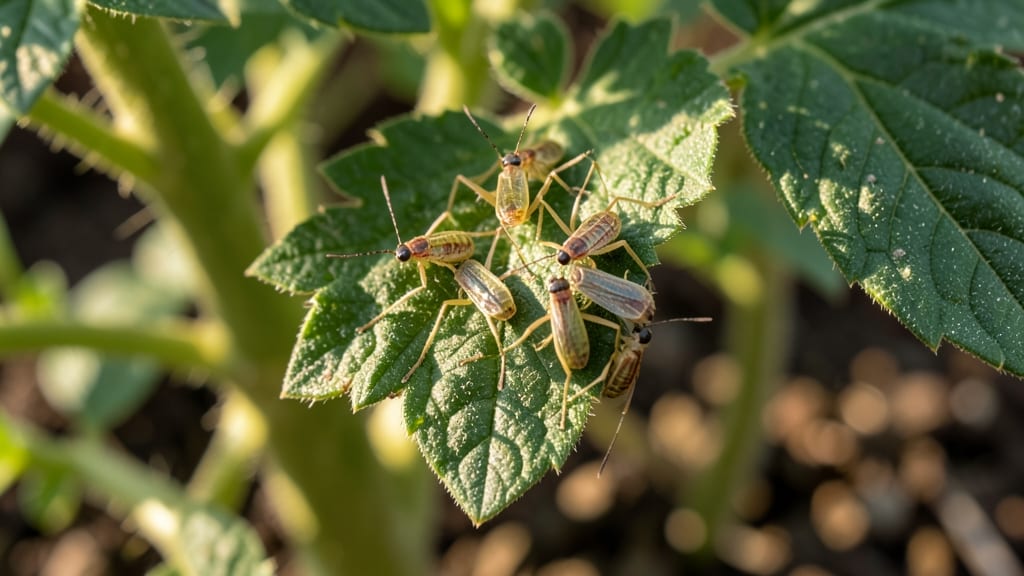
Those little bugs on tomato plants can turn a thriving harvest into a battle zone—fast. 🌱 Honestly, I’ve watched aphid colonies explode from a handful to a blanket in just a week, and the key to stopping them is acting before they do.
The good news? Most of these pests are easy to spot once you know what to look for, and organic fixes work better than you’d think.
Common culprits include aphids (tiny green or black clusters), spider mites (barely visible webs), and whiteflies (fluttering when you shake the plant). The damage? Stunted growth, curled leaves, and fruit that never ripens.
I’ve learned that the moment you see sticky residue on leaves, it’s time to act—before the bugs move to your peppers too.
Neem oil, insecticidal soap, and introducing ladybugs can wipe out 90% of an infestation in under a week. Prune heavily damaged leaves and rotate your planting spot next season to break the pest cycle. The goal isn’t just to kill bugs—it’s to outsmart them before they outsmart you.
Even if you’ve lost a tomato plant before, this method works for beginners and veterans alike. The difference between a failed harvest and a bountiful one often comes down to spotting the problem early—and knowing exactly what to do next. Let’s get those plants back on track.
Root Causes Of Tiny Tomato Invaders
Those tiny, seemingly harmless bugs crawling on your tomato plants aren’t just a nuisance—they’re usually a sign of underlying conditions that make your plants irresistible to pests.
Understanding why these critters appear in the first place is the first step to stopping them for good. Here’s a breakdown of the most common triggers:
When tomato plants are too close together, airflow is restricted, creating a humid microclimate that pests love. Poor ventilation slows down water evaporation, leaving foliage damp longer—an all-you-can-eat buffet for insects like aphids, whiteflies, and spider mites.
- Why it matters: Dense foliage traps moisture, weakening plants and making them more susceptible to fungal infections, which also attract pests.
- Science behind it: High humidity (above 70%) and stagnant air increase the survival rates of soft-bodied insects, allowing their populations to explode.
- Actionable fix:
- Space tomato plants 18–24 inches apart (or as recommended for your variety).
- Prune lower leaves to improve airflow, especially in greenhouses or shaded areas.
- Use drip irrigation instead of overhead watering to keep leaves dry.
Tomato plants with compromised immune systems—often due to nutrient deficiencies, disease, or stress—emit chemical signals that attract pests. Think of it like a plant’s distress call: “Come and eat me, I’m already struggling!”
- Common triggers:
- Nitrogen deficiency: Yellowing leaves (chlorosis) make plants less resilient to pests like flea beetles.
- Over/under-watering: Stress from drought or root rot weakens cell walls, making them easier for insects to pierce.
- Fungal/bacterial infections: Sap-sucking pests (e.g., aphids) thrive on plants already battling blight or powdery mildew.
- Science behind it: Damaged plants produce higher levels of volatile organic compounds (VOCs), which act as insect pheromone mimics, luring predators like whiteflies and thrips.
- Actionable fix:
- Test soil pH (ideal: 6.0–6.8) and amend with compost or balanced fertilizer (e.g., 10-10-10).
- Water deeply 1–2 inches per week, avoiding soggy soil.
- Rotate crops yearly to prevent soil-borne pathogens from building up.
Leaves, fallen fruit, and plant waste aren’t just eyesores—they’re hiding spots and breeding grounds for pests. Many tiny bugs (e.g., fungus gnats, earwigs) lay eggs in moist, decaying matter, then migrate to your tomato plants once their larvae hatch.
- Why it matters: A single earwig can lay 50–100 eggs in mulch or compost, leading to a rapid infestation.
- Science behind it: Decaying plant material creates a microhabitat with high humidity and shelter, perfect for insect development. Some pests, like spider mites, even hitchhike on debris blown by wind.
- Actionable fix:
- Clear fallen leaves and fruit weekly, especially under plants.
- Use straw or dry mulch (not fresh grass clippings) to reduce moisture retention.
- Store compost away from tomato beds—pests will find it first.
Some tomato varieties or companion plants actively attract beneficial insects—like ladybugs or lacewings—which is great… until their prey (the pests) show up in droves. Other times, your tomatoes might be emitting scents that pests can’t resist.
- Common culprits:
- Sweet-smelling flowers nearby: Plants like marigolds or basil draw in pollinators, but also aphids and whiteflies.
- Overripe or damaged fruit: The fermenting sugars and alcohols in rotting tomatoes signal fruit flies and hornworms.
- Certain tomato varieties: Some heirlooms (e.g., ‘Brandywine’) have thicker foliage, providing more shelter for pests.
- Science behind it: Pests use olfactory cues—like volatile compounds from damaged plant tissues—to locate hosts. For example, aphids are drawn to β-caryophyllene, a chemical released by stressed tomatoes.
- Actionable fix:
- Harvest tomatoes before they overripe; remove damaged fruit immediately.
- Choose pest-resistant varieties (e.g., ‘Mountain Merit’ for blight resistance).
- Plant repellent companions like garlic, chives, or nasturtiums (not just attractors).
Some tiny invaders aren’t even after your tomatoes—they’re just passing through on their way to other crops or hiding from predators. For example, fungus gnats lay eggs in moist soil in spring, while thrips hitch rides on pollen in summer.
- Seasonal patterns:
Pest Peak Season Why They Appear Now Aphids Spring/Fall Cool temps + new growth = easy meals. Spider Mites Summer Drought stress makes plants release sugars that mites crave. Whiteflies Late Summer Warm nights + high humidity = ideal breeding conditions. - Science behind it: Many pests have life cycles synchronized with plant growth stages. For instance, hornworms time their hatching to coincide with tomato flowering.
- Actionable fix:
- Monitor plants weekly during peak seasons—early detection = easier control.
- Use row covers in early spring to block migrating pests.
- Encourage natural predators (e.g., birds, lacewings) by avoiding broad-spectrum pesticides.
💡 Pro Tip: Keep a pest journal! Note when bugs appear, their location, and environmental conditions (e.g., rain, heatwaves). Patterns will reveal your garden’s specific triggers.
How to Fix Tiny Tomato Plant Invaders
Now that you’ve identified the culprits—whether they’re aphids, whiteflies, spider mites, or hornworms—it’s time to kick them out of your garden for good! The good news? Most of these pests can be managed with simple, eco-friendly methods before they wreak havoc on your harvest.
Below, we’ll break down targeted solutions for each pest, along with preventive strategies to keep your tomato plants thriving. Let’s get started!
Aphids are soft-bodied pests that cluster on new growth, leaving behind sticky honeydew. Here’s how to evict them:
🍳 Immediate Fixes
- Blast Them Off 💦 Use a strong stream of water from your hose to knock aphids off leaves.
Repeat every few days until they’re gone. - Soapy Water Spray 🧼 Mix 1 tsp mild dish soap (like Dawn) with 1 quart of water in a spray bottle. Dab or spray directly on aphids—this disrupts their protective wax coating.
Test on a small leaf first to avoid damaging plants. - Neem Oil Solution 🌿 Combine 1 tbsp neem oil, 1 tsp mild soap, and 1 quart of water. Spray early in the morning or late evening (avoid direct sunlight, which can burn leaves).
Reapply every 5–7 days.
🌱 Long-Term Prevention
- Encourage Natural Predators 🐞 Ladybugs, lacewings, and parasitic wasps love aphids.
Plant dill, fennel, or marigolds nearby to attract them. - Prune Infested Growth ✂️ Remove heavily infested leaves and dispose of them in sealed bags (not your compost!). - Reflective Mulch 🪞 Use silver or aluminum mulch around plants—aphids hate shiny surfaces! This confuses them and reduces landings.
These tiny, winged pests flutter around leaves and suck sap, leaving a white, cloudy residue. They’re tricky but beatable!
👨🍳 Immediate Fixes
- Yellow Sticky Traps 🎯 Hang yellow sticky cards near plants to trap adult whiteflies. Replace every 2–3 weeks.
- Neem Oil or Insecticidal Soap 🌿 Spray neem oil (as above) under leaves where whiteflies hide.
For severe cases, add 1 tsp horticultural oil to the mix. - DIY Smothering Trick 🧵 Cover plants with a lightweight row cover for 1–2 weeks to suffocate adults and block new eggs.
🌱 Long-Term Prevention
- Avoid Overwatering 💧 Whiteflies thrive in dry, dusty conditions.
Keep soil moist and mist leaves occasionally to deter them. - Rotate Crops 🌱 If you’ve had whiteflies before, don’t plant tomatoes in the same spot next season. - Beneficial Nematodes 🐛 Apply Steinernema feltiae nematodes to the soil—they hunt whitefly larvae naturally!
These tiny red or yellow pests spin webs and cause speckled, stippled leaves. They love hot, dry weather, so act fast!
🔪 Immediate Fixes - Blast with Water 💦 Spider mites hate humidity.
Give plants a gentle shower daily to wash them off and boost moisture. - Neem Oil or Potassium Soap 🌿 Mix 1 tbsp neem oil + 1 tsp soap per quart of water and spray both sides of leaves.
Repeat every 3–5 days. - Horticultural Oil Spray ❄️ In cool weather (below 85°F), spray horticultural oil to smother mites. Avoid in direct sun to prevent leaf burn.
🌡️ Long-Term Prevention
- Keep Plants Hydrated 💧 Consistent watering (especially at the base) keeps mites from thriving.
Use drip irrigation to avoid wetting leaves. - Increase Humidity 🌫️ Place a shallow tray of water near plants or use a fine mist to create a mite-unfriendly environment. - Introduce Predatory Mites 🕸️ Phytoseiulus persimilis (a beneficial mite) feasts on spider mites.
Buy them online or from garden centers.
These green, striped caterpillars can devour a tomato plant overnight! But they’re easy to spot and remove.
⏰ Immediate Fixes
- Handpick Daily 👆 Check plants every morning and evening—hornworms are most active at dawn/dusk. Drop them in soapy water (they won’t survive).
- Bacillus thuringiensis (Bt) 🦠 Spray Bt (a natural bacteria) on leaves—it’s safe for humans and pets but deadly to caterpillars.
Reapply after rain. - Chicken Wire Barrier 🍗 Wrap fine mesh netting around young plants to block egg-laying moths.
🎯 Long-Term Prevention - Plant Basil Nearby 🌿 Hornworms avoid basil.
Plant it around tomatoes to repel moths. - Remove Eggs Early 🥚 Look for tiny white eggs on leaves and scrub them off with a damp cloth. - Attract Parasitic Wasps 🐝 These wasps lay eggs inside hornworms, killing them naturally. Don’t spray pesticides—they’re your allies!
- Inspect Regularly 👀 – Catch pests early before they multiply.
- Rotate Your Methods 🔄 – Pests can build resistance, so switch between soaps, oils, and traps.
- Clean Up Debris 🧹 – Remove fallen leaves and weeds where pests hide.
- Avoid Chemical Pesticides 🚫 – They can kill beneficial insects and harm your tomatoes.
By combining quick fixes with preventive habits, you’ll keep your tomato plants healthy, pest-free, and productive all season long. Happy gardening! 🍅🌱
Frequently asked questions
What are the most common tiny bugs on tomato plants?
The usual suspects include aphids (tiny green/black clusters), whiteflies (small white moths that flutter when disturbed), and spider mites (barely visible but leave webbing). Hornworms (green striped caterpillars) and fungus gnats (tiny black flies near soil) also show up frequently. The key is checking both leaf surfaces and soil moisture levels.
How do I tell if tiny bugs are harmful or beneficial?
Look for damage: harmful bugs like aphids leave sticky residue (honeydew) and curled leaves, while ladybugs or lacewings (beneficial) have spotted backs and help control pests. Beneficial insects rarely cause visible harm—they're your allies! Check for webs (spider mites) or chewed leaves (caterpillars) to confirm damage.
Can I use household items to get rid of these bugs?
Mix 1 tsp dish soap with 1 quart water for a gentle spray against aphids/whiteflies. A neem oil solution (1 tbsp oil + 1 tsp soap per quart) works well too. For immediate relief, blast pests off with water or use yellow sticky traps for flying insects. Always test sprays on a small leaf first.
Why do bugs keep coming back even after treatment?
Pests often return because their eggs survive treatments or new adults migrate in. Rotate your methods (soaps, oils, traps) and focus on prevention: remove plant debris, improve airflow, and introduce natural predators like ladybugs. Check soil moisture too—dry conditions attract spider mites while overwatering invites fungus gnats.
Is it too late to save my tomato plants if they're already heavily infested?
Not necessarily! Prune heavily damaged leaves and focus on systemic solutions like neem oil or beneficial nematodes. For severe cases, consider replacing the worst-affected plants and strengthening nearby ones with proper care. The key is acting fast—most pests can be controlled before they ruin your harvest.