
Size
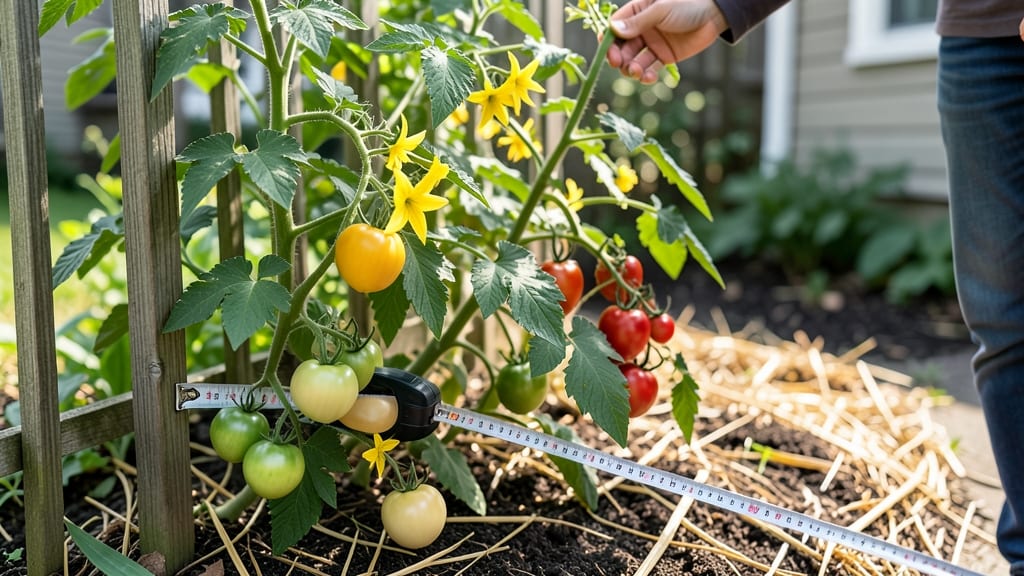
How high do tomato plants grow? They can range anywhere from 1 foot to over 12 feet tall, depending on the variety and how you train them 🍅—and knowing the difference can mean the difference between a manageable garden and a jungle of vines.
If you’ve ever wondered why your tomato plants seem to stretch toward the sky like overgrown vines—or why some varieties barely reach your waist—you’re not alone.
The height of tomato plants can vary dramatically, from compact dwarf varieties to towering giants, and understanding these differences is key to maximizing your garden’s potential.
Determinate tomatoes, like the classic Roma or Celebrity, stay compact, rarely exceeding 4 feet, while indeterminate types, such as Sungold or Brandywine, can climb to 10 feet or more if left unchecked.
The right support—whether a cage, stake, or trellis—can make all the difference in keeping your plants healthy and productive.
In this guide, I’ll break down the height ranges for common varieties, explain how pruning and training affect growth, and share tips to help you choose the perfect size for your space—whether you’re working with a balcony pot or a backyard plot.


Tomato plant height by variety: from dwarf to giant sizes
The height of your tomato plants depends entirely on the variety you choose, with some staying as short as 12 inches while others can reach 12 feet or more with proper care.
This dramatic range is why selecting the right type for your space is crucial—whether you're growing in containers, small gardens, or sprawling backyards. Genetics play the biggest role, but pruning, staking, and sunlight exposure can also influence how tall your plants grow.
Understanding these differences helps you plan your garden layout, choose the right support structures, and even predict how much harvest space you’ll need. For example, determinate varieties (bush types) are perfect for small spaces, while indeterminate varieties (vining types) thrive when trained vertically.
Let’s break down the height ranges and what they mean for your gardening goals.
Dwarf tomatoes like 'Tiny Tim' or 'Micro Tom' stay under 2 feet tall, making them ideal for container gardening on patios or windowsills. These varieties produce cherry tomatoes and are perfect if you’re limited on space. They require minimal support, though a small cage can help keep them upright during heavy fruit loads.
On the opposite end of the spectrum, indeterminate varieties like 'Sungold' or 'Brandywine' can grow 10 feet or more if left unchecked. These vining plants produce fruit continuously throughout the season, but their unlimited height means they need strong support systems like trellises or tall cages.
Without proper training, they’ll sprawl across your garden, taking up valuable space.
For gardeners with moderate space, determinate varieties like 'Celebrity' or 'Roma' strike a balance, typically reaching 3-5 feet. These bush-type tomatoes produce a single harvest before stopping growth, making them great for heirloom varieties or canning projects.
They don’t require staking but benefit from a light mulch to keep soil moist and prevent disease.
Your choice of tomato variety should align with your garden’s layout and your goals. If you’re growing for high yields, indeterminate types are winners—but they demand more attention.
For low-maintenance harvests, determinate or dwarf varieties are your best bet. Always check the seed packet or plant tag for mature height estimates to avoid surprises!
One often-overlooked factor is how pruning techniques can influence height. Even indeterminate plants can be kept shorter by pinching off suckers (the small shoots that grow between the stem and branches).
This redirects energy to fruit production rather than vertical growth. For dwarf varieties, pruning is less critical, but removing lower leaves improves airflow and reduces disease risk.
Finally, consider your climate zone. In warmer regions, indeterminate tomatoes may grow faster and taller due to longer growing seasons. In cooler areas, their growth might slow, but they’ll still benefit from season extenders like row covers.
Always match your tomato variety to your local conditions for the best results.
Now that you know the height ranges, you’re ready to pick the perfect tomatoes for your space—whether you’re dreaming of a tiny patio garden or a towering greenhouse full of vines. Happy planting! 🌱
How to control tomato plant height: pruning and support techniques
Managing tomato plant height is all about balance—giving your plants the support they need while preventing leggy, unruly growth. Without proper pruning and structural support, even indeterminate varieties can become top-heavy, leading to broken stems and lost fruit.
The key is to intervene early and use the right techniques for your specific tomato variety and growing conditions.
Most gardeners focus on two main strategies: pruning to control growth and support systems to guide it. For example, determinate tomatoes (like 'Roma' or 'Celebrity') rarely need pruning but benefit from sturdy cages, while indeterminate varieties (like 'Sungold' or 'Brandywine') thrive with regular pruning and trellises.
Let’s break down how to do both effectively to keep your plants productive and manageable.
Step-by-Step Guide to Managing Tomato Height
- 1 Choose the Right Support – Use cages (3-5 ft) for determinate varieties or trellises/stakes (6+ ft) for indeterminate types. For example, a 5-foot tomato cage works well for 'Better Boy,' while a 7-foot bamboo stake supports 'Cherokee Purple.'
- 2 Prune Indeterminate Varieties – Remove suckers (side shoots) weekly to redirect energy to fruit production. Focus on the main stem and primary branches, leaving only 3-4 stems per plant for airflow and sunlight penetration.
- 3 Train Vines Early – Gently tie main stems to supports at 12-inch intervals to prevent snapping. Use soft twist ties or cloth strips to avoid damaging the stem.
- 4 Monitor Growth Weekly – Check for overcrowding or pests like aphids, which can stress plants. Thin leaves near the base to improve airflow and reduce disease risk.
- 5 Avoid Common Mistakes – Never prune more than 30% of the plant at once, or you’ll shock the tomato. Also, avoid using metal stakes that can pierce stems—opt for wooden or plastic instead.
One of the biggest mistakes I see in gardens is over-pruning or using inadequate supports. For instance, a 6-foot indeterminate tomato left without a trellis will flop over, risking stem breaks and fruit rot.
Similarly, pruning too aggressively can reduce yields by removing too many leaves, which are essential for photosynthesis. The goal is to guide growth, not stifle it.
For container gardening, choose compact varieties like 'Tiny Tim' (1-2 ft tall) and use small cages or stakes. Even in pots, indeterminate types can grow tall—limit their height with regular pruning and topping (cutting the main stem) once they reach your desired height, usually 4-5 feet for containers.
Finally, remember that tomato height isn’t just about aesthetics—it directly impacts yield and disease resistance. Well-supported, pruned plants produce more fruit, ripen faster, and are less prone to fungal issues like blight. With these techniques, you’ll keep your tomato plants productive, manageable, and thriving all season long. 🌱✂️🪴