
Planting
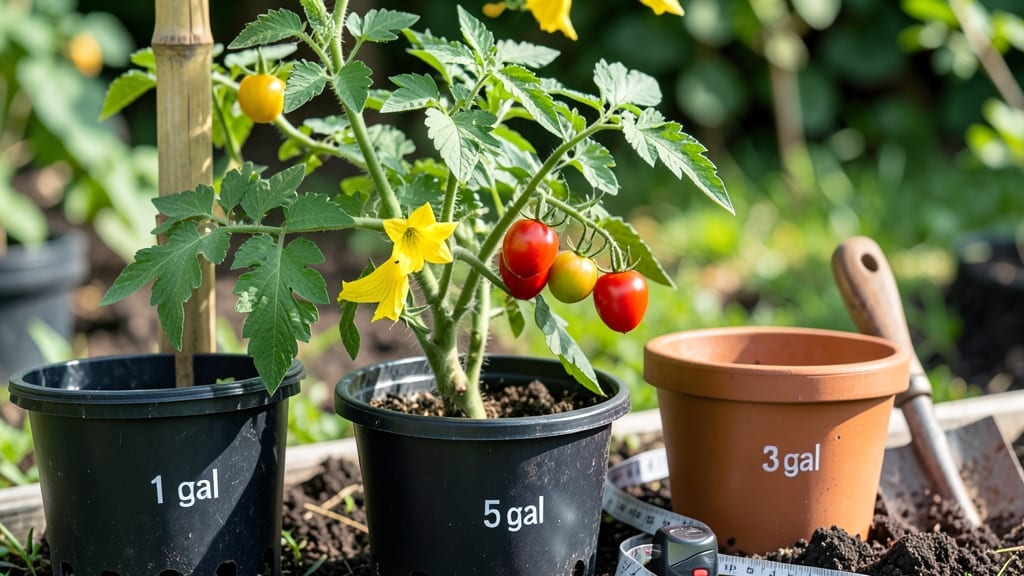
To determine the right pot size for a tomato plant, use a 5-gallon container for dwarf varieties, 10-gallon for indeterminate types, and at least 15-gallon for large heirloom or beefsteak tomatoes. Container depth matters more than width, with drainage holes essential to prevent root rot and ensure healthy growth.
Tomato plants thrive when their roots have enough space to spread—5-gallon pots work for compact varieties like 'Tiny Tim' or 'Patio Princess,' while 10-gallon containers support indeterminate vining types like 'Sungold' or 'Brandywine.' 🌱 For heirlooms or beefsteaks, the 15-gallon minimum prevents nutrient competition and encourages robust fruiting.
Fabric grow bags are ideal because they allow roots to breathe and dry faster, reducing rot risk. I always prioritize depth over width—tomatoes need at least 12 inches of soil to establish strong root systems, especially in hot climates where moisture evaporates quickly.
Pro tip: If you're growing multiple plants, opt for larger containers or use self-watering systems to maintain consistent moisture. Overcrowding stunts growth, so space plants 18-24 inches apart even in containers.
For heavy feeders like 'Beefmaster,' I recommend adding compost to the bottom third of the pot to replenish nutrients as the plant grows.
💡 In This Article
- Tomato Plant Pot Size by Variety and Root System
- Choosing the Best Containers for Tomato Plants
Tomato plant pot size by variety and root system
The right pot size directly impacts a tomato plant's growth because it determines how much root space and nutrients the plant can access. Determinate varieties like 'Roma' or 'Celebrity' grow in compact bushes and only need 5-gallon pots because their root systems stay shallow (typically 12-18 inches deep).
These plants focus energy on fruit production rather than vertical growth, so they thrive in smaller containers. 🌱
Indeterminate varieties like 'Cherry Tomatoes' or 'Brandywine' grow continuously and develop sprawling root systems that can reach 24-36 inches deep. That's why they need 10-gallon containers—the extra space accommodates their extensive roots while preventing nutrient depletion.
The deeper the pot, the better the plant can access moisture and minerals from lower soil layers, especially during hot summer months when evaporation rates increase.
Heirloom and beefsteak tomatoes like 'Big Beef' or 'Sungold' require 15-gallon pots because their massive vines and heavy fruit loads demand substantial root systems. These plants can produce 20+ pounds of tomatoes per season, so they need ample space to support their growth.
The root systems of these varieties can spread 3 feet wide if unchecked, which is why container depth becomes critical—roots need room to expand downward for stability and nutrient absorption.
Here's what happens when pot size is inadequate: roots become crowded, leading to competition for nutrients and water, which stunts growth and reduces fruit production.
This is called "root-bound stress," where roots circle the pot instead of growing outward. 🌿 In extreme cases, it can even cause the plant to collapse under its own weight. The solution?
Always choose pots that are 2-3 inches wider than the plant's mature root ball and prioritize depth over diameter.
Another key factor is the pot's material. Fabric grow bags, for example, allow roots to breathe and dry faster, reducing the risk of rot in heavy clay soil.
Plastic pots retain moisture longer, which can be better for drought-prone areas, while ceramic pots provide excellent insulation but may crack under extreme temperature fluctuations. Each material affects how quickly roots grow and how efficiently they absorb water and nutrients.
For maximum yield, I recommend adding a 3-4 inch layer of compost to the bottom of the pot before planting. This creates a nutrient-rich zone that roots can access early in the growing season, giving the plant a strong start.
Over time, the roots will naturally extend into the surrounding soil mix, ensuring a steady supply of nutrients throughout the growing season.