
How To
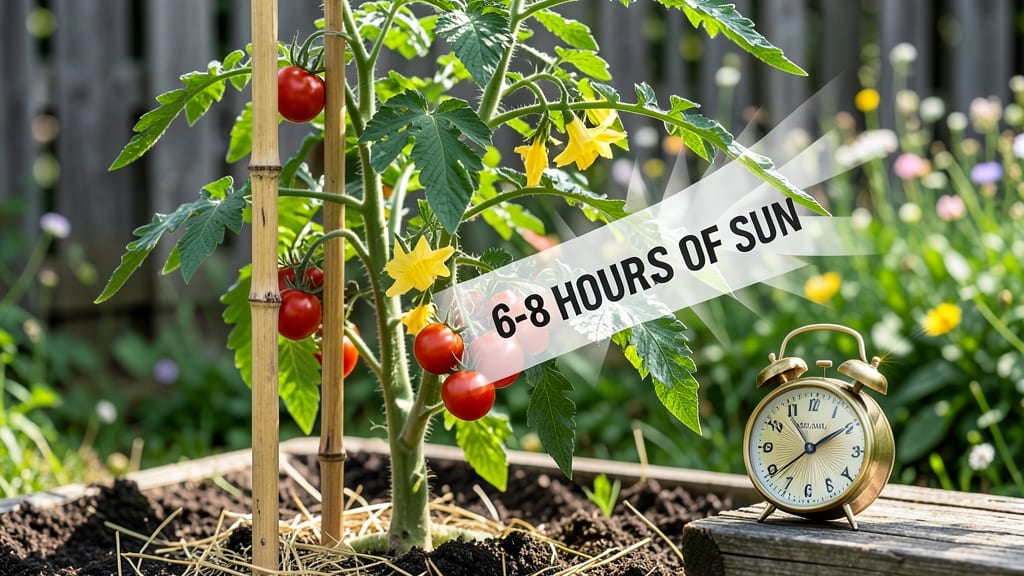
Do tomato plants need 6 to 10 hours of sun daily to thrive and produce flavorful fruit, but most gardeners overestimate what their plants can handle?
Picture this: you’ve spent weeks nurturing your seedlings, only to watch them bolt to flower too fast or produce bitter, undersized tomatoes. That’s often a sign of sunlight mismanagement—either too little or too much.
In this guide, I’ll break down the perfect balance of sunlight for your 🍅 plants, whether you’re growing determinate varieties in containers or sprawling indeterminate vines in your backyard.
You’ll learn how to spot signs of sun stress, adjust exposure for partial shade, and even protect your plants from scorching midday rays.
By the end, you’ll know exactly how to position your tomatoes for maximum yield—no guesswork, just a bountiful harvest.


Optimal sunlight hours for tomato plants: the science behind 6-10 hours daily
Tomatoes are sun-worshippers, and their growth stages depend entirely on proper light exposure.
While most varieties thrive with 6-10 hours of full sun daily, the exact needs vary by type and growth phase. Indeterminate varieties (like 'Sungold') need the most light to keep producing fruit all season, while determinate types (like 'Roma') can tolerate slightly less.
Understanding these differences is key to avoiding common issues like blossom end rot or stunted growth.
Sunlight isn’t just about quantity—it’s about quality. Tomatoes require direct sunlight, not filtered light through trees or shade cloth. Morning sun (6 AM–12 PM) is ideal because it warms the soil, while afternoon sun (12 PM–6 PM) helps with photosynthesis and fruit ripening.
Without enough light, plants become leggy and produce fewer flowers, leading to poor yields. Even 6 hours of sun can work for some varieties, but you’ll sacrifice flavor and productivity.
| Variety Type | Sunlight Needs | Growth Stage Requirements | Common Issues |
|---|---|---|---|
| Determinate (Bush) | 6-8 hours | Seedlings: 4-6 hrs; Flowering: 6-8 hrs; Fruiting: 6+ hrs | Blossom drop, small fruit |
| Indeterminate (Vining) | 8-10+ hours | Seedlings: 6+ hrs; Flowering: 8-10 hrs; Fruiting: 10+ hrs | Blossom end rot, weak stems |
| Cherry Tomatoes | 8-10 hours | All stages: 8+ hrs for optimal fruit set | Poor fruit development, cracked tomatoes |
| Heirloom Varieties | 7-9 hours | Seedlings: 6 hrs; Flowering: 7-8 hrs; Fruiting: 9 hrs | Slow ripening, low yield |
The seedling stage is the most delicate. Young tomato plants need 4-6 hours of sun daily to avoid becoming etoliated (tall and weak). Without enough light, seedlings stretch toward any available source, creating weak stems that snap easily. Once transplanted, they’ll need more light to recover.
During the flowering stage, 6-8 hours of sun is critical for pollination and fruit set. Too little light here leads to blossom drop, where flowers fall off before setting fruit.
When tomatoes reach the fruiting stage, they demand the most sunlight—8-10 hours daily for indeterminate varieties. This is when photosynthesis peaks, converting sunlight into energy for fruit development.
Without enough light, fruits may stay small, develop blossom end rot (a calcium deficiency caused by stress), or fail to ripen properly. Even partial shade during this stage can reduce yields by up to 50%.
For example, a 'Brandywine' tomato left in less than 6 hours of sun will produce fewer, smaller fruits with inferior flavor.
Too much sun, however, can also harm tomato plants. In hot climates (like the Southwest U.S.), afternoon sun (especially after 2 PM) can cause sunburn on leaves and fruit. Look for white or yellow patches on leaves or bleached spots on tomatoes—these are signs of excessive sunlight.
To mitigate this, use shade cloth (30-50%) during peak afternoon hours or plant tomatoes near tall plants (like corn) that provide natural shade. Even container-grown tomatoes need protection if placed in full afternoon sun.
Tomatoes also respond to light intensity. In high-altitude gardens (above 5,000 feet), sunlight is 20-30% more intense due to thinner air, which can scorch leaves faster. Here, morning sun is ideal, while afternoon light should be limited.
Conversely, in northern climates, long summer days mean tomatoes get 14-16 hours of daylight, but cloud cover reduces effective sunlight. In these areas, supplement with reflective surfaces (like white mulch or mirrors) to bounce extra light onto plants.
If you’re growing tomatoes in containers, sunlight needs are even more critical because pots heat up faster and dry out quicker. Place containers in the sunniest spot on your patio or balcony, rotating them weekly for even exposure.
Dark-colored pots absorb more heat, which can stress plants, so opt for light-colored containers to reflect excess heat. For balcony gardens, south-facing exposures get the most light, while east or west-facing spots may require supplemental grow lights during cloudy periods.
One common mistake is assuming that
How to adjust sunlight for different tomato varieties and growing conditions
Not all tomatoes thrive under the same sunlight conditions—what works for cherry tomatoes might scorch heirloom varieties, while hybrid plants often need extra protection in intense heat. The key is understanding how to modify sun exposure based on your specific tomato types and garden setup.
Whether you're dealing with partial shade gardens, container growing, or high-altitude challenges, small adjustments can mean the difference between a bountiful harvest and disappointing yields.
I’ve grown tomatoes in everything from urban balconies with limited sun to mountain gardens with intense UV exposure, and the tricks I’ve learned will help you tailor sunlight to your plants’ needs. From pruning techniques to strategic shade cloth use, we’ll cover practical solutions that actually work—no guesswork required.
- 6-8 hours of direct sun: Ideal for most tomato varieties, including heirlooms and hybrids. This range supports balanced growth and fruit production.
- 8-10 hours of sun: Needed for high-yielding hybrids and cherry tomatoes in hot climates. Provides energy for rapid fruiting.
- 4-6 hours of sun: Minimum for partial shade varieties like ‘Sungold’ or ‘Black Krim’. Use dappled shade or morning sun only.
- Adjust for containers: Potted tomatoes need more frequent watering and may require afternoon shade in intense sun to prevent leaf scorch.
- High-altitude tip: Add 1-2 extra hours of sun in mountain regions (thinner air reduces sunlight intensity).
For heirloom tomatoes, which often have thicker skins and slower growth, I recommend 6-7 hours of sun to prevent cracking while still encouraging flavor development. These varieties are more forgiving but still need consistent light—think of them like fine wine: they need time to mature in the right conditions.
In my own garden, I’ve found that ‘Brandywine’ and ‘Cherokee Purple’ thrive with morning sun and afternoon shade during peak summer heat.
When it comes to cherry tomatoes, the rule changes slightly. These fast-growing plants crave 8-10 hours of sun to produce their signature prolific yields.
I once grew ‘Sweet 100’ in a south-facing container garden and harvested 20 pounds in just 8 weeks—all because I gave them the full sun they needed. However, if you’re in a hot desert climate, providing afternoon shade with a 30% shade cloth can prevent sunscald on the fruits.
If you’re growing tomatoes in containers or small spaces, sunlight adjustments become even more critical. Containers heat up faster and dry out quicker, so I always place mine on elevated stands to improve airflow and rotate them weekly for even sun exposure.
For partial shade gardens, focus on morning sunlight (when UV rays are less intense) and use reflective mulch to bounce extra light onto the plants.
In my woodland garden, I’ve had success with ‘Stupice’ tomatoes under filtering oak trees, where they receive 4-5 hours of dappled sun.
Spotting sunlight deficiencies or excess isn’t rocket science—just watch for leaf color changes and growth patterns. Pale green or yellowing leaves signal insufficient sun, while brown, crispy edges or white patches mean too much direct sun.
I once had a ‘Early Girl’ plant that developed blossom end rot because it was getting scorching afternoon sun—a quick move to a shadier spot and a calcium spray saved the harvest. Always monitor your plants and adjust their position as the sun’s angle changes throughout the season.