
How To
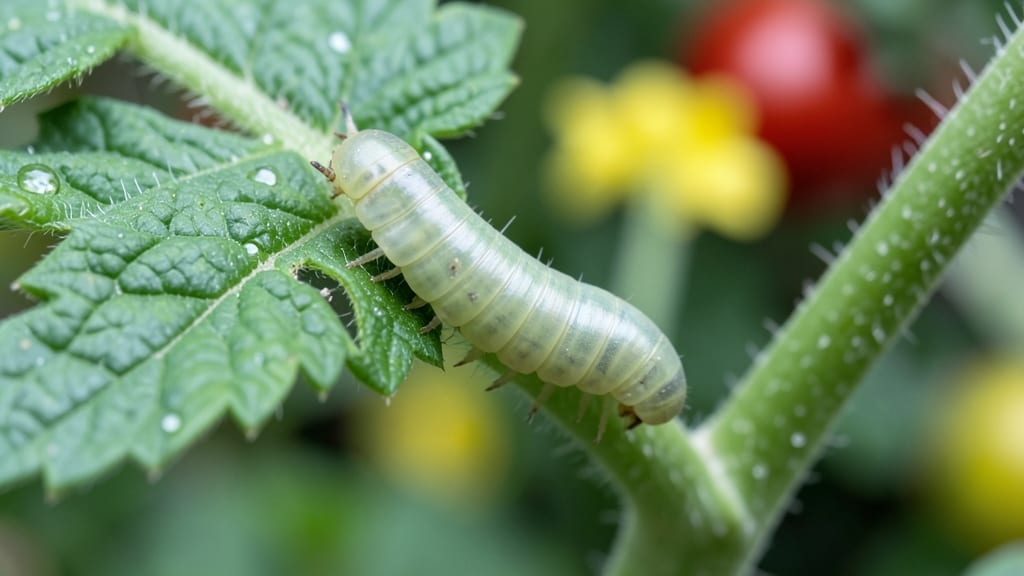
Finding tomato worms before they devour your plants saves you from a disastrous harvest—and it’s easier than you think. 🌱 These sneaky caterpillars hide in plain sight, but once you know where to look, spotting them becomes second nature.
The key is checking the right spots at the right times, and I’ll show you exactly how. Start with the undersides of leaves (their favorite hiding spot) and the top of plants where they feed. Early morning or late evening is prime time—they’re sluggish then, making them easier to spot.
Grab a flashlight or magnifying glass to inspect stems and fruit stems, where they often leave chewed holes or black droppings behind. Once you find them, act fast: handpick into soapy water or crush them on sight. A quick sweep through your plants every 3-4 days prevents them from multiplying.
For extra protection, introduce parasitic wasps (nature’s pest control) or spray neem oil as a deterrent. This method works for hornworms, loopers, and beetle larvae—the usual tomato plant troublemakers. With a little vigilance, you’ll keep your tomatoes thriving all season long.
Root Causes of Tomato Worms
Tomato worms—those pesky Manduca sexta (tomato hornworm) and Spodoptera exigua (beet armyworm) larvae—don’t just appear out of nowhere. Their presence is a direct result of environmental cues, plant health, and even your gardening habits.
Understanding why they target your tomatoes is the first step to outsmarting them. Below, we break down the key triggers that turn your lush tomato plants into a buffet for these ravenous critters.
Tomato worms are drawn to plants that are already struggling—or overripe. Here’s why:
- Sugar-rich fruit: As tomatoes ripen, their sugar content spikes, making them irresistible to hornworms. A single ripe tomato can attract a dozen worms overnight.
- Damaged leaves: Stress signals (like drought, nutrient deficiencies, or physical damage) trigger plants to release volatile organic compounds (VOCs). These chemical "SOS" signals attract hornworm moths, which lay eggs on stressed plants.
- Poor air circulation: Dense foliage traps moisture, creating the perfect humid microclimate for egg-laying moths. If your tomatoes are crowded, worms thrive.
Actionable fix: Prune plants for airflow, harvest tomatoes promptly, and avoid overwatering. Pro tip: 💡 Use reflective mulch (like aluminum foil) to deter moths—they’re confused by the glare!
Tomato hornworm moths aren’t random egg-layers—they’re highly strategic. Their night vision and scent-tracking abilities make them expert hunters. Here’s how they find your garden:
- Moonlight + CO₂ trails: Moths use the moon as a guide (a phenomenon called transverse orientation) and follow the CO₂ exhaled by healthy tomato plants. The darker your garden, the easier it is for them to spot your crop.
- Floral scents: Tomato flowers release jasmonates, a compound that mimics the scent of hornworm pheromones. Moths mistake it for a mating signal and investigate.
- Artificial lights: Outdoor lights (especially yellow or white bulbs) disorient moths, causing them to spiral downward—right into your tomato patch.
Actionable fix: Install bug zappers with UV blacklights (they trap moths instead of attracting them) or switch to red or amber LED lights, which moths avoid. Pro tip: ✨ Plant basil or marigolds nearby—their strong scents mask tomato aromas.
Tomato worms love warmth and moisture—two conditions that create the ideal nursery for their eggs and larvae. Here’s the science:
- Egg viability: Hornworm eggs hatch in 3–5 days when temperatures exceed 75°F (24°C). Below 60°F (15°C), they fail to hatch. Humidity above 70% keeps newly hatched larvae hydrated.
- Fungal resistance: High humidity prevents beneficial fungi (like Beauveria bassiana) from infecting worm eggs, giving them a survival advantage.
- Soil warmth: Dark, moist soil retains heat, accelerating larval growth. Worms burrow into the soil to pupate, emerging as moths in 2–3 weeks.
Actionable fix: Mulch with straw (not plastic) to regulate soil temperature and reduce humidity. Pro tip: 🌡️ Use row covers during heatwaves to break the worm life cycle.
In a balanced ecosystem, tomato worms face a gauntlet of predators—birds, parasitic wasps, and even other insects. But modern gardening often disrupts this harmony:
- Pesticide overuse: Broad-spectrum insecticides kill both worms and their predators (like ladybugs and lacewings), creating a vacuum that worms fill.
- Monoculture planting: Growing only tomatoes eliminates diverse habitats where predators (e.g., Trichogramma wasps) thrive.
- Urbanization: Fewer perching spots for birds (like shrubs or fences) mean fewer worm-snacking opportunities.
Actionable fix: Introduce beneficial nematodes (Steinernema carpocapsae) or plant dill, fennel, or parsley to attract predatory wasps. Pro tip: 🦋 Hang birdhouses near your garden—even sparrows will hunt worms!
Quick Fixes for Tomato Worms
Once you’ve spotted those pesky tomato worms (likely hornworms or Colorado potato beetle larvae), it’s time to act fast before they devour your plants. Here’s how to tackle the problem based on the cause—and how to keep them from crashing your garden party next season.
Cause: Hornworms or cutworms munching away. Fix:
- Handpick at dawn or dusk (🌅🌇) when they’re sluggish. Drop them into soapy water—no mercy!
- Release natural predators like parasitic wasps (they lay eggs inside the worms—yikes, but effective!) or ladybugs.
- Neem oil spray (🌿): Mix 1 tbsp neem oil + 1 tsp mild soap in 1 quart water. Spray leaves thoroughly every 3–5 days. Pro tip: Reapply after rain.
Prevention:
- Plant basil or marigolds near tomatoes—hornworms hate the scent.
- Use row covers (🛡️) early in the season to block egg-laying moths.
Cause: Colorado potato beetle larvae (those orange, spiky caterpillars). Fix:
- Bacillus thuringiensis (Bt) (🦠): A natural bacteria that kills larvae when ingested. Spritz on leaves—safe for pets and humans!
- Diatomaceous earth (🪨): Sprinkle food-grade DE around plants. It dehydrates the bugs (but reapply after watering).
- Yellow sticky traps (🎯): Lure adult beetles away before they lay eggs.
Prevention:
- Rotate crops—don’t plant potatoes or tomatoes in the same spot yearly.
- Remove plant debris in fall to eliminate overwintering beetles.
Cause: Heavy infestation or resistant pests. Fix:
- Combine methods: Handpick + Bt + row covers for a 1-2-3 punch.
- Introduce nematodes (🐛✨): Microscopic beneficial nematodes (like Heterorhabditis bacteriophora) hunt larvae in the soil. Water them in at dusk.
- Coffee grounds (☕): Sprinkle used grounds around plants—the caffeine disrupts their digestive systems.
Prevention:
- Inspect plants weekly (🔍)—early detection = easier wins.
- Encourage biodiversity: A thriving garden with bees, birds, and beneficial insects deters pests naturally.
If your tomatoes are already half-eaten:
- Prune heavily damaged leaves (✂️) to redirect energy to fruit.
- Apply kaolin clay (🏋️): A non-toxic spray that coats leaves, making them unappetizing to pests.
- Sacrifice a trap plant: Plant a few extra tomato seedlings nearby—worms will go for those first.
💡 Pro Tip: Keep a garden journal! Note when/where worms appear to predict patterns and adjust your strategy next year. Happy hunting—and happy harvesting! 🍅🎉
Frequently asked questions
What's the best time of day to check for tomato worms?
Early morning or late evening is ideal because tomato worms are less active during these cooler times. They hide in leaf axils and stems when the sun is bright, making them harder to spot. A quick 10-minute inspection at dawn or dusk can reveal hidden pests before they cause major damage.
How do I tell the difference between tomato worms and other caterpillars?
Tomato worms (like hornworms) are typically green with white stripes or orange with black spots (Colorado potato beetle larvae). Look for chewed leaves with ragged edges and black droppings on the soil below. Unlike beneficial caterpillars, these pests grow up to 4 inches long and devour entire leaves overnight.
Can I use soapy water to kill tomato worms safely?
Yes! Mix 1 tablespoon mild dish soap with 1 quart water and drop worms into the solution—they'll dissolve instantly. This method is chemical-free and won't harm your plants. For large infestations, spray the solution directly on leaves (avoid flowers) to deter egg-laying moths. Always test on a small leaf area first.
What should I do if I find tomato worms on my ripe tomatoes?
Harvest the affected fruit immediately and inspect it for damage. If the worms are on the fruit, drop them in soapy water. For the plant, apply neem oil or kaolin clay to protect remaining tomatoes. Worms on ripe fruit mean the moths are actively laying eggs—check nearby plants daily for new larvae.
Will tomato worms come back every year if I had them once?
Yes, but you can break the cycle! Remove all plant debris in fall (where pupae overwinter), use row covers early in spring, and introduce parasitic wasps or beneficial nematodes. Healthy plants with good airflow are less attractive to moths. Consistent prevention reduces recurrence by 80% over time.