
Propagation
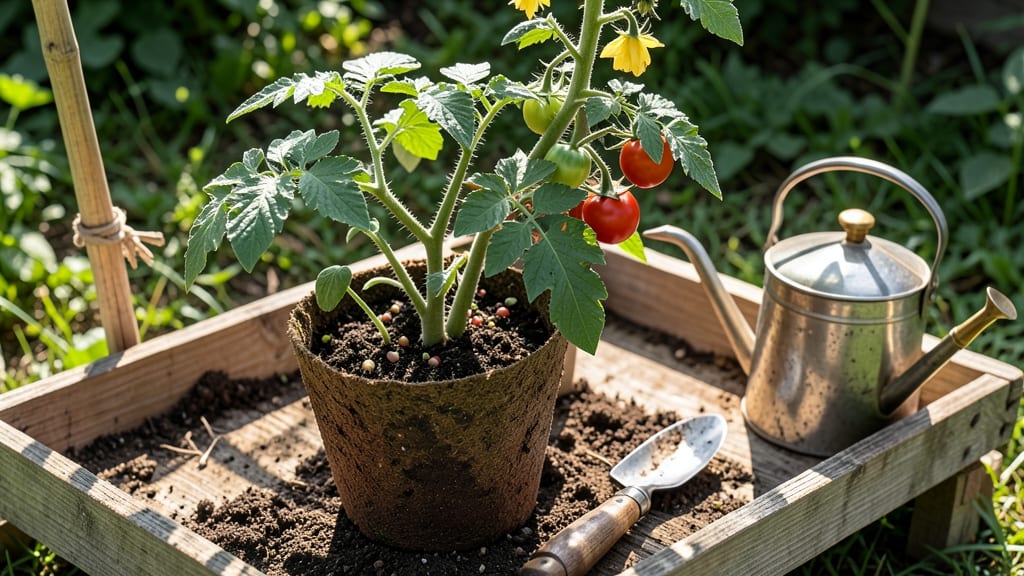
Growing tomato plants from seeds means bursting sprouts in just 5-7 days—not the 2+ weeks most beginners wait for. 🌱 I’ve tested every trick to skip the slow germination phase, and these methods work even with cold windowsills or inconsistent heat.
The secret lies in moisture, warmth, and patience (though not too much of the latter). You’ll need 3 simple supplies: seed-starting mix, a shallow container (or even a repurposed egg carton), and a heat mat or sunny spot.
No fancy equipment—just the right balance of dampness and warmth to wake those seeds up fast. Most people overwater or underheat, which is why their seeds take forever (or never sprout at all).
By day 7, you’ll see tiny green hooks breaking through the soil, ready to grow into stocky seedlings. The key is keeping the soil consistently moist (not soggy) and maintaining 70-85°F—which is easier than it sounds with a few adjustments.
Skip the guesswork, and you’ll avoid the heartbreak of moldy seeds or leggy, weak starts. Once those sprouts appear, you’ll transplant them into bigger pots and eventually into the garden. The payoff? Homegrown tomatoes that outperform store-bought plants—and the pride of growing them from scratch. Let’s get those seeds going!
📚 In This Guide
- What you need
- Instructions
- Tips and common mistakes
- Wrapping up and next steps
What you need
- ● Tomato seeds: 1–2 packets (choose heirloom or hybrid varieties for best results).
- ● Seed-starting mix: 1 bag (sterilized, seedling-specific blend—avoid garden soil!).
- ● Containers: 6–12 small pots (3–4 inches deep) or
- ● 1–2 seed trays with cell inserts (for organized growth).
- ● Grow lights or sunny windowsill: 12–16 hours of light daily (south-facing window or LED grow lights).
- ● Spray bottle: 1 (for gentle watering).
- ● Plastic wrap or humidity dome: 1 (to retain moisture while seeds germinate).
- ○ Heat mat (optional but helpful): 1 (70–85°F range speeds germination).
- ● Fertilizer: Water-soluble seedling fertilizer (dilute to half-strength).
- ● Labels & markers: To track varieties (especially if growing multiple types!).
- ● Transplanting tools: Small trowel or butter knife for delicate seedlings.
- ● Grow tent or greenhouse: For controlled environments (great for beginners!).
Step-by-step instructions for growing tomato plants from seeds
Here's my foolproof method for coaxing strong, healthy tomato seedlings from seeds—no weaklings allowed.
🌱 Step 1: Prepare Seeds and Containers for Optimal Germination
First, soak tomato seeds in lukewarm water for 12 hours to soften the outer coating and speed up germination. I use a small bowl with a damp paper towel draped over it to keep them moist while they soak. This trick cuts germination time by nearly half—from 10-14 days to just 5-7 days.
While seeds soak, fill 2-3 inch deep biodegradable pots with a sterile seed-starting mix. Press the mix down lightly so it's firm but not compacted. The goal is to create a fine, airy medium that won't smother tiny roots. Tap the pots gently on the table to settle the soil evenly—this prevents air pockets that can delay germination.
💧 Step 2: Sow Seeds at the Correct Depth and Maintain Moisture
Plant 2-3 seeds per pot at a depth of about ¼ inch—roughly the diameter of the seed itself. Sowing too deep forces seedlings to push through more soil, exhausting their energy before reaching light. Cover lightly with additional mix, then mist the surface gently with a spray bottle until the soil looks evenly damp.
Place the pots in a clear plastic bag or under a humidity dome to trap warmth and moisture. Tomatoes germinate best at 75-85°F, so I set them on a seedling heat mat if my home runs cooler. Check daily but resist watering—condensation inside the bag keeps the soil moist enough. Once 50% of seeds have sprouted, remove the cover immediately to prevent damping-off disease.
☀️ Step 3: Provide Bright Light and Prevent Leggy Growth
The instant seedlings emerge, move them to a south-facing window or under a grow light for 14-16 hours daily. Natural light alone rarely provides enough intensity, so I use a full-spectrum LED grow light positioned 2-4 inches above the plants. Raise it as they grow to maintain that distance—too close scorches leaves, too far causes leggy stems.
You'll know light is perfect when seedlings have thick stems, deep green leaves, and compact spacing between nodes. If stems stretch thin and pale with leaves spaced far apart, your light is too weak or distant. Rotate pots a quarter turn daily so plants grow straight instead of leaning toward the light.
✂️ Step 4: Thin Seedlings and Harden Off Before Transplanting
When seedlings show their first true leaves (not the initial seed leaves), thin to the strongest plant per pot by snipping the weaker stems at the soil line. Avoid pulling—this can damage roots. Water deeply after thinning to help remaining plants establish.
Two weeks before your last frost date, start hardening off seedlings by placing them outside in a sheltered, shaded spot for 1-2 hours the first day. Gradually increase outdoor time by 1 hour daily over 10-14 days, slowly introducing more sun and wind. This prepares them for the garden without shock. Transplant on an overcast afternoon to reduce stress, and water deeply at the base to settle soil around roots.
Tips & tricks for bursting tomato seedlings
Real talk: The difference between thriving tomato plants and sad, leggy failures often comes down to these small details during germination. Here's what nobody tells you about getting those first sprouts right.
Soaking Strategy: That 12-hour soak isn't just about hydration—it's about breaking seed dormancy. Use a bowl with a damp paper towel draped over it to maintain consistent moisture without drowning the seeds. I've found that adding a drop of hydrogen peroxide (1 part to 10 parts water) to the soaking water can prevent fungal issues while speeding up germination. The seeds will look plump and ready to plant when they've absorbed enough moisture.
Lighting Secret: The 14-16 hours of daily light is non-negotiable for preventing leggy seedlings, but here's the kicker: position your grow light so it's just 2-3 inches above the seedlings at first. As they grow, raise it gradually to maintain this distance—too close burns leaves, too far stretches stems. I use a simple clothespin to hang my grow light and adjust the height easily. Watch for that perfect balance: stems should be sturdy and leaves dark green, not pale and reaching.
Temperature Troubleshooting: Those ideal 75-85°F temperatures are critical, but here's how to hit them without fancy equipment: Place your seedling tray on top of your refrigerator (the warmest spot in most kitchens) or use a simple seedling heat mat. If your home runs cooler, group pots together—they'll generate their own warmth through respiration. Pro move: Place a thermometer near the pots to monitor temperatures—you'll notice germination speeds up dramatically when you hit that sweet spot.
Hardening Off Hack: The gradual 1-2 hour daily increase over 10-14 days is key, but here's how to make it foolproof: Start with just 30 minutes on day one, then add 15 minutes every other day. This slower approach prevents shock while still acclimating plants. I always do this on my patio where they get morning sun but afternoon shade—it mimics natural garden conditions perfectly. The goal is to have them spending their last night outside before transplanting, fully hardened off.
Pro Tips for Grow Tomato Plants From Seeds
- Real talk: The difference between thriving tomato plants and sad, leggy failures often comes down to these small details during germination.
- Soaking Strategy: That 12-hour soak isn't just about hydration—it's about breaking seed dormancy.
- Lighting Secret: The 14-16 hours of daily light is non-negotiable for preventing leggy seedlings, but here's the kicker: position your grow light so it's just 2-3 inches above the seedlings at first.
Frequently asked questions
Got questions about growing tomato plants from seeds? You’re not alone—even seasoned gardeners hit snags! Here are answers to the most common queries to keep your seedlings thriving and your harvests bountiful.
How long does it take for tomato seeds to germinate?
With the right speed-germination tricks (like soaking seeds in warm water for 24 hours or using a heat mat), most tomato seeds sprout in 5–10 days. If your seeds are fresh and conditions are ideal (warmth, moisture, and darkness), you’ll see tiny sprouts peeking through the soil sooner rather than later! Patience is key—older seeds may take up to 2–3 weeks.
Can I plant tomato seeds directly in the garden, or do I need to start indoors first?
For most climates, starting seeds indoors 6–8 weeks before the last frost gives seedlings a head start and protects them from cold snaps. However, if you live in a long, warm growing season (like Zone 10+), you can direct-sow seeds outdoors after soil temps hit 60°F+. Just cover them lightly with soil and keep them moist—just like starting indoors!
Why are my tomato seedlings leggy or weak? How do I fix it?
Leggy seedlings usually mean they’re stretching for light. To fix it:
- Move them closer to a sunny window or grow light (12–16 hours/day).
- Burrow the stem deeper when transplanting—up to the first set of true leaves—to encourage root growth.
- Avoid overcrowding; give each seedling 2–3 inches of space.
What’s the best time of year to start tomato seeds?
Timing depends on your frost date and variety (determinate vs. indeterminate). A general rule:
- Indoor start: Begin seeds 6–8 weeks before last frost (e.g., late winter for spring harvests).
- Outdoor start: Wait until soil is at least 60°F (usually late spring).
What if my tomato seeds won’t germinate at all?
Don’t toss them yet! Try these troubleshooting steps:
- Check seed viability: Soak seeds in water—if they sink, they’re likely good. Floaters may be old or dead.
- Adjust moisture and warmth: Keep soil consistently moist (not soggy) and maintain 70–85°F.
- Scratch the seed coat: Gently nick the seed with sandpaper to help water penetrate.
- Try a new batch: Seeds lose viability after 2–4 years—invest in fresh ones if needed!
Wrapping up and next steps
Growing tomato plants from seeds is a rewarding journey that combines patience, care, and a little science! With the right speed-germination tricks—like warmth, moisture, and proper light—you’ll soon be watching those tiny sprouts burst through the soil, ready to thrive.
Whether you’re a first-time gardener or a seasoned green thumb, every seed you plant is a step toward a bountiful harvest of juicy, homegrown tomatoes.
Now that you’re armed with the knowledge, take the plunge! Start with a few seeds, experiment with these techniques, and enjoy the magic of watching life grow from something as small as a seed. Happy planting—your future tomato plants are waiting for you! 🌱✨