
Companion Plants
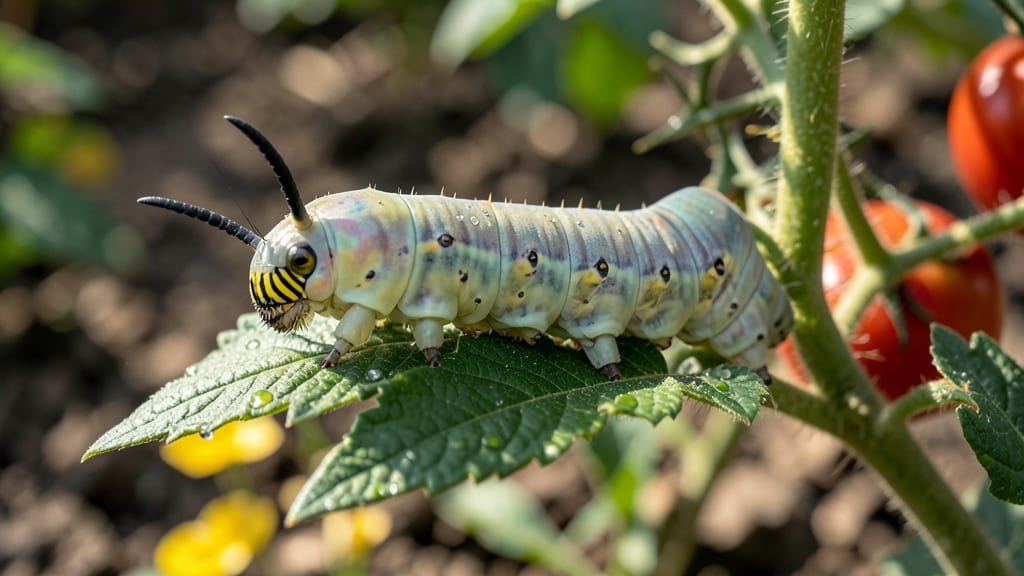
That huge caterpillar on your tomato plant isn't just a nuisance—it's a hornworm, and if left unchecked, it can strip your plants bare in days. 🌱 I've battled these striped bandits for years, and I'll show you how to stop them without reaching for harsh chemicals that harm your garden ecosystem.
The key is acting fast: handpicking in the morning, using BT (Bacillus thuringiensis) spray as a biological weapon, or introducing natural predators like parasitic wasps. My plants recover fully when I catch hornworms early—no defoliation, no lost harvests.
You'll learn to identify these pests before they cause damage, plus prevention tricks like companion planting with basil or marigolds. The goal is a thriving tomato patch without the chemical warfare.
Works for home gardeners, container growers, and anyone tired of losing tomatoes to these hungry invaders. Let's get your plants back on track!
The Real Culprits Behind Giant Caterpillars
Encountering a huge caterpillar munching away on your tomato plants can feel like a nightmare, especially when you’ve poured so much care into your garden. But why does this happen? The answer lies in a mix of environmental factors, plant attractiveness, and the life cycles of specific pests.
Let’s break down the key reasons these unwelcome guests show up in your garden—and how their presence is often a sign of a thriving (but hungry) ecosystem.
Tomato plants produce fruit that ripens unevenly, leaving some tomatoes soft, overripe, or even injured by weather, birds, or other pests. These vulnerable fruits become a magnet for caterpillars, particularly species like the Hornworm (Manduca sexta) or Tomato Fruitworm (Helicoverpa zea). Why? Because:
- Soft texture = easy entry. Caterpillars don’t need to chew through tough skins; they slip inside and feast on the juicy interior.
- Fermentation attracts them. Overripe tomatoes emit ethanol and sugars, mimicking the scent of rotting fruit—nature’s way of signaling "easy meal."
- Hornworms target young, tender growth. They prefer green tomatoes because the high water content makes them easier to digest.
Actionable fix: Harvest tomatoes promptly, especially as they near ripeness. Remove any bruised or split fruit immediately—even a single damaged tomato can lure a dozen caterpillars.
Tomato plants thrive when given plenty of water, sunlight, and nutrients—but this same abundance can also invite caterpillars. Here’s why:
- More leaves = more hiding spots. Dense foliage provides perfect camouflage for caterpillars, protecting them from birds and spiders (their natural predators).
- Nitrogen-rich soil = faster growth = more food. Fast-growing tomato plants produce tender new leaves and stems, which are highly nutritious for caterpillars.
- Weak stems attract egg-laying moths. Some species, like the Tomato Hornworm, prefer plants that are slightly stressed (e.g., from overwatering or poor drainage), as the sap becomes more concentrated and palatable.
Actionable fix:
- Prune plants regularly to reduce hiding spots and improve air circulation.
- Avoid over-fertilizing with nitrogen—opt for a balanced fertilizer (10-10-10 or 5-5-5) to promote sturdy growth.
- Mulch with straw or grass clippings to stabilize soil moisture and prevent waterlogged roots.
The caterpillars you see today are the larvae of moths—and moths are highly selective about where they lay their eggs. If your tomato plants are suddenly overrun, it’s likely because:
- Your garden is a moth hotspot. Moths like the Five-spotted Hawk Moth (Hornworm’s parent) are drawn to gardens with night-blooming flowers (e.g., petunias, jasmine) or white/yellow flowers, which they mistake for moonlight.
- Tomatoes release volatile organic compounds (VOCs). When tomatoes are stressed (drought, heat, or pest damage), they emit chemical signals that attract egg-laying moths—almost like a distress call.
- Monoculture gardens = moth buffets. Planting only tomatoes (or large patches of the same plant) makes it easier for moths to find and colonize your garden.
Actionable fix:
- Add moth-repelling companion plants like basil, marigolds, or Dill (which attract predatory wasps).
- Use yellow or blue LED lights at night—moths are less attracted to these wavelengths than white light.
- Interplant tomatoes with basil or thyme, which mask tomato odors and confuse moths.
Caterpillar outbreaks aren’t random—they’re often tied to specific weather patterns and seasonal changes:
- Warm, humid summers = caterpillar boom. Temperatures between 75–85°F (24–29°C) are ideal for moth reproduction and larval growth. A sudden heatwave can trigger a population explosion in just weeks.
- Rain followed by dry spells = stressed plants. Fluctuating moisture levels weaken tomato plants, making them more susceptible to pest attacks.
- Early planting = longer growing season for pests. If you plant tomatoes before the last frost, caterpillars have more time to mature and reproduce.
Actionable fix:
- Monitor local weather forecasts and plan for early interventions if a heatwave is predicted.
- Use row covers in early spring to block moths from laying eggs.
- Stagger plantings to break the pest life cycle—don’t put all your tomatoes in the ground at once.
Understanding why these caterpillars appear is the first step to outsmarting them. The good news? Most solutions are simple, chemical-free, and even beneficial for your garden’s ecosystem. Stay tuned for our next section on natural predators and DIY traps to keep your tomato plants safe!
Quick Fixes for Garden Invaders
Spotting a huge caterpillar munching on your tomato plant can feel like a nightmare—especially when you’re dreaming of juicy, vine-ripened fruit. But don’t panic! With the right approach, you can reclaim your garden naturally, without reaching for harsh chemicals.
Below, we’ll break down the most effective solutions, tailored to the most common causes of these leafy intruders.
If you’ve got a few stragglers, the simplest (and most satisfying) fix is to remove them by hand. This method works best for hornworms, tomato fruitworms, or other large caterpillars that love to dine on your plants.
- 👨🍳 Timing is everything: Early morning or late evening is ideal—caterpillars are sluggish and easier to spot when they’re not basking in the sun.
- 🔪 Grab and go: Use gloves (to avoid getting icky) and pluck the caterpillar off the plant. Drop it into a bucket of soapy water—this ensures they won’t wriggle back onto your tomatoes.
- ⏰ Repeat daily: Check your plants every 1-2 days, especially after rain or when new leaves sprout. Caterpillars multiply fast!
Pro Tip: 💡 If you’re squeamish about squishing, consider relocating them to a far-off part of your yard (if you’re kind-hearted) or feeding them to chickens or birds.
Instead of fighting caterpillars with chemicals, harness their natural predators. These eco-friendly allies will keep your tomato plants safe while adding balance to your garden ecosystem.
- 🐞 Ladybugs and Lacewings: Release these beneficial insects near your tomato plants. They love munching on caterpillar eggs and young larvae.
- 🦋 Parasitic Wasps: Tiny but mighty, these wasps lay eggs inside caterpillars, eventually killing them. They’re selective and won’t harm your plants.
- 🐸 Frogs and Toads: Attract them with a small pond or shallow dish of water. They’ll happily snack on caterpillars (and other pests) at night.
Pro Tip: 🌡️ For best results, introduce these predators in the early morning or evening when temperatures are cooler—they’re less stressed and more likely to stick around.
If caterpillars are already feasting, a natural spray can deter them without harming your plants or beneficial insects. Here are two easy DIY recipes:
1. Spicy Pepper Spray (🌶️)
Capsaicin—the compound that makes peppers hot—is a caterpillar’s worst nightmare.
- Blend 2-3 hot peppers (like jalapeños or cayenne) with 1 quart of water.
- Strain the mixture and add 1 tsp of dish soap (helps it stick to leaves).
- Spray directly on caterpillars and leaves, focusing on the undersides where they hide.
- Reapply every 3-5 days or after rain.
Pro Tip: ✨ Wear gloves when handling peppers—this spray can irritate skin!
2. Neem Oil Solution (🌿)
Neem oil disrupts caterpillars’ feeding and growth cycles while being safe for most plants.
- Mix 1 tbsp neem oil with 1 tsp mild dish soap and 1 quart of water.
- Shake well and spray evenly on leaves (top and bottom).
- Apply in the evening to avoid burning plants in direct sunlight.
- Repeat every 7-10 days or as needed.
Pro Tip: 🎯 Test neem oil on a small leaf first—some tomato varieties are sensitive to it.
The best way to deal with caterpillars? Stop them from moving in in the first place. Here’s how to keep your tomato plants pest-free:
- 🌱 Plant Companion Crops: Interplant tomatoes with basil, marigolds, or onions. These repel pests naturally and improve plant health.
- 🕷️ Use Row Covers: Lightweight fabric barriers keep caterpillars out while allowing sunlight and water through. Remove when flowers appear to encourage pollination.
- 🌙 Rotate Plantings: Avoid growing tomatoes (or other nightshades) in the same spot year after year. This disrupts caterpillar life cycles.
- 🌿 Encourage Diverse Wildlife: A healthy garden attracts birds, bats, and predatory insects—all of which keep caterpillar populations in check.
- 🍃 Remove Debris: Clear fallen leaves and plant waste from your garden. These provide hiding spots for caterpillar eggs and larvae.
Pro Tip: 💡 Healthy plants resist pests better! Water deeply, fertilize with compost, and prune regularly to keep tomatoes strong and less appealing to caterpillars.
With these strategies, you’ll be well on your way to a caterpillar-free tomato harvest. Remember, consistency is key—check your plants regularly, act fast, and let nature help you keep your garden thriving!
Frequently asked questions
Why do I keep finding huge caterpillars on my tomato plants?
These are likely hornworms or tomato fruitworms, which thrive in warm weather and love tender tomato leaves. They're drawn to healthy, fast-growing plants with plenty of foliage for hiding. Check for small eggs on leaf undersides too—they hatch into caterpillars within days.
Are these caterpillars harmful to my tomato harvest?
A single hornworm can devour entire leaves overnight, and fruitworms burrow into tomatoes. If left uncontrolled, they'll weaken your plants and reduce yields. Act fast—remove visible caterpillars immediately and use preventive measures like neem oil or companion planting.
How can I tell if a caterpillar is a hornworm?
Hornworms are easy to spot: they're green with white diagonal stripes and have a horn-like projection at their rear. They grow up to 4 inches long! Look for them hiding among leaves during the day—they become active at dusk when they start feeding.
Will birds or other wildlife eat these caterpillars?
Yes! Birds, toads, and parasitic wasps naturally control caterpillar populations. To attract them, add a shallow water dish for birds, keep your garden free of pesticides, and plant diverse vegetation. The more wildlife-friendly your garden, the fewer caterpillars you'll see.
Can I use chemical pesticides safely on my tomato plants?
While chemical pesticides work quickly, they can harm beneficial insects and contaminate your tomatoes. For edible plants, always choose organic options like spinosad or BT (Bacillus thuringiensis). Apply in the evening when pollinators are less active, and follow label instructions carefully.