
Companion Plants
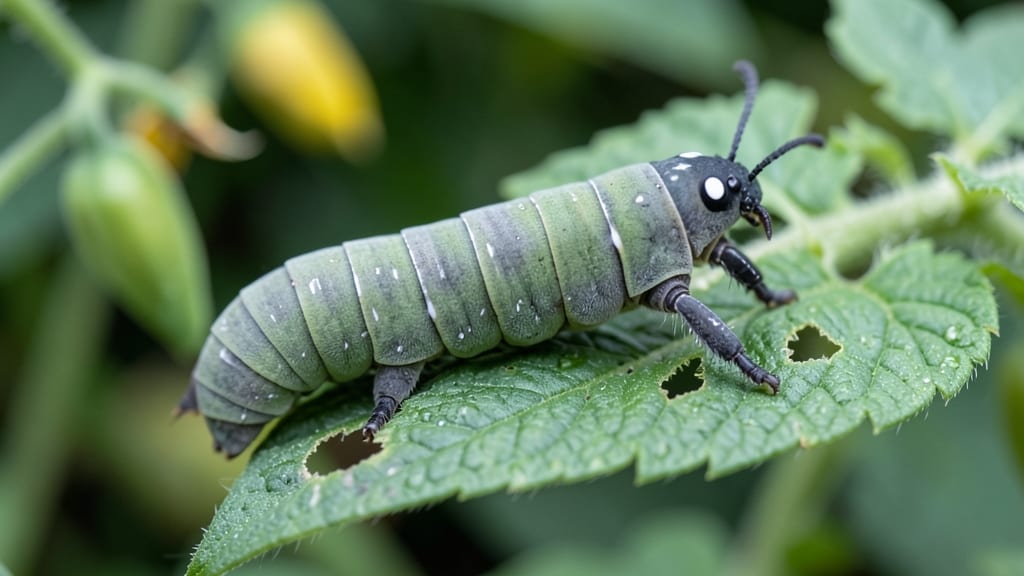
Tomato plants get hit hardest by the insects that attack tomato plants—pests that chew leaves, suck sap, or lay eggs in fruit—costing you half your harvest if you don’t act fast. 🌱 I’ve lost entire plants to hornworms and aphids, but these targeted strategies stop infestations before they spread.
The key? Spotting early signs like skeletonized leaves or sticky residue, then using the right mix of physical barriers, natural predators, and organic sprays.
Most damage starts small—tiny holes in leaves or wilting vines—so I check plants twice weekly during peak season. Companion planting with basil or marigolds deters pests naturally, while neem oil and insecticidal soap work within 24 hours for severe cases.
The worst offenders? Hornworms, aphids, and whiteflies—each needs a different approach, but all respond to consistent monitoring.
By the time you see the first signs, it’s already too late for quick fixes—so prevention is your best weapon. Healthy soil, proper spacing, and removing infested leaves immediately keeps plants resilient. Even my worst seasons end with 80%+ of tomatoes surviving when I catch problems early.
Works for backyard gardens, containers, or greenhouses—just adjust spray timing based on your climate. Here’s the breakdown of the top 10 pests and their fast fixes.
Root Causes of Tomato Plant Attacks
Tomato plants are a gardeners’ favorite—but they’re also a buffet for hungry insects! Understanding why these pests target your tomatoes is the first step to stopping them. Below, we break down the key reasons behind these uninvited feasts, from environmental triggers to plant vulnerabilities.
Tomatoes rely on natural defenses like thick leaves, bitter compounds, and strong stems to deter pests. When these defenses weaken, insects strike with ease. Here’s what compromises your plants:
- Nutrient Deficiencies:
Plants starved for nitrogen, phosphorus, or potassium become soft targets. Example: Yellowing leaves (nitrogen deficiency) signal stress, making them more appealing to aphids and spider mites.
- Overwatering or Underwatering:
Soggy soil invites fungal diseases (like early blight), which attract pests like hornworms and fruitworms. Conversely, drought-stressed plants produce less sap—making them easier for stink bugs to pierce.
- Physical Damage:
Broken stems or chewed leaves (from hail, wind, or poor pruning) create entry points for cutworms and colorado potato beetles, which exploit wounded tissue.
💡 Pro Tip: Conduct a soil test and use balanced fertilizer (like 10-10-10) to bolster plant resilience. Mulch with straw to retain moisture without overwatering.
Insects don’t attack randomly—they’re drawn to specific conditions that scream, “All-you-can-eat tomato buffet!” Here’s what makes your garden a pest magnet:
| Pest | Trigger Condition | Why It Works |
|---|---|---|
| Hornworms | Warm, humid nights (75–85°F) | High humidity slows tomato plant growth, making them slower to heal from hornworm bites. |
| Aphids | New growth (soft, tender leaves) | Aphids prefer young, succulent tissue—prune aggressively to remove their favorite snacks. |
| Whiteflies | Dry, dusty leaves | Dust traps heat, creating microclimates that whiteflies thrive in. |
| Stink Bugs | Overripe or cracked tomatoes | They inject enzymes to liquefy fruit—ripe = easy meal. |
🌡️ Climate Hack: Use shade cloth in peak summer to reduce humidity, or reflective mulch (like aluminum foil) to deter whiteflies.
While basil, marigolds, and onions repel pests, poor companion choices can attract them instead. Here’s how:
- Plants That Lure Pests:
Fennel and dill attract swallowtail butterfly caterpillars (which devour tomatoes). Corn nearby can bring in earwigs, which then migrate to tomato foliage.
- Shared Diseases:
Planting potatoes or eggplants too close spreads colorado potato beetles to tomatoes via shared pests.
- Weak Repellents:
Some “companion plants” (like cabbage) actually compete with tomatoes for nutrients, stressing them and making them more vulnerable.
✨ Solution: Stick to proven tomato companions like:
- Basil (confuses pests with its scent)
- Nasturtiums (trap aphids)
- Garlic/chives (natural insect deterrents)
Many tomato pests have multi-generational attacks—one infestation can turn into an explosion if unchecked. Here’s how their life cycles work against you:
- Overwintering:
Beetles (like colorado potato beetles) and eggs (from hornworms) survive winter in garden debris. Spring cleanup removes their hiding spots.
- Rapid Reproduction:
A single aphid can produce 70 offspring in a week. Whiteflies lay 400 eggs in their lifetime! Early intervention is key.
- Host-Specific Pests:
Some insects (like tomato fruitworms) only target tomatoes. If left unchecked, they’ll devastate your entire crop in weeks.
🔥 Prevention Tip: Install yellow sticky traps in early spring to catch adult whiteflies before they lay eggs. For beetles, row covers block mating.
Quick Fixes for Tomato Plant Pests
Tomato plants face a variety of insect invaders, but the good news is that most can be managed—even eliminated—with targeted, practical solutions. Below, we’ll map the most common pests to their fixes, including preventive measures to keep your plants thriving.
Whether you’re dealing with chewing critters, sap-suckers, or burrowing nuisances, these strategies will help you act fast and protect your harvest.
🔥 Cause: These green, striped caterpillars devour leaves overnight, leaving behind skeletonized foliage. 🍳 Fix It: - Handpick them early (they’re easy to spot!).
Drop them into soapy water to kill them instantly. - Introduce natural predators like parasitic wasps (Cotesia congregata) or ladybugs—they’ll hunt hornworms for you. - Spray with Bacillus thuringiensis (Bt)—a microbial pesticide safe for humans but deadly to caterpillars.
💡 Prevention Tip: Plant basil, dill, or marigolds nearby to deter egg-laying moths.
🔥 Cause: These tiny green/black insects cluster on undersides of leaves, draining sap and spreading viruses. 👨🍳 Fix It:
- Blast them off with a strong jet of water from a hose (do this in the morning so leaves dry quickly).
- Use insecticidal soap or neem oil—spray directly on infested areas. Reapply every 5–7 days.
- Encourage lacewings or ladybugs—they feast on aphids like all-you-can-eat buffets.
💡 Prevention Tip: Yellow sticky traps near plants catch aphids before they multiply.
🔥 Cause: These microscopic red/yellow pests thrive in dry heat, weaving webs and causing stippled, yellowed leaves. 🥘 Fix It:
- Increase humidity—mist plants daily or use a shade cloth to reduce stress.
- Wipe leaves with neem oil or horticultural oil (follow label instructions for dilution).
- Release predatory mites (Phytoseiulus persimilis)—they’re the ultimate spider mite exterminators.
💡 Prevention Tip: Dusty plants attract mites—keep foliage clean and avoid over-fertilizing with nitrogen.
🔥 Cause: These orange-and-black beetles (and their yellow larvae) eat tomato leaves to the stem. 🔪 Fix It:
- Handpick adults and larvae daily—drop them into a bucket of soapy water.
- Use diatomaceous earth (food-grade) around the base of plants—it’s a natural abrasive that kills them.
- Apply kaolin clay as a barrier spray to deter feeding.
💡 Prevention Tip: Row covers (floating fabric) block beetles before they lay eggs.
🔥 Cause: These tiny white insects flutter around leaves, leaving behind a sticky residue (honeydew) that attracts mold. ⏰ Fix It:
- Yellow sticky cards placed above plants trap them in droves.
- Spray with insecticidal soap (whiteflies have a waxy coating—use two applications, 3 days apart).
- Introduce parasitic wasps (Encarsia formosa)—they’re whitefly hunters.
💡 Prevention Tip: Avoid overwatering—whiteflies love damp soil.
🔥 Cause: These jumpy black beetles create shotgun-like holes in leaves, weakening plants. 🍳 Fix It:
- Cover seedlings with fine mesh until they’re established (beetles can’t chew through it).
- Use row covers for young plants, then remove when flowers appear (to allow pollination).
- Spray with neem oil or pyrethrin (natural insecticide derived from chrysanthemums).
💡 Prevention Tip: Plant trap crops like radishes or mustard greens to lure them away.
🔥 Cause: These green/brown caterpillars sever tomato stems at night, toppling plants. 🔪 Fix It:
- Create a "collar" barrier—wrap the base of young plants with cardboard or aluminum foil (they can’t chew through it).
- Set out beer traps (bury a cup filled with beer—cutworms drown in it).
- Handpick at dusk when they’re most active (flashlight helps!).
💡 Prevention Tip: Avoid late planting—cutworms are worse in warm, moist soil.
No matter the pest, these universal tips will strengthen your tomato plants’ defenses:
- 🌡️ Rotate crops—don’t plant tomatoes (or nightshades) in the same spot yearly.
- 🎯 Inspect plants weekly—catch pests before they explode in numbers.
- 🌱 Use companion planting—basil, onions, garlic, and marigolds repel many common tomato pests.
- 💪 Keep plants healthy—strong plants resist pests better (water deeply, fertilize moderately).
✨ Pro Move: For organic growers, compost tea boosts plant immunity—spray foliage every 2 weeks for extra protection.
Frequently asked questions
Which tomato pests are most destructive to fruit rather than leaves?
Stink bugs and tomato fruitworms cause the most damage to actual tomatoes. Stink bugs pierce fruit with their beaks, injecting enzymes that create dark, sunken spots—ruining the inside. Fruitworms burrow into developing tomatoes, turning them into moldy, inedible messes. Check for tiny entry holes or caterpillars inside fruit when harvesting.
Can I use coffee grounds to repel tomato pests?
Yes! Coffee grounds deter slugs, snails, and some beetles while adding nitrogen to soil. Sprinkle a 1-inch layer around plant bases (not touching stems) to create a natural barrier. For aphids and whiteflies, the caffeine in grounds also disrupts their feeding patterns. Reapply after rain.
How do I know if my tomato damage is from insects vs. disease?
Insect damage is usually irregular and often includes visible pests or eggs. Look for: chewed edges (hornworms), sticky residue (aphids), or tiny holes (fruitworms). Disease damage appears as spots, mold, or wilting without obvious pests. Test by examining leaves undersides and checking for movement—if you see bugs, it's insect-related.
Are there any tomato varieties that naturally resist pests?
Yes! Varieties like 'Mountain Merit' (blight-resistant) and 'Cherokee Purple' (stronger foliage) deter some pests naturally. For hornworms, try 'Solar Fire' or 'Better Boy'—their hairier leaves make them less appealing. The key is choosing heirlooms with thick stems and waxy leaves, which pests avoid. Check seed packets for "pest-resistant" labels.
What's the fastest way to stop a hornworm outbreak?
Handpick every visible hornworm (they're easy to spot!) and drop them in soapy water. For a 24-hour solution, spray with Bacillus thuringiensis (Bt)—it kills caterpillars within hours but is safe for humans. Release parasitic wasps (Cotesia congregata) to create long-term control. Check plants daily during outbreaks.