
Pests
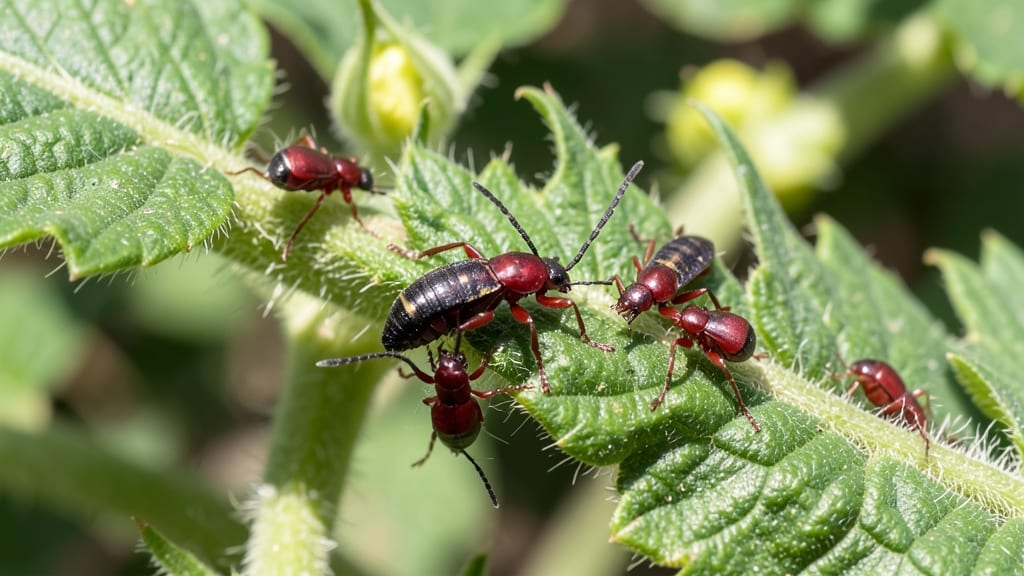
Those little red bugs on tomato plants aren't just dirt—they're likely red spider mites, and they're sucking the life out of your plants. 🌿 I've battled these pests in my own garden, and I'll walk you through how to identify them, why they show up, and most importantly, how to get rid of them without harsh chemicals.
The first sign is usually fine webbing on the undersides of leaves, followed by yellowing or stippled foliage. These mites thrive in hot, dry conditions, so they often attack during summer droughts or when plants are stressed.
Most gardeners reach for pesticides first, but that's a mistake—it can harm beneficial insects and disrupt your garden's balance.
Instead, you'll learn to use a simple spray of water to knock them off, introduce predatory mites, and apply organic oils that smother them without harming your plants. Within a week, you'll see fewer red dots and healthier tomato leaves that can support bigger harvests.
This method works for container gardens, raised beds, and backyard plots alike. Let's turn those red invaders into a distant memory!
Root Causes of Tiny Red Invaders
Those pesky tiny red bugs on your tomato plants aren’t just random visitors—they’re usually drawn by specific conditions that make your garden an all-you-can-eat buffet. Understanding why they show up is the first step to kicking them out for good. Let’s break down the science behind their uninvited party.
Tomato plants under stress are like neon signs for pests. When plants are crowded, nutrient-deficient, or waterlogged, their natural defenses weaken, and they emit stress signals that attract insects like aphids or thrips (common red bugs).
- Poor air circulation: Dense foliage traps humidity, creating a cozy environment for bugs to thrive.
- Nutrient imbalances: Too much nitrogen (lush green growth) or too little potassium (weak stems) makes plants vulnerable.
- Root issues: Compacted soil or root-bound plants struggle to absorb water, stressing the plant above ground.
Pro tip: 💡 Space tomato plants 18–24 inches apart and prune lower leaves to improve airflow. A balanced fertilizer (like 5-10-10) keeps them strong.
Red bugs—especially fruit flies or harlequin bugs—are drawn to the sugary, ripe fruit of tomato plants. Overripe or damaged tomatoes release volatile organic compounds (VOCs) that act like a dinner bell.
- Ethylene gas: Ripe tomatoes emit this gas to attract pollinators (and pests). Bugs can’t resist!
- Fermentation smells: Bruised or rotting fruit gives off alcohol and acids, luring fruit flies.
- Sap-rich leaves: Young, tender growth is a snack for aphids, which excrete honeydew—perfect for sooty mold.
Pro tip: 🍅 Harvest tomatoes as soon as they ripen and remove fallen fruit promptly. Yellowing leaves? Trim them—they’re a buffet for sap-suckers.
Most red bugs (like whiteflies or spider mites) thrive in warm (70–85°F) and humid conditions. Heat speeds up their life cycles, while moisture helps them reproduce faster.
- Greenhouse effect: Plastic mulch or dense canopies trap heat, creating a bug paradise.
- Rainy seasons: Excess moisture softens plant tissues, making them easier to penetrate.
- Sudden temperature swings: Stress from hot days and cool nights weakens plants, making them easier targets.
Pro tip: 🌡️ Use shade cloth (30–50%) in peak summer to lower temps. Drip irrigation (watering at the base) reduces leaf moisture, deterring bugs.
Red bugs often hitchhike from weeds or neighboring plants like nightshades (e.g., black nightshade, henbit). These "volunteer" plants provide shelter and food, allowing pests to multiply before moving to your tomatoes.
- Alternate hosts: Weeds like purslane or dandelions harbor aphids and thrips year-round.
- Crop rotation neglect: Planting tomatoes in the same spot yearly exhausts soil, making plants more susceptible.
- Wildlife bridges: Birds or wind can spread bug eggs from nearby infected plants.
Pro tip: ✨ Clear a 3-foot radius around tomato plants of weeds. Interplant with basil or marigolds—their scents repel pests naturally.
In a balanced ecosystem, ladybugs, lacewings, and parasitic wasps keep red bug populations in check. But if you’ve used chemical pesticides or disrupted the soil (e.g., tilling), these predators vanish, leaving your tomatoes defenseless.
- Pesticide overuse: Broad-spectrum sprays kill beneficial insects along with pests.
- Monoculture gardening: Planting only tomatoes eliminates diversity, reducing natural pest control.
- Soil disruption: Over-tilling destroys ground-dwelling predators like nematodes.
Pro tip: 🦋 Attract predators by planting dill, fennel, or alyssum. Avoid neonicotinoids—they’re toxic to beneficial insects.
How to Treat and Prevent Tiny Red Pests
Now that you’ve identified those pesky invaders—whether they’re tarnished plant bugs, red spider mites, or aphids—it’s time to act. The good news? Organic, effective solutions exist to save your tomato plants without harsh chemicals.
Below, we break down cause-specific fixes, step-by-step, plus prevention tips to keep your garden thriving.
1. For Tarnished Plant Bugs (TPBs) – The Sap-Sucking Menace
Tarnished plant bugs (TPBs) are sneaky and can devastate tomato fruit in days. Here’s how to eliminate them fast:
- 🍳 Handpick & Squish (Best for Small Infestations) - When: Early morning or evening (bugs are sluggish). - How: Wear gloves, inspect leaves/fruit, and crush bugs between your fingers or a stiff brush.
Drop them into soapy water to avoid re-infesting the soil. - Pro Tip: 💡 Focus on flower clusters and new growth—TPBs love hiding there.
- 👨🍳 Yellow Sticky Traps (Early Detection + Reduction)
- Why: TPBs are attracted to yellow. Hang sticky traps near plants to catch adults before they lay eggs.
- How: Place traps 1–2 feet above the plant canopy and check daily.
- 🥘 Neem Oil Spray (Organic Knockdown) - When: Late afternoon (to avoid harming bees). - How: Mix 1 tbsp neem oil + 1 tsp mild soap + 1 quart water.
Spray under leaves and fruit every 5–7 days until bugs disappear. - Caution: 🌡️ Avoid spraying in direct sunlight (can burn leaves).
- 🔪 Diatomaceous Earth (DE) Barrier (For Eggs & Nymphs)
- Why: DE dehydrates bugs but is safe for plants and pets.
- How: Lightly dust soil around plants and under leaves (reapply after rain).
2. For Red Spider Mites – The Tiny Web Weavers
These microscopic pests thrive in dry, hot conditions and drain plant sap, causing yellowing leaves and webbing.
- 🚿 Strong Water Blast (First Line of Defense)
- How: Use a hose with a forceful nozzle to dislodge mites from undersides of leaves. Do this every 2–3 days for severe infestations.
- Pro Tip: 🎯 Early morning spraying works best—miters are less active then.
- 🌿 Predatory Mites Release (Long-Term Control)
- Why: Introduce Phytoseiulus persimilis (a natural mite predator) to balance the ecosystem.
- Where to Buy: Garden centers or online (e.g., Arborjet, Garden Safe).
- 🍃 Homemade Oil Spray (Smothers Mites)
- Recipe: Mix 1 cup vegetable oil + 1 tbsp soap + 1 gallon water. Shake well and spray both sides of leaves.
- Frequency: Apply every 5–7 days until mites vanish.
- 🌡️ Increase Humidity (Mites Hate Moisture)
- How: Use a fine mist spray bottle to dampen leaves daily or place a shallow tray of water near plants.
3. For Aphids – The Clustered Sap-Suckers
Aphids multiply exponentially but are easier to control than TPBs or mites.
- 🔥 Soap Spray (Fastest Organic Fix)
- Recipe: 1 tbsp castile soap + 1 quart water. Spray directly on aphids (they’ll drop off).
- Reapply: Every 3–4 days until gone.
- 🐞 Ladybugs & Lacewings (Natural Pest Control)
- How: Purchase ladybug eggs or lacewing larvae from garden stores. Release them at dusk when aphids are most active.
- 🍎 Prune & Destroy Infested Growth
- Why: Aphids cluster on new shoots and undersides of leaves.
- How: Snip infested parts with sterilized scissors and dispose of them in a sealed bag.
Once your tomatoes are pest-free, lock in that progress with these proactive strategies:
| Prevention Method | How to Do It | Best Time to Apply |
|---|---|---|
| 🌱 Healthy Soil | Amend soil with compost and worm castings for strong, resilient plants. | Before planting (spring) |
| 🌿 Companion Planting | Plant basil, marigolds, or nasturtiums near tomatoes to repel pests. | At planting or transplanting |
| 💧 Consistent Watering | Water deeply at the base (not overhead) to avoid attracting mites/aphids. | Daily (early morning) |
| 🕷️ Beneficial Insects | Attract ladybugs, lacewings, and parasitic wasps with dill, fennel, or yarrow. | Throughout growing season |
| 🧹 Regular Scouting | Inspect plants 2–3x per week for early signs of pests (eggs, webbing). | Weekly (especially after rain) |
If your tomatoes are already heavily infested, try this emergency combo:
- Prune all yellowing leaves and damaged fruit.
- Apply neem oil + diatomaceous earth (mix DE with oil for extra potency).
- Isolate the plant (if possible) to prevent spread.
- Fertilize with fish emulsion to boost plant recovery.
Remember: Patience is key—some fixes take 1–2 weeks to show results. But with consistent action, your tomato plants will bounce back stronger than ever! 🍅💪
Frequently asked questions
Are those tiny red bugs on my tomato plants harmful?
Yes, they can be! Most red bugs like tarnished plant bugs or red spider mites suck plant sap, weakening leaves and fruit. Severe infestations cause yellowing, stunted growth, or even fruit damage. Act quickly—these pests multiply fast in warm, dry conditions.
Why do I keep seeing red bugs even after treating my plants?
Red bugs often hide on undersides of leaves, in flower clusters, or on neighboring plants. If you missed these spots, they'll return. Also, some bugs (like spider mites) develop resistance to treatments—rotate methods like neem oil and insecticidal soap for best results.
Can I use chemical pesticides safely on my tomato plants?
Chemicals like pyrethrin can kill red bugs quickly, but they also harm beneficial insects (like ladybugs) and may leave residues on edible fruit. For organic gardens, stick to neem oil, soapy water sprays, or diatomaceous earth—they're safer and just as effective with consistent use.
How can I prevent red bugs from coming back next year?
Start with healthy soil (add compost) and proper spacing (18–24 inches apart) to improve airflow. Plant companion plants like basil or marigolds, and attract predators with dill or yarrow. Remove weeds and fallen fruit promptly—they harbor pests and eggs.
Will my tomato fruit still be safe to eat if I've had red bugs?
Yes, but wash thoroughly! Red bugs rarely contaminate fruit with toxins, but always rinse produce under cool running water before eating. If you see webbing or severe damage, consider discarding heavily infested fruit to prevent future spread.