
Pests
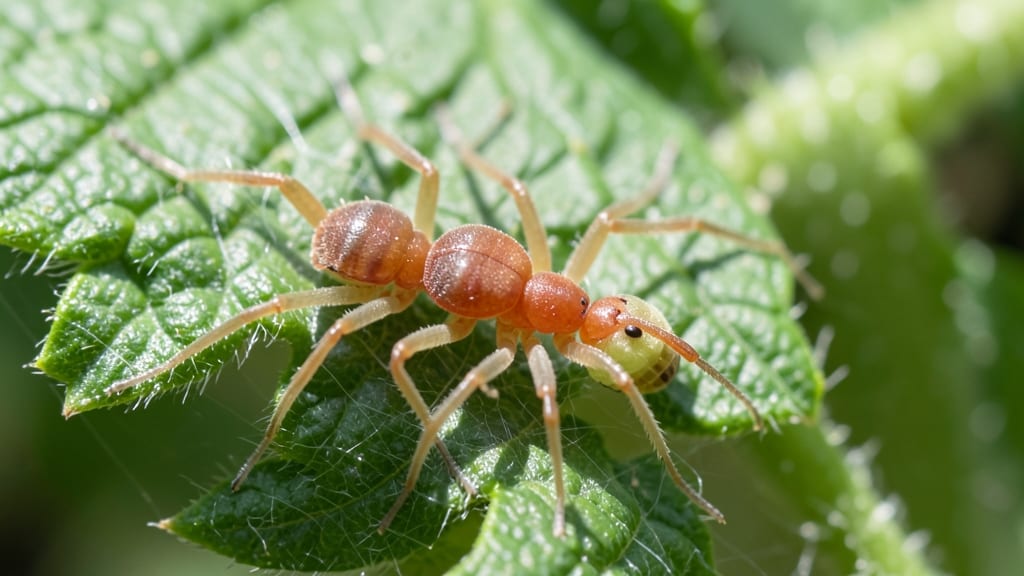
Your tomato plants’ leaves look like they’ve been dusted with pepper—that’s spider mites, and they’re sucking the life out of your harvest. 🌿 These tiny pests thrive in dry conditions, spinning webs between leaves while your tomatoes struggle to thrive.
The good news? You don’t need harsh chemicals to win this battle—just the right natural defenses.
Spider mites start small but multiply fast, especially when heat and drought stress your plants. You’ll spot them first as tiny yellow spots on leaves, then webbing in leaf crevices. The key to stopping them? Watering at the base (not overhead), pruning crowded foliage, and introducing beneficial predators like ladybugs.
Neem oil is your secret weapon—it disrupts their life cycle without harming your tomatoes.
Within a week of treatment, you’ll see new growth pushing through, leaves turning vibrant green again, and those pesky webs disappearing. The plants recover faster than you’d expect, and the best part? Your tomatoes stay healthy—no more stunted vines or bitter-tasting fruit.
This method works for greenhouses, containers, and in-ground gardens alike.
Prevention is easier than cleanup: keep your garden humid (misting helps), monitor undersides of leaves weekly, and avoid over-fertilizing with nitrogen. Once you’ve tackled an infestation, your tomatoes will reward you with juicier, sweeter harvests all season long.
Hidden Triggers Behind Tiny Invaders
Those barely visible but destructive tiny arachnids don’t just appear out of nowhere—they thrive when specific conditions align. Understanding the why behind their infestations helps you disrupt their life cycle before they wreak havoc on your tomatoes. Here’s what invites them to the party—and how to shut it down.
Spider mites are desert survivors. They adore hot, dry conditions because:
- Humidity drops below 40%: Their bodies lose moisture rapidly, but they adapt by sucking even more plant sap to compensate. Pro tip: A humidity below 30% can trigger a full-blown outbreak in just 2–3 weeks.
- Temperatures soar above 85°F (29°C): These pests reproduce 3–5 times faster in heat. Their eggs hatch in 3–5 days (vs. 2+ weeks in cooler temps), creating a population explosion.
- Airflow is stagnant: Still air traps heat near leaves, creating microclimates where mites thrive. Greenhouses and dense foliage are prime targets.
Actionable fix: Increase humidity with mist systems or pebble trays, and ensure cross-ventilation (even a small fan can disrupt their comfort zone).
Spider mites don’t just attack healthy plants—they prefer weakened ones. Here’s why your tomatoes become their favorite snack:
- Dust-coated leaves: Dust blocks stomata (leaf pores), reducing photosynthesis. Mites love this stress signal—it’s like a neon "EAT ME" sign. Fun fact: A single dusty leaf can host 10x more mites than a clean one.
- Over-fertilization (especially nitrogen): Too much fertilizer leads to soft, sappy leaves, which mites puncture effortlessly. Potassium deficiency also weakens cell walls, making them easier to pierce.
- Water stress: Underwatering or uneven moisture (e.g., dry soil with wet leaves) creates osmotic stress, forcing plants to "leak" sugars—mite manna.
Actionable fix:
- Wipe leaves with a damp microfiber cloth weekly.
- Use a balanced fertilizer (e.g., 10-10-10) and avoid synthetic nitrogen spikes.
- Water deeply at the base (not overhead) to prevent leaf burn.
Spider mites aren’t the only creatures in your garden—they’re prey. When their natural enemies vanish, their populations skyrocket. Common disruptors include:
| Predator | How They Help | Why They Disappear |
|---|---|---|
| Ladybugs | Eat 50–100 mites per day; larvae are even hungrier. | Pesticides (even organic ones like neem) or lack of pollen/dust (their food). |
| Predatory mites (Phytoseiulus persimilis) | Specialists that hunt only spider mites; one can eat 5–6 mites/day. | Introduced too late or outcompeted by broad-spectrum pesticides. |
| Lacewings | Larvae skewer mites with their jaw-like mandibles. | Adults need nectar or honeydew; if flowers are absent, they leave. |
| Birds (e.g., chickadees) | Peck at clusters on leaf undersides. | No bird feeders or insect snacks nearby. |
Actionable fix:
- Plant companion flowers (e.g., dill, marigolds, alyssum) to attract predators.
- Avoid systemic pesticides (they linger in plant sap). Use targeted sprays like insecticidal soap only when mites appear.
- Release predatory mites at the first sign of webbing (they’re faster than ladybugs).
Spider mites target new, tender leaves because they’re rich in nutrients and easier to pierce. Overcrowded plants amplify the problem:
- Pruning gaps: If you don’t thin suckers or remove yellow leaves, dense foliage traps heat and humidity, creating mite hotspots.
- Transplant shock: Newly planted tomatoes are stressed and produce more sugars to recover—mite magnets.
- Root-bound plants: When roots circle the pot, they can’t absorb water/nutrients, leading to stunted, sappy growth.
Actionable fix:
- Prune aggressively to improve airflow (aim for 12–18 inches between plants).
- Repot root-bound tomatoes into larger containers with well-draining soil.
- Use mycorrhizal fungi (add to soil) to boost root health and reduce stress signals.
Natural Ways to Outsmart Tiny Plant Invaders
Spider mites may be tiny, but they’re mighty pests—especially when they target your tomatoes! 🍅🕷️ The good news? You don’t need harsh chemicals to fight back. With the right approach, you can restore your plants to their vibrant best.
Below, we’ll break down practical, plant-safe solutions tailored to the root causes of an infestation, plus tips to keep those eight-legged troublemakers away for good.
Spider mites thrive where plants are weak, so boost their resilience first.
🍃 Step Up Your Plant Care
- Prune for airflow: Trim dense foliage to improve circulation.
Spider mites love hiding in shaded, humid spots. ✂️ - Water wisely: Deep watering at the base (not overhead) reduces humidity on leaves—mites hate dry conditions. 💧 - Feed them right: Use a balanced, organic fertilizer (like fish emulsion or compost tea) to strengthen plants.
A healthy plant fights off pests better! 🌱
💡 Pro Tip
Rotate your plants every few weeks to expose all sides to sunlight. Mites avoid bright, dry environments!
Spider mites are lightweight—a strong spray can knock them off for good.
💦 DIY Mite-Shower Method
- Early morning is best: Water mites are sluggish after the night, making them easier to dislodge. 🌅
- Use a hose or spray nozzle: Aim for strong, direct pressure on the undersides of leaves (their favorite hiding spot).
- Repeat weekly: Consistency is key—mites reproduce fast! ⏰
⚠️ Warning
Avoid wetting the soil too much—overwatering can stress plants and attract fungus gnats.
Natural sprays disrupt mites’ life cycle without harming your tomatoes.
🍊 Oil-Based Spray (Best for Heavy Infestations)
Mix:
- 1 quart water
- 1 tbsp neem oil or horticultural oil
- 1 tsp mild dish soap (like Castile)
How to use: Spray evenly on all leaf surfaces, including the undersides. Reapply every 5–7 days until mites disappear. 🌿
🌶️ Spicy Pepper Spray (Mite Repellent)
Blend:
- 1 quart water
- 2 tbsp cayenne pepper or hot sauce
- 1 tsp dish soap
Why it works: The capsaicin irritates mites’ delicate bodies. Strain and spray directly on infested areas. 🔥
🍋 Vinegar Rinse (Quick Knockdown)
- Mix 1 part white vinegar with 3 parts water in a spray bottle.
- Lightly mist leaves (avoid flowers/fruit—vinegar can burn delicate tissues).
- Best for: Minor infestations or as a preventive spray.
Nature’s pest control is free, effective, and eco-friendly!
🕷️ Ladybugs & Lacewings
- How to attract: Plant dill, fennel, or marigolds near your tomatoes—they lure these mite-munching allies. 🌼
- Buy them: Release lacewing eggs or ladybug larvae (available online or at garden centers).
🐛 Predatory Mites (Phytoseiulus persimilis)
- Targeted solution: These tiny mites only eat spider mites—no harm to your plants!
- Where to get: Order from garden supply stores or online.
Mites hide in soil, pots, and garden tools. A thorough cleanup prevents reinfestation.
🧼 Sanitize Your Garden Tools
- Wipe pruners, trowels, and pots with rubbing alcohol or soapy water before and after use. 🧼
- Replace old mulch: Mites overwinter in organic debris—refresh mulch annually.
🌍 Remove Infested Plant Debris
- Burn or bag heavily infested leaves (don’t compost them—mites can survive!).
- Quarantine new plants: Inspect any additions for webs or mites before bringing them near your tomatoes.
An ounce of prevention beats a pound of cure!
🌞 Encourage Sunny, Dry Conditions
- Spider mites hate dry heat. Use row covers in early seasons to deter them before they arrive. ☀️
- Reflective mulch: Lay aluminum foil or white plastic around plants to confuse and repel mites.
🌱 Rotate Crops & Interplant Smartly
- Avoid planting tomatoes in the same spot yearly—mites build up in the soil.
- Companion plants: Basil, garlic, and onions repel mites naturally. 🧄
🕵️ Weekly Inspections
- Check leaf undersides and stems with a magnifying glass. Early detection = easier fixes! 🔍
If mites persist after 2–3 weeks of treatment, consider:
- Insecticidal soap (for stubborn cases—follow label instructions).
- Professional pest control (for severe, large-scale infestations).
Remember: Patience and consistency win the battle against spider mites. With these natural, plant-friendly tactics, your tomatoes will be thriving—and mite-free—in no time! 🍅✨
Frequently asked questions
How do I tell if my tomato plants have spider mites?
Look for tiny yellow or white speckles on leaves (like pepper dust) and fine webbing between leaf veins. Check undersides of leaves with a magnifying glass—you’ll spot the red, black, or green mites themselves. Early signs include leaf curling or stippling (tiny dots).
Will neem oil really kill spider mites?
Yes! Neem oil disrupts their life cycle by coating their bodies and preventing egg hatching. Mix 1 tbsp neem oil + 1 tsp soap per quart of water, spray thoroughly (including undersides), and reapply every 5-7 days for 2 weeks. It’s non-toxic to plants but must be reapplied after rain.
Can I use vinegar to get rid of spider mites?
Vinegar helps as a quick knockdown but won’t eliminate the problem alone. Mix 1 part white vinegar to 3 parts water and spray lightly on leaves (avoid flowers/fruit). For best results, combine it with neem oil or insecticidal soap. Repeat every 3-4 days while monitoring for improvement.
Why do spider mites keep coming back after treatment?
Mites often return because their eggs survive treatments or they’re reintroduced from nearby plants. Focus on prevention: increase humidity with pebble trays, prune for airflow, and introduce predatory mites or ladybugs. Also check garden tools and soil—mites overwinter in these areas.
Are spider mites harmful to humans or pets?
No, they’re plant pests only—harmless to humans and pets. However, their webbing can irritate skin if handled directly. Always wear gloves when pruning infested plants. The real danger is to your tomatoes: severe infestations cause leaf drop and stunted growth, reducing your harvest.