
Plants
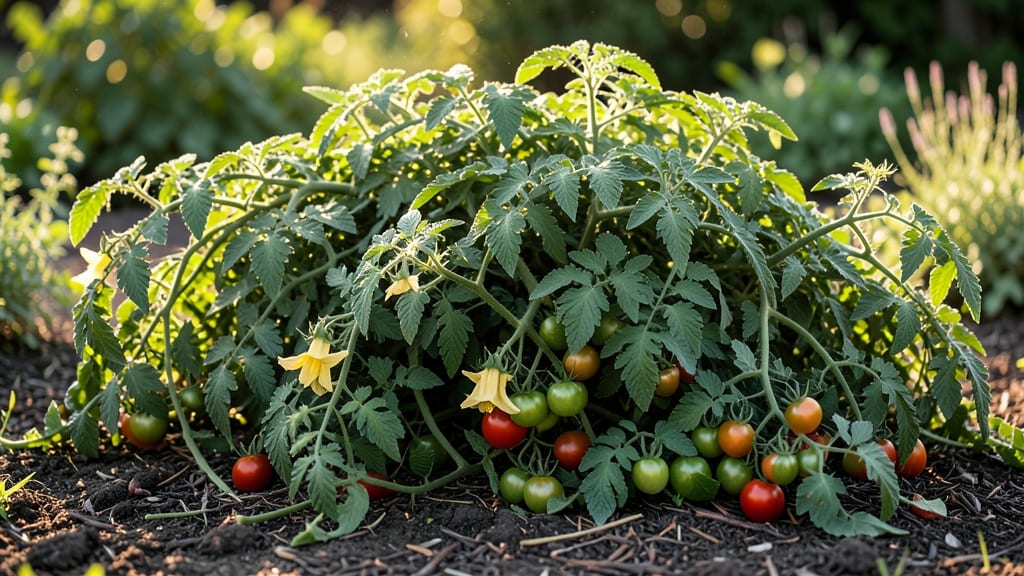
My overgrown tomato plants look like jungle vines instead of productive bushes—until I discovered the three-pronged pruning system that saved my harvest. 🌱 The key is timing, technique, and knowing when to stop cutting.
What starts as a tangle of sprawling growth becomes a structured plant that focuses energy on fruit, not just leaves.
Overgrowth happens when plants get too much sunlight, water, or nutrients without proper support. Without pruning, tomatoes put all their energy into vines instead of heirloom-sized tomatoes. I learned the hard way—my first attempt left plants looking like sad, leggy shadows.
The fix? Strategic suckering, proper trellising, and regular check-ins to redirect growth where you want it.
You’ll see the difference within 2-3 weeks: fewer but stronger vines, more flowers, and actual tomatoes instead of endless foliage. The plants stay healthier too, with better air circulation that cuts down on disease. It’s not about making them small—it’s about making them productive.
Works for indeterminate varieties (like Sungold or Cherokee Purple) and even determinate types if they get too wild. Let’s get those plants back on track—your kitchen table will thank you.
Root Causes of Unruly Growth
Overgrown tomato plants can turn your garden into a tangled jungle if left unchecked—but understanding the why behind their rampant growth is the first step to reclaiming control. Below, we break down the key factors that trigger excessive vine sprawl, leaf production, and unruly stems.
Each cause has a scientific root, and knowing them will help you prune smartly, not just hard.
Tomatoes thrive in warmth, but too much of a good thing can backfire. When exposed to excessive sunlight (especially in hot climates), plants ramp up photosynthesis to produce more leaves and stems as a survival mechanism.
This creates a shady canopy that blocks lower leaves from sunlight, forcing the plant to grow upward rather than outward in a controlled way.
- Why it happens: High temperatures (>90°F) also trigger ethylene production, a plant hormone that accelerates vine elongation and flower drop. The plant prioritizes shade-seeking growth over fruit development. - Actionable fix: Use shade cloth (30-50%) during peak afternoon sun or plant in partial shade (especially in Zone 9+).
Mulch heavily to keep roots cool.
Watering like a rollercoaster—drenching one day, neglecting the next—confuses tomato plants. Fluctuating moisture levels trigger a stress response that leads to:
- Rapid, weak stem growth (to seek water deeper in the soil).
- Excessive leaf production (as the plant tries to maximize photosynthesis to compensate for uneven hydration).
- Blossom end rot (from calcium uptake issues), which further stresses the plant into overcompensating with foliage.
- Why it happens: Tomatoes have shallow root systems that need consistent moisture. Sudden dry spells cause roots to stretch aggressively, while overwatering can suffocate them, both leading to erratic growth. - Actionable fix: Drip irrigation or soaker hoses deliver steady moisture.
Water deeply 1-2x per week (1-1.5 inches total) rather than daily shallow drinks. Test soil moisture with your finger—top 2 inches should be dry before watering again.
Tomatoes are indeterminate (they grow continuously) or determinate (they bush out in one cycle). If you skip pruning—or prune too late—the plant focuses energy on vegetative growth (leaves/stems) instead of fruit production.
- Indeterminate varieties (like ‘Sungold’ or ‘Better Boy’) need regular pruning to remove suckers (side shoots in leaf axils) and lower leaves (to improve airflow).
Without this, they’ll produce a wall of foliage that chokes airflow and attracts pests. - Determinate varieties (like ‘Roma’ or ‘Celebrity’) should not be pruned heavily, but dead or diseased leaves must be removed to prevent overcrowding. - Why it happens: Suckers compete with the main stem for nutrients.
Left unchecked, they create a thicket that shades fruit and attracts diseases like early blight or powdery mildew. - Actionable fix: - Indeterminate: Prune suckers weekly (when they’re <3 inches long).
Remove lower leaves up to the first flower cluster. - Determinate: Prune only dead/diseased leaves to avoid stressing the plant.
A high-nitrogen fertilizer (like fresh manure or blood meal) sends tomatoes into leafy overdrive. While nitrogen fuels foliage, it starves fruit production by diverting energy away from flowering and fruiting.
- Signs of excess nitrogen: Dark green, leathery leaves with minimal flowers/fruit. - Why it happens: Tomatoes need a balanced NPK ratio (e.g., 5-10-10 or 3-4-6).
Too much nitrogen triggers rapid cell division in leaves and stems but inhibits flower and fruit development. - Actionable fix: - Switch to a low-nitrogen, high-phosphorus fertilizer (e.g., 5-10-10) when flowers appear. - Avoid fresh manure near planting time (use composted instead). - Flush soil with water if you suspect over-fertilization.
When tomatoes face aphids, whiteflies, or fungal diseases (like powdery mildew), they accelerate growth to outpace damage.
This leads to: - Stunted, twisted growth (as the plant diverts energy to repair damage). - Excessive side shoots (suckers) as the plant tries to "escape" stress. - Yellowing leaves (from sap-sucking pests or nutrient theft).
- Why it happens: Pests and pathogens disrupt hormone balance, causing the plant to produce more leaves and stems as a defensive mechanism.
- Actionable fix:
- Prevent pests: Use row covers early in the season or neem oil sprays weekly.
- Improve airflow: Prune to open the canopy and reduce humidity (which fuels fungal growth).
- Remove infected leaves immediately to stop spread.
Tomatoes hate competition. When planted too close together (e.g., <18–24 inches apart for indeterminate varieties), they reach upward to escape shade from neighbors. This leads to:
- Weak, leggy stems (from stretching toward light).
- Fewer flowers/fruit (due to energy diversion).
- Increased disease risk (from poor airflow).
- Why it happens: Tomatoes need space to breathe.
Crowding triggers etiolation (a growth response to low light), making stems long, thin, and brittle. - Actionable fix: - Space indeterminate varieties 24–36 inches apart; determinate types need 18–24 inches. - Stake or cage plants early (before they get top-heavy) to encourage vertical growth. - Thin seedlings if overcrowded, keeping only the strongest 2–3 plants per cage.
Tomatoes love warmth but hate sudden cold snaps (<50°F) or heat waves (>95°F). When temperatures dip or spike, the plant pauses fruit production and focuses on leaf and stem growth to protect itself.
- Why it happens:
- Cold stress (<55°F) slows metabolism, causing stunted growth but excessive side shoots as the plant recovers.
- Heat stress (>90°F) causes flower drop (due to ethylene buildup), forcing the plant to grow more leaves to cool itself.
- Actionable fix:
- Use row covers for early/late-season protection.
- Mulch heavily (3–4 inches of straw or wood chips) to stabilize soil temperature.
- Avoid planting in low-lying areas where cold air pools.
Revive Your Tomato Garden Now
Overgrown tomato plants can feel like a wild, tangled mess—but with the right steps, you can transform them into productive, healthy vines that yield juicy, flavorful tomatoes. The key is addressing the root causes (literally and figuratively) while keeping solutions simple and effective.
Below, we’ll break down practical fixes for common issues, from pruning techniques to soil and sunlight adjustments, plus prevention tips to keep your plants thriving all season.
Cause: Too many stems or plants competing for space. Fix:
- 🔪 Trim aggressively (but strategically!). Remove suckers (the small shoots between the main stem and branches) to redirect energy to fruit production. Aim to keep 1-2 strong stems per plant for determinate varieties or 3-5 for indeterminate types.
- 🌿 Thin out foliage if leaves are blocking sunlight. Focus on lower leaves (they’re more prone to disease) and any yellowing or diseased growth.
- ⏰ Do it early: Prune in the morning when plants are hydrated, and avoid heavy pruning late in the season—it can stress plants before harvest.
Prevention Tip: 💡 Space plants 18–24 inches apart (or 36 inches for large indeterminate varieties) and use cages or stakes to encourage vertical growth from the start.
Cause: Plants stretching toward light or flopping due to weak stems. Fix:
- 🔥 Move plants to a sunnier spot (tomatoes need 6–8+ hours of direct sunlight daily). If space is tight, use reflective surfaces (like white walls or mirrors) to bounce light onto shaded areas.
- 👨🍳 Install sturdy supports immediately. Use tomato cages, stakes, or trellises to guide growth upward. For indeterminate varieties, tie stems gently to the support every 5–7 days as they grow.
- 🌡️ Check soil temperature: If roots are struggling in cold soil, mulch with straw or black plastic to warm the soil faster.
Prevention Tip: ✨ Start with strong seedlings—harden off young plants gradually before transplanting to avoid shock.
Cause: Overgrowth diverts energy away from fruit production. Fix:
- 💧 Water deeply but consistently. Overgrown plants need 1–2 inches of water per week, but avoid wetting leaves (to prevent disease). Use drip irrigation or water at the base early in the day.
- 📊 Feed smartly: Overgrown plants often lack phosphorus (for roots) or potassium (for fruit). Use a balanced fertilizer (10-10-10) or a tomato-specific boost like fish emulsion. Stop fertilizing 2–3 weeks before harvest to avoid bitter fruit.
- 🥗 Prune to balance growth. If your plant is all leaves and no tomatoes, cut back on new leaf growth and focus on existing flower clusters.
Prevention Tip: 🎯 Side-dress with compost halfway through the season to replenish nutrients without overfeeding.
Cause: Dense foliage traps moisture, inviting fungi (like blight) or pests. Fix:
- 🧼 Remove infected leaves immediately and sterilize pruners with rubbing alcohol between cuts.
- 🌿 Improve airflow by pruning inner leaves and thinning vines to let sunlight penetrate.
- 🛡️ Use organic sprays like neem oil (for pests) or copper fungicide (for blight). Apply in the evening to avoid burning leaves.
- 🚫 Avoid overhead watering—use a soaker hose instead.
Prevention Tip: 🔥 Rotate crops—don’t plant tomatoes in the same spot yearly to break disease cycles.
- 🌱 Succession plant: If your main crop is overgrown, add a second batch of smaller plants 2–3 weeks later for a staggered harvest.
- 🍅 Harvest regularly: Picking ripe tomatoes encourages more production—don’t let fruit overload the plant!
- 🔄 Repurpose prunings: Use healthy clippings as mulch or compost to recycle nutrients.
With these steps, your overgrown tomato plants will snap back into shape, producing bigger, tastier tomatoes with less stress. The secret? Prune early, support growth, and keep things balanced—your garden (and your taste buds) will thank you! 🍅✨
Frequently asked questions
How do I tell if my tomato plant is truly overgrown or just healthy?
Look for these red flags: leggy stems reaching beyond your trellis, more leaves than flowers, or fruit hidden under dense foliage. Healthy plants have a balanced ratio of leaves to fruit clusters (about 3 leaves per flower stem) and strong, upright growth. If your plant looks like a jungle with no visible tomatoes after 6-8 weeks of growth, it's overgrown.
Can I prune my tomato plants too much? What are the signs?
Yes! Prune no more than 1/3 of the plant at once. Signs of over-pruning include yellowing leaves, stunted growth, or no new flowers after pruning. For indeterminate varieties, keep 3-5 main stems and remove suckers when they're smaller than 3 inches. Never cut into wooden stems—only prune green growth.
What's the best time of day to prune overgrown tomato plants?
Always prune in the early morning when plants are fully hydrated. This gives them 6-8 hours to recover before evening heat stress. Avoid pruning in hot afternoons (>85°F) or when plants are wilting. If you must prune later, do it 2-3 hours before sunset and water thoroughly afterward.
Will pruning my overgrown tomato plants actually increase my harvest?
Strategic pruning can double your yield by redirecting energy to fruit production instead of excessive foliage. Studies show properly pruned indeterminate varieties produce 20-30% more tomatoes with better flavor. The key is removing suckers and lower leaves while keeping the plant's main stem and flower clusters intact.
What should I do with all the pruned tomato plant material?
Never throw it away! Use healthy prunings as mulch around the base of plants (keeps soil moist), add to your compost pile, or make tomato leaf tea by steeping in water for 24 hours (great for foliar feeding). If you see diseased spots, dispose of them in the trash—not compost—to prevent spreading pathogens.