
Planting
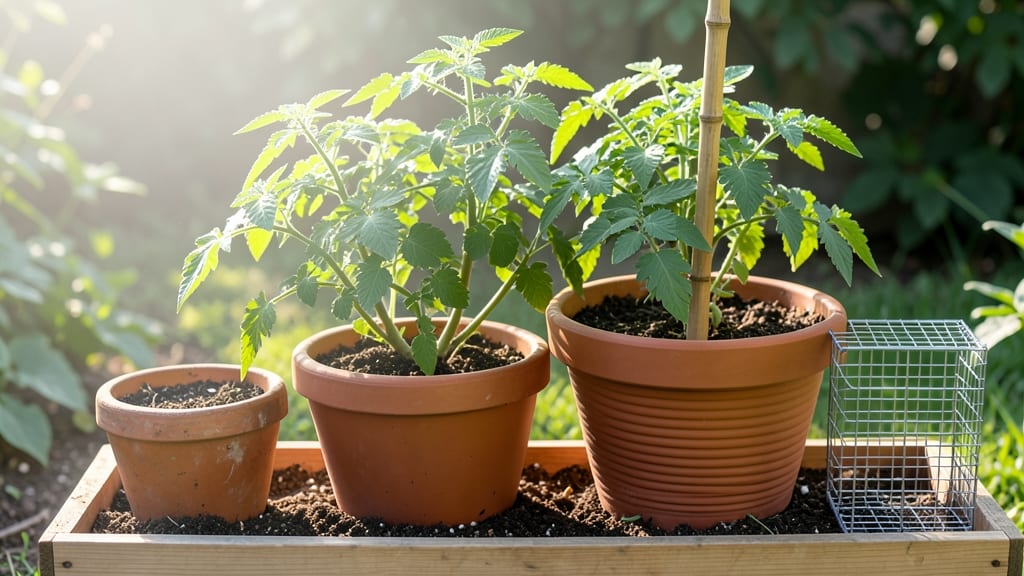
A 5-gallon pot is the ideal size for a cherry tomato plant 🍅—balancing root space, drainage, and nutrient capacity for a healthier plant and bigger harvest.
Picture this: you’ve spent weeks nurturing your cherry tomato seedlings, only to watch them struggle in a pot that’s either too cramped or too spacious.
The wrong size can lead to stunted growth, poor fruit set, or even root rot—none of which you want when you’re dreaming of a bountiful summer harvest.
Why does size matter so much? Cherry tomatoes need enough room for their roots to spread but not so much that the soil stays soggy or nutrients get diluted.
A 5-gallon container strikes that perfect balance, giving your plants the stability they need to thrive without the hassle of repotting mid-season.
In this guide, I’ll break down why 5-gallon pots work best, how to pick the right material (fabric, plastic, or terracotta), and what to watch for if your plant starts showing signs of stress.
You’ll also learn how to troubleshoot common mistakes—like overcrowding or poor drainage—that can derail your harvest before it even begins.


Why 5-Gallon pots are ideal for cherry tomato growth and yield
Cherry tomatoes thrive in containers, but not all pots are created equal. A 5-gallon pot strikes the perfect balance between space and manageability, giving your plants room to grow while keeping them easy to care for.
This size supports optimal root development and nutrient uptake, which directly translates to bigger yields and healthier vines. Without enough space, roots become cramped, leading to stunted growth and fewer fruits.
Science backs this up: cherry tomato plants need about 1 gallon of soil per 6-12 inches of plant height. A mature cherry tomato plant reaches 4-6 feet tall, so a 5-gallon pot provides just enough volume to sustain it without overwhelming your space.
Smaller pots restrict root growth, while larger ones can lead to overwatering and poor drainage—both of which harm your plants.
Here’s how a 5-gallon pot compares to other sizes in terms of growth, yield, and care requirements:
| Pot Size | Root Space | Yield Potential | Watering Needs | Best For |
|---|---|---|---|---|
| 1-3 Gallons | Limited root growth | Low (stunted plants) | Frequent, shallow watering | Bush varieties, short-term growth |
| 5 Gallons | Ideal root expansion | High (full harvest) | Moderate, deep watering | Cherry tomatoes, balanced care |
| 7+ Gallons | Excessive space (overpotting) | Moderate (unless pruned) | Infrequent, risk of overwatering | Large varieties, experienced growers |
The 5-gallon pot gives cherry tomato roots enough room to spread out, allowing them to access water and nutrients efficiently. This leads to stronger stems, more flowers, and ultimately, a higher yield of sweet, juicy tomatoes.
Without adequate space, roots compete for resources, leading to weaker plants and fewer fruits. Overpotting, on the other hand, can cause soil to stay too wet, inviting fungal diseases like blight.
Another advantage of a 5-gallon pot is its portability. You can easily move it to follow the sun or protect it from harsh weather. This flexibility is especially useful for balcony or patio gardeners who need to adapt to changing conditions.
Larger pots are harder to move, while smaller ones limit your plant’s potential.
For determinate varieties (those that grow to a fixed size), a 5-gallon pot is perfect. Indeterminate varieties, which grow continuously, may need slightly larger pots (7 gallons) if you plan to let them vine all season.
However, even indeterminate plants benefit from a 5-gallon start before transplanting to a larger container later in the season.
One of the biggest mistakes gardeners make is underestimating drainage in their containers. A 5-gallon pot with proper drainage holes ensures excess water escapes, preventing root rot. Pair this with a well-draining potting mix, and your cherry tomatoes will thrive.
Without drainage, even the right-sized pot can become a death trap for your plants.
Finally, the 5-gallon pot is cost-effective and widely available. You can find them at garden centers, hardware stores, or even repurpose buckets or bins. This makes it an accessible choice for both beginners and experienced gardeners.
Just ensure the pot has 4-6 drainage holes and is stable enough to support a tall, fruiting plant.
In summary, a 5-gallon pot is the goldilocks zone for cherry tomatoes—big enough for healthy growth but small enough to manage. It balances root space, yield potential, and care ease, making it the ideal choice for container gardening.
With the right pot, your cherry tomatoes will reward you with a bountiful harvest all season long. 🌱🍅
How to choose the perfect pot for cherry tomatoes beyond size
When selecting a container for your cherry tomatoes, size is just the starting point. The right pot material, drainage system, and structural stability can mean the difference between a thriving plant and one struggling to produce fruit.
I’ve learned that even a 5-gallon pot can fall short if it lacks proper drainage or isn’t sturdy enough for your plant’s mature height.
Beyond just volume, you’ll want to consider fabric pots for aeration, ceramic containers for insulation, or plastic pots for lightweight mobility. Each material affects moisture retention, temperature regulation, and even root health differently.
Let’s break down the key factors that turn a good pot into a perfect one for your cherry tomatoes.
| Factor | Recommendation | Why It Matters |
|---|---|---|
| Drainage Holes | 4+ holes at the bottom | Prevents root rot and ensures oxygen reaches roots |
| Material | Fabric or plastic | Fabric promotes airflow; plastic retains moisture longer |
| Depth | 12-18 inches minimum | Accommodates deep root systems for stability and yield |
| Stability | Wide base or saucer | Prevents tipping as plants grow 4-6 feet tall |
| Weight | Lightweight yet sturdy | Easy to move but won’t topple in wind |
Let’s start with drainage holes. I’ve seen many gardeners overlook this, but it’s critical for cherry tomato health. Without proper drainage, roots suffocate, leading to fungal diseases like blight. Aim for at least 4 holes at the bottom of your pot.
If your pot lacks them, consider adding a layer of gravel or broken pottery at the bottom to create a drainage layer.
Next, consider the material of your pot. Fabric pots are my top pick for cherry tomatoes because they allow excess water to evaporate through the sides, keeping roots aerated.
However, they dry out faster, so you’ll need to water more frequently. Plastic pots, on the other hand, retain moisture longer but can trap heat, which might stress your plants in hot climates. Ceramic pots offer a middle ground with better insulation but are heavier and more fragile.
Depth is another often-overlooked factor. Cherry tomatoes develop deep root systems, so your pot should be at least 12-18 inches deep. Shallow pots restrict root growth, leading to stunted plants and smaller yields.
If you’re using a 5-gallon bucket, ensure it meets this depth requirement—some budget options are too shallow. For taller varieties, consider adding a support stake or trellis early to prevent toppling.
Don’t forget about stability. A pot that’s too tall and narrow can tip over when your cherry tomato plant reaches its mature height of 4-6 feet. Opt for pots with a wide base or add a heavy saucer filled with rocks to anchor it.
I’ve had to repot my plants mid-season because their original containers were too unstable—something you can easily avoid with the right choice from the start.
Finally, think about weight. While lightweight pots are easier to move, they can be less stable. If you’re growing in a windy area, choose a pot that’s sturdy enough to stay upright. For balcony gardens, consider pots with built-in handles or wheels for easy repositioning.
The right balance of weight and stability ensures your cherry tomatoes get the support they need to thrive all season long.