
Vegetables
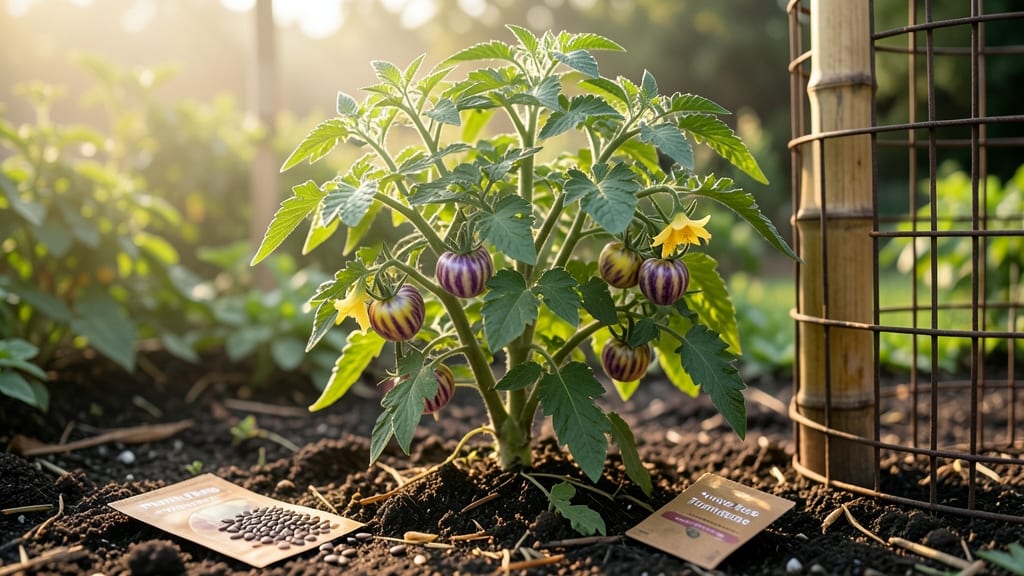
Growing Purple Zebra tomato seeds gives you striped purple fruit that tastes like sun-ripened sunshine—if you handle the heat and humidity right. 🌱 These heirlooms thrive in warm climates but need a few tricks to avoid cracking or blight, which is why I’ve grown them successfully in my Zone 8 garden for three summers now.
The key? Starting seeds early indoors and giving them consistent care once they hit the garden.
You’ll need a sunny spot with at least 6-8 hours of direct sunlight, well-draining soil mixed with compost, and a sturdy trellis or cage since these plants grow 4-6 feet tall. Purple Zebras are indeterminate, meaning they’ll keep producing until frost—so plan for a long season.
The striped fruit ripens from green to deep purple, and the flavor? A perfect balance of sweetness and smoky depth that’s hard to beat.
Expect your first harvest around 70-80 days after transplanting, but don’t rush the process—these tomatoes need time to develop their signature stripes and rich flavor. Prune suckers regularly to focus energy on fruit production, and watch for early signs of blight by spacing plants properly.
With the right care, you’ll end up with bushels of bold, beautiful, and delicious tomatoes that’ll have your neighbors asking for seeds.
This variety is perfect for gardeners in warm climates or those who love heirloom flavors, but even cooler zones can grow them with a little extra protection. Let’s get those seeds started—the payoff is worth every extra step.
📚 In This Guide
- What you need
- Instructions
- Tips and common mistakes
- Wrapping up and next steps
What you need
- ● Purple zebra tomato seeds – 1 packet (contains ~50-100 seeds, depending on the brand). Opt for organic, non-GMO seeds for best results!
- ● Seed-starting mix – 1-2 gallons of a lightweight, sterile potting soil (avoid garden soil—it can harbor diseases). Look for a mix labeled for seedlings or vegetables.
- ● Containers – 4-6 biodegradable seedling pots (2-3 inches deep) or a seed tray with individual cells. Alternatively, repurpose small yogurt cups or egg cartons!
- ● Grow lights or sunny windowsill – A full-spectrum LED grow light (e.g., 12-16 inches above seedlings) or a south-facing window receiving 6-8 hours of sunlight daily.
- ● Watering can or spray bottle – A gentle misting feature helps avoid disturbing seeds.
- ● Fertilizer – A balanced, water-soluble fertilizer (5-5-5 or 10-10-10 NPK ratio) for seedlings. Start with a half-strength dose after true leaves appear.
- ● Plant labels & marker – To track varieties (especially if growing multiple types!).
- ○ Heat mat (optional) – A seedling heat mat (70-75°F) speeds up germination in cooler climates.
- ● Transplanting tools – Small trowel or wooden popsicle sticks for easing seedlings into soil.
- ● Support structures – Cages, stakes, or trellis (5-6 feet tall) for indeterminate purple zebra plants.
- ● Mulch – Straw or shredded leaves to retain moisture and suppress weeds in the garden.
- ● Pruning shears – For trimming suckers and shaping plants as they grow.
Step-by-step instructions for growing purple zebra tomatoes
Here’s my go-to method for raising these heat-loving beauties—packed with tricks to maximize flavor and fruit.
🌱 Step 1: Start Seeds Indoors 8-10 Weeks Before Last Frost
Purple Zebras thrive when transplanted as sturdy seedlings, not tiny starts. Fill 4-inch peat pots with sterile seed-starting mix (not garden soil—it’s too dense) and moisten until damp like a wrung-out sponge. Plant 2 seeds per pot at ¼-inch depth, just below the surface. Cover lightly with more mix—don’t bury them deeper or germination slows.
Place pots in a seedling heat mat (75–85°F keeps them cozy) and cover with a clear plastic dome to trap humidity. Germination takes 7–14 days—watch for tiny sprouts peeking through the soil. Once they emerge, remove the dome immediately to prevent damping-off (a fungal disease that collapses stems overnight).
☀️ Step 2: Provide Strong Light and Prevent Leggy Growth
The moment seedlings break through the soil, they need 14–16 hours of bright light daily. A south-facing window won’t cut it—supplement with a grow light (LED or fluorescent) 2–4 inches above the plants. You’ll know it’s working when seedlings grow thick stems and dark green leaves spaced 1 inch apart. If they stretch toward the light with pale, sparse leaves, move the light closer.
Water from the bottom by placing pots in 1 inch of warm water for 10 minutes, then drain. This prevents fungal issues and encourages deep root growth. Fertilize lightly with half-strength liquid fertilizer when true leaves appear (those are the second set after the initial seed leaves).
🪴 Step 3: Harden Off and Transplant After All Frost Risk Passes
Two weeks before your last frost date, start hardening off seedlings. Place them outside in a shaded, sheltered spot for 1–2 hours the first day, then gradually increase time to full sun exposure over 7–10 days. This toughens them up so they don’t bolt or wilt when planted. Purple Zebras handle heat well, but sudden temperature swings can stress them.
Transplant on an overcast day or late afternoon to reduce shock. Bury seedlings deeper than the pot—up to the first set of true leaves—to encourage strong root systems. Space plants 24–36 inches apart in full sun (6+ hours daily). Mulch with 2–3 inches of straw to retain moisture and keep roots cool in hot climates.
💧 Step 4: Water Deeply and Fertilize for Maximum Fruit Production
Purple Zebras need consistent moisture—water deeply 1–2 times per week, soaking the soil 6–8 inches down. Let the top 2 inches dry out between waterings to prevent blossom-end rot (a common issue in this variety). Water at the base, not overhead, to avoid fungal diseases like early blight. You’ll know you’re doing it right when the soil feels damp but not soggy.
Feed plants every 2–3 weeks with a balanced fertilizer (10-10-10 or 5-5-5) once flowers appear. Purple Zebras are heavy feeders—skip fertilizer, and you’ll get fewer (but tastier) fruits. Prune suckers (the shoots in the joint between the stem and a branch) to direct energy to fruit production. Remove any leaves touching the soil to improve airflow and reduce disease risk.
✂️ Step 5: Harvest and Support for Continuous Production
Purple Zebras ripen unevenly, so check plants every 2–3 days starting 70–80 days after transplanting. Harvest when fruits turn deep purple with zebra stripes and yield slightly to gentle pressure. Use pruning shears to avoid damaging the vine. The more you pick, the more the plant produces—don’t let fruits overripe on the vine or they’ll turn mealy.
Support vines with cages or stakes as they grow to prevent sprawl and disease. If your region gets hotter than 90°F, provide afternoon shade to protect flowers from dropping. Purple Zebras are heat-tolerant but still benefit from consistent care—stay vigilant, and you’ll enjoy a bold, flavorful harvest well into fall.
Tips & tricks for perfect purple zebra tomato growth
These heat-loving beauties reward patience—here's how to maximize their potential without common pitfalls.
Germination Strategy: The 7-14 day germination window can feel like forever, but consistency is key. Keep the seed-starting mix at a steady 75-85°F using your heat mat, and maintain that humidity dome until sprouts appear. I've found that checking seeds daily with a bright light helps track progress—you'll notice the first tiny leaves peeking through the soil within 7-10 days if conditions are right. Once they emerge, immediately remove the dome to prevent damping-off, which can kill seedlings overnight.
Lighting Secret: Purple Zebras demand serious light—those 14-16 hours daily aren't optional. I've seen seedlings stretch toward windows like sunflowers when natural light isn't enough. Position your grow light 2-4 inches above the plants and adjust as they grow. Watch for dark green leaves spaced 1 inch apart as your success indicator. Pro tip: Rotate pots daily so all sides get even light exposure, preventing lopsided growth.
Transplanting Technique: Burying seedlings deeper than their pots might seem counterintuitive, but this encourages strong root systems. In Step 3, when transplanting, bury up to the first set of true leaves—this hidden stem will grow new roots. I always transplant on overcast days or late afternoons to reduce shock. After planting, water deeply to settle the soil around roots, creating better contact with the earth.
Heat Management: While Purple Zebras handle heat better than most varieties, temperatures above 90°F can still cause flower drop. In hot climates, provide afternoon shade during peak heat (1-4 PM) when flowers are most vulnerable. I've found that a simple shade cloth draped over cages works wonders. The key is maintaining consistent moisture—those deep waterings every 1-2 weeks keep roots happy even when air temps soar.
Pro Tips for Purple Zebra Tomato Seeds
- These heat-loving beauties reward patience—here's how to maximize their potential without common pitfalls.
- Germination Strategy: The 7-14 day germination window can feel like forever, but consistency is key.
- Lighting Secret: Purple Zebras demand serious light—those 14-16 hours daily aren't optional.
Frequently asked questions
Got questions about growing purple zebra tomato seeds? You’re not alone! This striking variety is packed with flavor and resilience, but it’s smart to know the ins and outs before planting. Here are answers to the most common queries—so you can grow like a pro.
Can purple zebra tomatoes survive in hot climates?
This variety is bred for heat resistance, thriving in temperatures up to 90°F (32°C). For extra protection in extreme heat, provide afternoon shade and mulch to retain soil moisture. Just avoid planting until soil temps hit 60°F (15°C)—chilly starts can stunt growth.
How long does it take for purple zebra tomato seeds to germinate?
Germination typically takes 7–14 days in warm, moist soil (70–85°F or 21–29°C). Keep seeds consistently damp but not soggy, and place them in indirect light until sprouts appear. Pro tip: Soak seeds overnight before planting to speed up the process!
Do I need to start purple zebra tomato seeds indoors first?
Yes! Start seeds 6–8 weeks before your last frost date indoors under grow lights. Transplant seedlings outdoors after nighttime temps stay above 55°F (13°C). Harden off seedlings for 1–2 weeks by gradually exposing them to outdoor conditions to avoid shock.
What’s the best way to store harvested purple zebra tomatoes?
These tomatoes ripen unevenly, so harvest when mostly red with purple stripes (they won’t soften further off the vine). Store at 55–65°F (13–18°C) with high humidity—use a paper bag to trap ethylene gas for faster ripening. Avoid refrigerating until fully ripe, or flavor suffers!
What can I plant alongside purple zebra tomatoes to boost growth?
Try companion planting with basil, marigolds, or onions to deter pests and improve flavor. Avoid planting near corn, fennel, or brinjals (eggplants), as they compete for nutrients. A 3-foot (1m) radius of herbs or flowers around your tomato plants works wonders!
Why are my purple zebra tomato leaves turning yellow?
Yellowing leaves often signal overwatering, nutrient deficiency, or disease. Check soil moisture (it should be damp, not waterlogged) and test for nitrogen (N), phosphorus (P), or potassium (K) imbalances. Fungal issues? Prune affected leaves and improve airflow. Pro tip: A balanced fertilizer like 10-10-10 can help!
Wrapping up and next steps
Growing purple zebra tomato seeds is a rewarding journey that brings vibrant color, unique flavor, and resilience to your garden—especially in warmer climates! These heat-resistant beauties not only stand out on the vine but also deliver a delicious, slightly sweet harvest that’s perfect for fresh eating or gourmet dishes.
Whether you're a seasoned gardener or just starting, their adaptability makes them a fantastic choice for bold, flavorful harvests.
Ready to plant your passion? Start by ordering your seeds today and give these striking tomatoes a try—your taste buds (and Instagram feed!) will thank you. 🌱✨ Happy growing!