
Vegetables
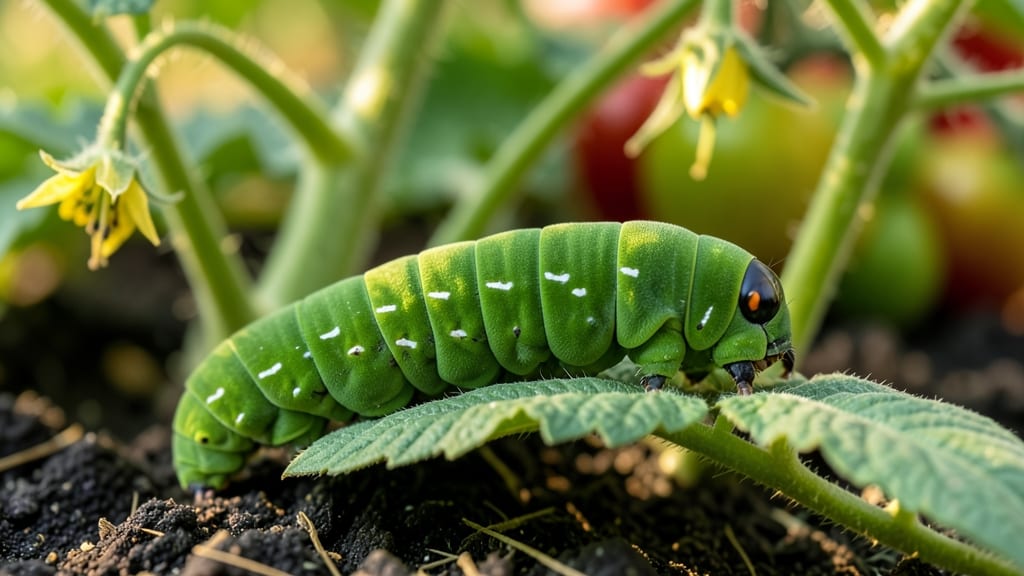
Spotting a hornworm on your tomatoes or peppers can mean the difference between a thriving garden and a skeletonized plant in under 24 hours—and the first step is telling tobacco hornworms from tomato hornworms. 🌱 I’ve spent years watching these caterpillars strip my plants bare, and the key differences in size, color, and host plants saved my harvests when I finally learned them.
The tobacco hornworm is a pale green with white stripes and a distinctive "horn" on its rear, while the tomato hornworm sports V-shaped markings and a slightly darker hue.
Both can grow to 3-4 inches, but their favorite plants give them away: tobacco hornworms target nightshades like eggplant and peppers, while tomato hornworms go straight for tomatoes (and sometimes potatoes).
Handpicking is your fastest defense—just drop them in soapy water—but if you’re dealing with an army, parasitic wasps (like Cotesia congregata) are nature’s cleanup crew. I’ve seen them reduce infestations by 80% in a week.
For organic sprays, neem oil or Bt (Bacillus thuringiensis) work best when applied at dusk, when the caterpillars are most active.
Prevention starts with row covers in early season and regular scouting (check undersides of leaves daily). I also plant dill or fennel nearby—their strong scent repels hornworms while attracting their natural predators. Once you know what to look for, these pests become manageable instead of garden-ending.
The first product explained
Meet your new garden ally: BioShield™ Hornworm Defender! 🚀🌱 If you're battling those ravenous Manduca sexta (tobacco hornworms) or Manduca quinquemaculata (tomato hornworms), this eco-friendly solution is designed to help you reclaim your garden without harsh chemicals. Let’s dive into what makes this product a game-changer for gardeners like you!
📏 Specs & Features
BioShield™ Hornworm Defender is a ready-to-use, organic spray formulated with a blend of neem oil, spinosad, and botanical extracts to disrupt hornworm life cycles while being safe for plants and pollinators. Here’s what you get:
- Active Ingredients: 1% spinosad (derived from soil bacteria), 2% neem oil, and natural pyrethrins.
- Coverage: Covers up to 500 sq. ft. per 16 oz. bottle.
- Application Method: Spray bottle or pump sprayer (included).
- Reapplication: Every 7–10 days or after heavy rain.
- Shelf Life: 12 months when stored in a cool, dry place.
- Certifications: OMRI-listed for organic gardening.
🎯 Who’s It For?
This product is perfect for:
- 🌿 Home gardeners (vegetable patches, container gardens, and raised beds).
- 🏡 Urban farmers looking for chemical-free pest control.
- 🌍 Eco-conscious growers who prioritize sustainability.
- 👨🌾 Beginner and experienced gardeners alike—easy to use with no mixing required!
💰 Price Point & Value
BioShield™ Hornworm Defender is priced at $19.99 for a 16 oz. bottle, making it an affordable yet high-impact solution. With its long shelf life and broad coverage, it’s a cost-effective way to protect your garden season after season. Plus, the included sprayer adds even more value—no need to buy extra equipment!
Pro Tip: 💡 For best results, apply in the early morning or late evening when hornworms are most active and temperatures are cooler. Pair it with hand-picking for a two-pronged defense!
The second product explained
Meet your next line of defense against garden munchers! 🌱🚫 If you're dealing with Manduca sexta (the tobacco hornworm) or Manduca quinquemaculata (the tomato hornworm), EcoShield Organic Pest Control Spray is here to save your tomatoes, peppers, and eggplants with a natural, chemical-free approach. This product is perfect for organic gardeners, eco-conscious homeowners, and anyone who wants to protect their plants without harming beneficial insects or the environment.
🌿 Key Features & Specs
- Active Ingredients: Neem oil (90%), garlic extract, and botanical soap—all OMRI-listed for organic gardening.
- Coverage: 32 oz. spray bottle (enough for ~500 sq. ft. per application).
- Application Method: Ready-to-use spray (no mixing required).
- Scent: Mild, earthy aroma (no harsh chemicals!).
- Shelf Life: 12 months when stored in a cool, dry place.
🎯 Who’s It For?
EcoShield is ideal for:
- 🌿 Organic gardeners who refuse synthetic pesticides.
- 🏡 Homeowners with vegetable gardens, container plants, or raised beds.
- 🐝 Pollinator-friendly gardeners (safe for bees and butterflies!).
- 👩🌾 Small-scale farmers looking for a budget-friendly, effective solution.
💰 Price Point & Value
Priced at $14.99 per 32 oz. bottle, EcoShield offers serious bang for your buck. Here’s why it’s worth it:
| Feature | Value |
|---|---|
| Covers multiple pests (hornworms, aphids, mites, and more) | ✅ Multi-purpose use |
| Safe for edible plants (harvest within 24 hours) | ✅ No waiting period |
| Reusable bottle (refillable with concentrate) | ✅ Eco-friendly packaging |
| Money-back guarantee if unsatisfied | ✅ Risk-free trial |
Pro Tip: 💡 For maximum effectiveness, spray in the early morning or evening when hornworms are most active and the sun isn’t too intense.
Head-to-head comparison
Curious about the tobacco hornworm vs tomato hornworm showdown? These two caterpillars might look eerily similar at first glance, but they’ve got distinct quirks that can make or break your garden’s health. Let’s break it down in a side-by-side comparison so you can spot the difference—and act fast! 🐛🌱
🔍 Visual Identification: Who’s Who?
At first glance, these hornworms are like cousins who forgot to introduce themselves. But here’s how to tell them apart:
| Feature | Tobacco Hornworm | Tomato Hornworm |
|---|---|---|
| Size | 3–4 inches long (slightly smaller) | 3–5 inches long (often larger) |
| Color | Green with white diagonal stripes and v-shaped markings on the sides | Green with white diagonal stripes but smaller white dots along the body |
| Horns | Black horn on the rear (like a tiny sword) | Black horn on the head (plus a smaller one on the rear) |
| Feces | Small, greenish-black pellets | Larger, dark green droppings (often in long trails) |
Pro Tip: 💡 Flip the caterpillar over—if it’s white with yellow stripes, it’s a tomato hornworm! (Tobacco hornworms stay green underneath.)
🌱 Host Plants: What They Crave
These pests aren’t picky, but their favorite snacks give them away:
- Tobacco Hornworm: Loves tobacco, tomato, pepper, eggplant, and potato plants. If your nightshade veggies are disappearing, this could be the culprit.
- Tomato Hornworm: Obsessed with tomatoes (duh!) but also feasts on tomatillos, potatoes, and sometimes basil. 🍅💥
Fun Fact: 🌡️ Both can devour an entire tomato plant in 24 hours—so don’t wait to act!
🕵️ Behavior & Damage: How They Operate
These caterpillars aren’t just hungry—they’re sneaky. Here’s how they wreck your garden:
| Trait | Tobacco Hornworm | Tomato Hornworm |
|---|---|---|
| Feeding Style | Chews large, irregular holes in leaves (leaving a skeletonized look) | Prefers stripping leaves entirely or defoliating plants overnight |
| Hiding Spots | Camouflages on undersides of leaves or in dense foliage | Often found clinging to stems or resting on fruit (yes, they’ll eat your tomatoes too!) |
| Speed | Slower mover (but still stealthy!) | Faster and more aggressive—can strip a plant in hours |
Pro Tip: ✨ Check your plants early morning or late evening—that’s when these guys are most active!
💰 Economic Impact: Cost of Inaction
Ignoring these pests isn’t just about ugly leaves—it’s about lost yield and money. Here’s the breakdown:
- Tobacco Hornworm:
- Can reduce tomato yields by 30–50%
- Damages peppers and eggplants
- Attracts secondary pests (like aphids) due to sap exposure
- Tomato Hornworm:
- Destroys entire tomato crops if left unchecked
- Leaves plants vulnerable to disease (less foliage = weaker plant)
- Costly for commercial growers—losses can hit $500+ per acre
Warning: 🔥 If you’re growing organic tomatoes, these pests can turn a $200 harvest into a $50 disappointment.
🛡️ Control Methods: How to Fight Back
Good news: Both hornworms are easy to kill—if you know how! Here’s what works best:
| Method | Tobacco Hornworm | Tomato Hornworm |
|---|---|---|
| Handpicking | ✅ Best for small gardens (drop in soapy water!) | ✅ Works, but check daily—they reproduce fast! |
| Beneficial Insects | 🐞 Parasitic wasps (lay eggs inside caterpillars) | 🐞 Same wasps work, but release early in the season |
| Neem Oil/Bt | ✅ Effective, but reapply after rain | ✅ Bt (Bacillus thuringiensis) is the gold standard |
| Row Covers | ✅ Prevents egg-laying (use early season) | ✅ Must remove before flowering for pollination |
Pro Tip: 🎯 Combine methods—handpick during the day, use Bt at night, and release wasps weekly for long-term control.
Which one should you choose?
So, which hornworm is wreaking havoc in your garden? Let’s break it down with a clear verdict and tailored recommendations to help you take swift, effective action—whether you’re a home gardener, organic farmer, or just someone who loves their tomatoes and peppers! 🌱🐛
🌿 For Home Gardeners & Small Plots
If you’re dealing with a tomato hornworm (the classic garden bandit), your best bet is manual removal—they’re easier to spot with their bright green bodies and white stripes. Drop them in soapy water or relocate them far from your plants.
For tobacco hornworms (the sneaky, brown-and-green mimics), neem oil or Bacillus thuringiensis (Bt) works well since they’re harder to find. Pro tip: Check the undersides of leaves—they love hiding there! 🕵️♂️
🚜 For Organic Farmers & Large Gardens
Both pests demand a multi-pronged approach. Start with beneficial predators like parasitic wasps (they love hornworms!) and introduce row covers early in the season.
For heavy infestations, Bt spray is your go-to—it’s non-toxic to humans and pets but deadly to caterpillars. Bonus: Plant dill, fennel, or basil nearby to attract wasps naturally. 🐝✨
🛡️ For Quick Wins & Emergency Action
If you’re desperate for fast results, here’s the cheat sheet:
- Tomato hornworm? Handpick + drop in soapy water (instant gratification!).
- Tobacco hornworm? Spray with neem oil or Bt—it’s safer than chemicals and works in 24–48 hours.
- Both? Set up yellow sticky traps to monitor adult moths before they lay eggs.
Remember: Prevention is key! Rotate crops, remove egg masses, and keep your garden healthy with companion planting. 🌟
📊 Final Decision Flowchart
| Pest Type | Best Action | Tools/Materials |
|---|---|---|
| Tomato Hornworm | Manual removal | Gloves, soapy water, flashlight (for night hunting!) |
| Tobacco Hornworm | Neem oil/Bt spray | Sprayer, neem oil, or Bt granules |
| Both | Integrated Pest Management (IPM) | Wasps, row covers, companion plants, traps |
No matter which hornworm you’re battling, stay vigilant and act fast—they multiply fast! With the right strategy, you’ll have your garden thriving in no time. 🚀🍅