
How To
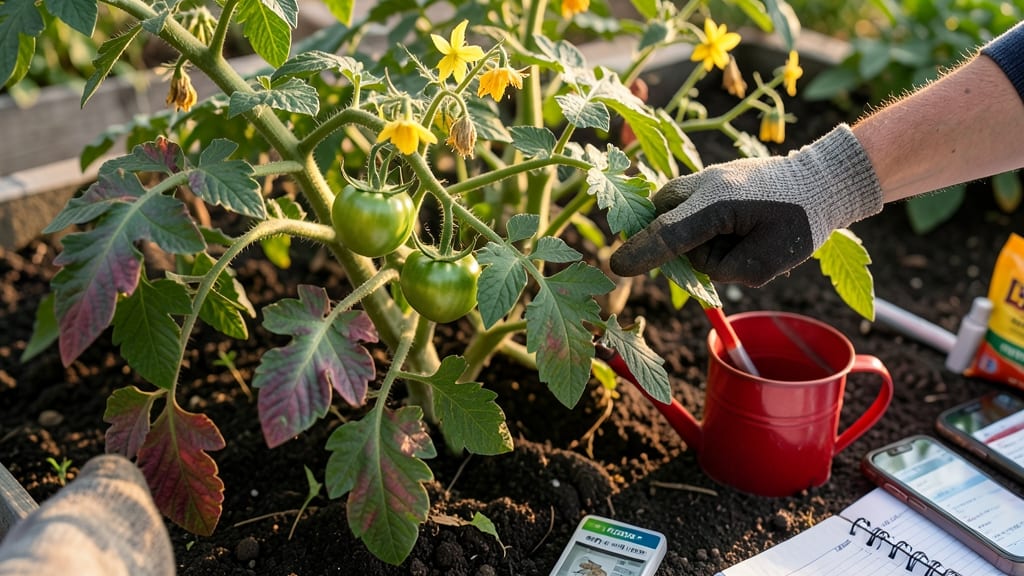
Tomato leaves turning purple isn't just unsightly—it's a cry for help from your plants. 🌱 I've seen this happen after a cold snap, overwatering, or when the soil runs low on key nutrients, and the good news is you can fix it before the fruit suffers.
The first step is checking the soil moisture and temperature. Purple leaves often mean either drought stress (roots struggling to pull up water) or cold damage (roots can't absorb nutrients properly).
Grab a trowel and dig near the base—if the soil feels like a damp sponge or is rock-hard, that's your first clue. You'll want to adjust watering immediately (deep and infrequent is best) and test your soil's pH and nutrient levels.
A simple at-home kit can show if phosphorus or potassium is lacking—two nutrients that show up as purple hues when they're missing. Once you balance these, your leaves should start greening up within a week. This fix works for both container tomatoes and in-ground plants, and the best part?
You'll prevent future purple patches by monitoring soil moisture and temperature after extreme weather. Let's get those plants back to vibrant green!
The Hidden Triggers Behind Purple Tomato Leaves
When your tomato plants start sporting unexpected purple hues on their leaves, it’s rarely just a quirky visual quirk—it’s a cry for help from your plants. Understanding the root causes (literally and figuratively) is the first step to restoring their health.
Let’s break down the science behind this color shift and what it’s really telling you.
Tomatoes are warm-weather lovers, and when they’re exposed to consistent temperatures below 50°F (10°C) or sudden drops, their leaves may turn purple as a survival tactic. Here’s why:
- Anthocyanin production: Cold stress triggers the accumulation of anthocyanins, pigments that act like sunscreen for plants. These compounds protect cell membranes from damage caused by chilly conditions.
- Nutrient uptake disruption: Cold soil slows root activity, making it harder for plants to absorb phosphorus and nitrogen—key nutrients that keep leaves green. Without enough phosphorus, chlorophyll production grinds to a halt, revealing the purple undertones.
- Day-night temperature swings: If your tomatoes experience warm days followed by cold nights, the stress compounds. This is especially common in spring or fall when evenings dip unexpectedly.
Actionable fix: If cold is the culprit, protect your plants with row covers or move containers to a sheltered spot. For gardeners in cooler climates, opt for cold-tolerant varieties like ‘Siberian’ or ‘Stupice’ tomatoes.
Watering issues are a top contender for purple leaves, and the problem can stem from either overwatering or underwatering. Here’s how each scenario plays out:
| Issue | Why It Causes Purple Leaves | How to Spot It |
|---|---|---|
| Underwatering | When soil dries out, roots struggle to deliver nutrients, particularly phosphorus. The plant prioritizes survival over growth, leading to purple tinges as anthocyanins take over. | Crispy leaf edges, wilting, and soil pulling away from pot edges (for container plants). |
| Overwatering | Excess moisture suffocates roots, cutting off oxygen and preventing nutrient absorption. Poor drainage also leads to phosphorus deficiency, which mirrors the symptoms of underwatering. | Yellowing leaves, mushy stems, and soil that stays soggy for days. |
| Irregular watering | Fluctuating moisture levels stress the plant, triggering anthocyanin production as a protective response. | Purple leaves paired with uneven wilting or spots of dry soil. |
Actionable fix:
- 💡 Check soil moisture by sticking your finger 1–2 inches into the soil. Water when it’s dry to the touch (aim for consistency).
- 🌱 Improve drainage by amending heavy soil with compost or perlite, or ensure pots have drainage holes.
- 🌡️ Mulch around the base of plants to retain even moisture levels.
While nitrogen steals the spotlight for leaf color issues, phosphorus deficiency is the silent villain behind purple tomato leaves. Phosphorus is critical for energy transfer and root development, and its lack sends plants into a survival mode that includes:
- Stunted growth: Phosphorus helps convert sugars and starches into energy. Without it, plants can’t grow efficiently, leading to weak stems and small leaves.
- Purple undersides: The most telltale sign is a deep purple or violet hue on the underside of leaves, often starting at the leaf veins and spreading outward.
- Delayed flowering/fruiting: Phosphorus is essential for flower and fruit development. Deficient plants may produce fewer tomatoes or ones that ripen poorly.
Actionable fix:
- 💡 Test your soil with a DIY kit or send a sample to a local extension office for a full analysis.
- 🌱 Add phosphorus-rich amendments like bone meal (apply 1–2 tbsp per plant, 4–6 inches from the stem) or rock phosphate.
- 🍅 Use a balanced fertilizer (e.g., 10-10-10 or 5-10-10) and apply it at the first sign of deficiency. Avoid high-nitrogen fertilizers, which can worsen the issue.
While less common, fungal infections, viral diseases, or pest damage can also trigger purple discoloration as a secondary stress response. Here’s how to tell if invaders are the culprit:
- Fungal diseases (e.g., early blight, septoria leaf spot): Purple or brown spots may appear alongside yellowing or dead patches. Check for target-shaped lesions or concentric rings on leaves.
- Viral infections (e.g., tomato mosaic virus): Purple mottling often accompanies stunted growth, distorted leaves, and reduced fruit production. Viruses are spread by aphids or contaminated tools.
- Pest damage (e.g., spider mites, aphids): Heavy infestations weaken plants, causing stress-related purple hues. Look for tiny webs, sticky residue (honeydew), or chewed leaf edges.
Actionable fix:
- 🔥 Isolate affected plants to prevent spread. Remove and destroy severely infected leaves or plants.
- 🌱 Spray with neem oil or insecticidal soap for pests. For fungi, apply copper fungicide or a baking soda solution (1 tbsp baking soda + 1 quart water + a few drops of dish soap).
- 🛡️ Prevent future outbreaks by practicing crop rotation, sterilizing tools, and encouraging beneficial insects like ladybugs.
If you’ve recently repotted or transplanted your tomato plants, purple leaves could signal root disturbance or damage. Here’s what’s happening:
- Root pruning: During transplanting, roots are inevitably trimmed, disrupting the plant’s ability to absorb water and nutrients. This stress triggers anthocyanin production as a protective measure.
- Poor root-to-soil contact: If roots aren’t properly buried or the soil isn’t well-aerated, they can’t establish quickly, leading to nutrient deficiencies.
- Shock from sudden changes: Moving plants from containers to the ground (or vice versa) can be jarring, especially if environmental conditions differ drastically (e.g., sun exposure, wind).
Actionable fix:
- 🌱 Give plants time to recover—purple leaves from transplant shock usually fade within 1–2 weeks if conditions are ideal. <
Fixing Purple Tomato Leaves Fast
Tomato leaves turning purple can be alarming, but the good news is that most causes have simple, science-backed fixes. Whether it’s nutrient deficiencies, temperature stress, or pests, here’s how to diagnose and reverse the issue—plus tips to keep your plants thriving long-term.
---
If purple leaves stem from a lack of phosphorus, potassium, or nitrogen, act fast to restore balance.
#### 💡 Boost Phosphorus (Purple Stems & Leaf Undersides) Phosphorus helps roots and flowers develop.
If your tomato plants show deep purple veins or stems, they’re crying out for this nutrient. - Solution: Apply a balanced fertilizer (like 10-10-10) or a phosphate-rich supplement (e.g., bone meal or rock phosphate). - How to apply: - Sprinkle 1–2 tablespoons of bone meal around the base of the plant (but not touching the stem). - Water lightly to activate nutrients. - Repeat every 4–6 weeks during the growing season. - Prevention: Test soil every 2–3 years and amend with compost to maintain phosphorus levels naturally.
#### 🍳 Correct Potassium Deficiency (Edge Browning + Purple) Potassium helps regulate water and disease resistance.
If leaves turn purple at the edges with brown spots, potassium is likely the issue. - Solution: Use a potassium-rich fertilizer (like potassium sulfate or wood ash). - How to apply: - Mix 1 tablespoon of potassium sulfate per gallon of water and water the soil at the base. - Alternatively, sprinkle wood ash (from untreated wood) lightly around plants. - Prevention: Avoid overwatering (leaches potassium) and mulch with well-rotted manure to replenish soil.
#### 🌱 Fix Nitrogen Shortage (Pale Purple + Stunted Growth) If leaves are light purple or yellowing with slow growth, nitrogen is missing. - Solution: Add nitrogen-rich amendments like blood meal, fish emulsion, or compost. - How to apply: - Sprinkle ½ cup of blood meal per plant and water in. - Or use fish emulsion (1–2 tbsp per gallon of water) as a foliar spray or soil drench. - Prevention: Side-dress plants with compost tea every 3–4 weeks to maintain nitrogen.
---
If temperatures dip below 50°F (10°C) at night, tomato leaves may turn purple as a stress response.
#### 🌡️ Protect Plants from Cold Snaps - Short-term fix: Cover plants with frost blankets or row covers when temps drop. - Long-term fix: Choose cold-tolerant varieties (e.g., ‘Mountain Merit’ or ‘Stupice’). - Prevention: - Plant tomatoes after the last frost date in your zone. - Use black plastic mulch to warm soil faster. - Avoid planting near windy areas that accelerate cooling.
---
If purple patches appear suddenly with spots, wilting, or deformities, pests or diseases may be to blame.
#### 🔪 Treat Aphids, Spider Mites, or Viruses - Solution: - Spray with neem oil (1 tsp per quart of water) to kill soft-bodied pests. - Introduce beneficial insects (ladybugs or lacewings) for natural control. - Remove infected leaves immediately to stop spread. - Prevention: - Inspect plants weekly for early signs of pests. - Rotate crops yearly to prevent soil-borne diseases.
#### 💊 Cure Fungal Issues (Early Blight or Septoria Leaf Spot) If purple leaves have black or brown spots with yellow halos, a fungus may be at work. - Solution: - Apply copper fungicide or baking soda spray (1 tbsp baking soda + 1 tsp oil + 1 gallon water). - Prune affected foliage and dispose of it in the trash (not compost). - Prevention: - Water at the base (not overhead) to keep leaves dry. - Space plants properly for airflow (18–24 inches apart).
---
Improper watering or soil pH can also trigger purple leaves.
#### 💧 Fix Overwatering or Drought Stress - Overwatering? Purple leaves + mushy stems = root rot. - Solution: Let soil dry slightly between waterings.
Use well-draining soil with perlite or sand. - Underwatering? Purple leaves + crispy edges = drought stress. - Solution: Water deeply 1–2 times per week (check soil 1 inch down—it should be moist but not soggy).
#### 📊 Balance Soil pH (Ideal: 6.0–6.8) - Test pH with a kit (available at garden centers). - Too acidic (below 6.0)? Add lime to raise pH. - Too alkaline (above 7.0)? Mix in sulfur or peat moss to lower pH.
---
- 💡 Mulch heavily (2–3 inches) to retain moisture and nutrients. - 🎯 Harvest regularly—overripe tomatoes stress plants, worsening deficiencies. - ✨ Rotate crops—don’t plant tomatoes in the same spot yearly to prevent nutrient depletion. - 🌡️ Monitor weather—use a plant thermometer to track temperature stress.
--- Remember: Most purple-leaf issues resolve within 1–2 weeks of corrective action. If problems persist, test your soil for a precise nutrient map! 🌱
Frequently asked questions
Why do only the newer tomato leaves turn purple while older ones stay green?
This usually indicates a phosphorus deficiency developing in young growth. New leaves show symptoms first because the plant prioritizes sending nutrients to established leaves. Test your soil—phosphorus helps with energy transfer, and without it, young leaves can't produce enough chlorophyll, revealing purple anthocyanins as a stress response.
Can I still harvest tomatoes if the leaves are turning purple?
Yes, but focus on existing fruit rather than new growth. Purple leaves mean the plant is stressed, which can reduce future production, but the current tomatoes should still ripen normally. Address the underlying issue (like nutrient imbalance or temperature stress) to ensure healthy new growth for next season.
What's the quickest way to tell if purple leaves are from cold stress vs. nutrient deficiency?
Check the soil temperature first—if it's below 55°F (13°C), cold stress is likely. For nutrient issues, examine the leaf undersides: phosphorus deficiency shows deep purple veins, while potassium deficiency causes purple edges with brown spots. A soil test confirms the exact cause.
Will purple tomato leaves affect the taste of the fruit?
Not directly, but severe stress may reduce flavor development. The plant's energy goes toward survival (purple leaves) rather than fruit quality. Fix the issue quickly—healthy green leaves mean sweeter, more flavorful tomatoes. The flavor impact is minimal unless the plant is extremely stressed for weeks.
Can I use coffee grounds to fix purple tomato leaves?
Coffee grounds can help with nitrogen (if leaves are pale purple/yellow), but they won't address phosphorus or potassium deficiencies. Use them sparingly (½ cup per plant) as a top-dressing, but test your soil first—too much acidity from coffee can worsen nutrient uptake issues.