
How To
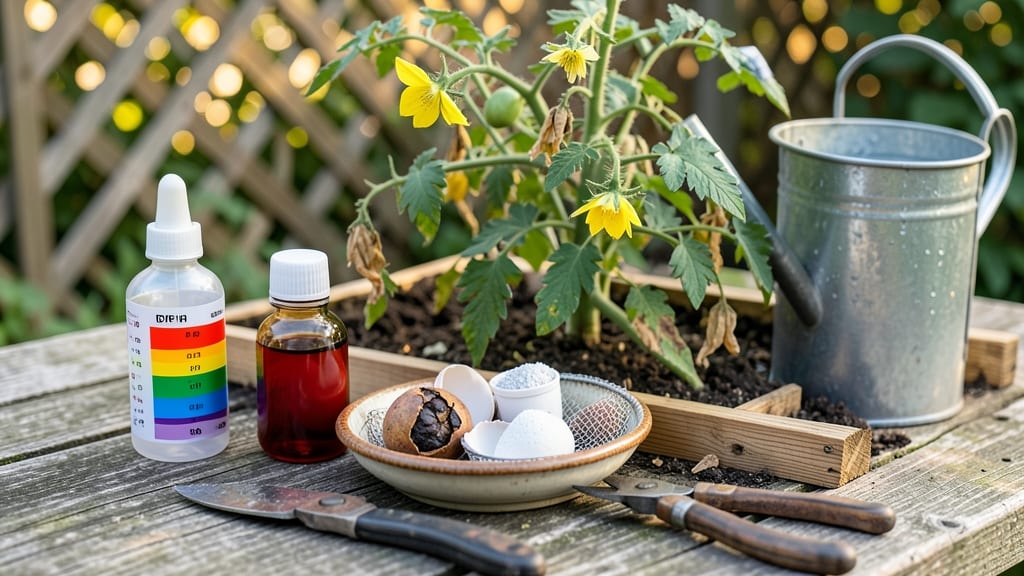
A tomato blossom rot remedy can save your tomatoes when blossom rot turns fruit into leathery husks. 🌱 I’ve nursed back plants that looked doomed—just by addressing the calcium deficiency and environmental stress causing the problem.
The key is acting fast when you spot those telltale brown, rotting spots on blossom ends.
This remedy works because hydrogen peroxide boosts calcium uptake while disinfecting roots. You’ll need a 3% solution, a bucket, and about 15 minutes of your time. The process is simple, but timing matters—wait until morning so the plants dry before evening.
For best results, combine this with a soil calcium boost using crushed eggshells or gypsum.
Within a week, you’ll see new growth pushing out, and those wilted leaves will perk up. The real magic happens when you prevent recurrence: monitor soil pH (aim for 6.2-6.8), water consistently, and avoid over-fertilizing with nitrogen. Your next harvest will be full, firm tomatoes instead of shriveled disappointments.
This method works for both container and in-ground tomatoes, and it’s safe for all varieties. The secret is catching blossom rot early—don’t wait until the plant looks like it’s giving up. Let’s get those tomatoes thriving again!
Root Causes Of Blossom Failures
Tomato blossom rot isn’t just a random act of nature—it’s a clear signal that something’s off in your garden’s balance. Understanding the why behind this frustrating issue helps you fix it before it ruins your harvest.
Let’s break down the key culprits, from soil chemistry to environmental stress, and why they sabotage your tomato flowers.
Blossom rot starts when your tomato plants can’t access enough calcium, even if the soil looks fertile. Here’s why:
- Calcium’s Role: This mineral is the "glue" that holds plant cell walls together.
Without it, young fruit (still just blossoms) develop weak spots that burst open when exposed to water—leading to rot. - Why It Happens: - Poor Soil Mobility: Calcium binds tightly to soil particles, especially in clay or alkaline soils.
Even if your soil has calcium, the roots can’t absorb it fast enough during rapid growth (like when tomatoes flower). - Overwatering or Irregular Watering: Flooding the roots washes away calcium before the plant can use it.
Drought stress also disrupts nutrient uptake. - Competing Nutrients: Too much potassium or magnesium (common in fertilizers) can block calcium absorption, leaving your blossoms starved. - The Tell: Rot appears as sunken, leathery brown spots on blossom ends—often while the rest of the fruit looks healthy.
Water is life, but too much or too little sends your tomato plants into panic mode, triggering blossom rot. Here’s how:
- Overwatering: - Root Suffocation: Soggy soil cuts off oxygen, forcing roots to scramble for nutrients—including calcium.
The plant prioritizes survival over fruit development. - Disease Gateway: Excess moisture invites fungal pathogens (like Fusarium) that weaken roots, indirectly causing nutrient uptake failures. - Underwatering: - Transpiration Shock: When soil dries out, the plant stops moving water upward, halting calcium transport to blossoms.
The ends dry out, then rot when rewatered. - Blossom End Rot Trigger: Even a single day of drought can set off a chain reaction, especially in fast-growing varieties like cherry tomatoes.
Tomatoes are tough, but they hate extremes. When conditions get chaotic, blossoms abort or rot prematurely:
- Extreme Heat: - Pollination Failure: Temperatures above 90°F (32°C) can kill pollen, preventing fruit from forming.
Even if a fruit starts, it may develop internal rot due to poor calcium distribution. - Water Loss: Heat speeds up transpiration, making it harder for roots to keep up with calcium demand. - Strong Winds or Hail: - Physical Damage: Blossoms can abrasion or tear, exposing tissue to rot-causing microbes. - Stress Response: The plant diverts energy to healing, neglecting nutrient delivery to developing fruit. - Poor Air Circulation: - Humidity Traps: Stagnant air around plants slows evaporation, leading to waterlogged blossoms—perfect conditions for rot.
Soil pH acts like a nutrient gatekeeper. If it’s off, calcium and other essentials become inaccessible, even if they’re present:
- Too Acidic (pH < 6.0): - Calcium Becomes Unavailable: Acidic soils bind calcium tightly, making it unusable.
The plant can’t extract enough to support blossoms. - Aluminum Toxicity: Low pH releases harmful aluminum, which competes with calcium uptake. - Too Alkaline (pH > 7.5): - Calcium Precipitates: High pH causes calcium to form insoluble compounds, clogging soil pores and starving roots. - Micronutrient Deficiencies: Essential helpers like boron and magnesium (which work with calcium) become scarce, worsening rot risk.
Not all fertilizers are created equal—and overdoing it can backfire spectacularly:
- High Potassium (K) Fertilizers: - Calcium Blockade: Potassium outcompetes calcium for uptake. A common mistake?
Using banana peel tea or wood ash (high in potassium) without balancing calcium. - Synthetic Fertilizers Without Calcium: - Nitrogen-Push Growth: Fast, leafy growth drains calcium reserves before blossoms even form.
The plant prioritizes foliage over fruit development. - Organic Matter Imbalance: - Too Much Compost: While compost is great, fresh, high-carbon materials (like sawdust) can tie up calcium, making it unavailable during critical flowering stages.
Even if your tomato plant looks healthy above ground, root problems can silently cause blossom rot:
- Compacted Soil:
- Restricted Root Growth: Roots can’t spread to access deeper calcium deposits, leaving blossoms starved.
- Root-Knot Nematodes:
- Nutrient Theft: These microscopic pests damage root hairs, reducing the plant’s ability to absorb calcium and water efficiently.
- Physical Injury:
- Cultivating Too Close: Disturbing roots during weeding or mulching stresses the plant, halting nutrient transport to blossoms.
💡 Pro Tip: Blossom rot often starts within 24–48 hours of a stress event (like overwatering or heatwave). Monitor your plants during high-risk periods—catching the early signs (like yellowing leaves or wilting) can prevent rot before it begins.
Quick Fixes for Blossom Rot
Tomato blossom rot can feel like a gardener’s nightmare—one day your plants look healthy, and the next, your tomatoes are shriveled and unusable. But don’t toss those plants just yet! With the right approach, you can revive affected plants, prevent further damage, and even salvage some of your crop.
Below are practical, step-by-step solutions tailored to the most common causes of blossom rot, along with prevention tips to keep your tomatoes thriving.
Blossom rot is often triggered by a lack of calcium, which weakens cell walls in developing fruit. Here’s how to correct it fast:
🍳 Emergency Calcium Boost (Same-Day Fix)
- Mix a calcium-rich solution: Combine 1 tablespoon of calcium chloride or gypsum (calcium sulfate) in 1 gallon of water.
- Soak the roots: Water the base of the plant deeply with this solution, ensuring it reaches the root zone.
- Folate spray for extra absorption: Mix 1 tablespoon of Epsom salt (magnesium sulfate) with 1 gallon of water and spray the leaves lightly. Magnesium helps calcium uptake.
- Repeat every 3–5 days until new blossoms form and old fruit starts healing.
🌱 Long-Term Soil Remedy
- Amend your soil: Work 2–3 cups of crushed eggshells (baked and ground) or pelletized chicken manure into the soil around the plant.
These release calcium slowly. - Use compost tea: Brew a compost tea (steep compost in water for 24 hours, strain) and water the plants.
It adds organic calcium and microbes that aid nutrient absorption. - Mulch properly: Apply 2–3 inches of straw or wood chips to retain moisture and prevent calcium leaching.
💡 Pro Tip: If your soil is sandy or acidic, calcium washes away faster. Test your soil’s pH (ideal: 6.0–6.8) and adjust with lime if needed.
Blossom rot thrives in inconsistent moisture—either drought stress followed by sudden watering or overly wet soil. Here’s how to balance it:
👨🍳 Adjust Your Watering Routine
- Deep watering, less often: Water once every 2–3 days (depending on climate) with 1–2 inches of water per session. Use a soaker hose or drip irrigation to avoid wetting leaves.
- Morning watering only: Water early in the day so foliage dries by evening, reducing fungal risks.
- Check soil moisture: Stick your finger 1–2 inches into the soil. If it’s dry, water; if soggy, hold off.
🌡️ Prevent Soil Compaction & Improve Drainage
- Aerate the soil: Gently loosen soil around the base with a fork to help roots breathe.
- Raise beds if needed: If your garden floods easily, elevate tomato plants in raised beds or containers with well-draining potting mix.
- Avoid overhead watering: Splashing water on leaves spreads disease.
Aim for root-level hydration.
🔥 Pro Tip: If your plants are already showing rot, prune affected fruit immediately to redirect the plant’s energy to healthier growth.
Extreme heat or cold disrupts calcium uptake, making blossom rot worse. Here’s how to stabilize conditions:
🌿 Shield Plants from Stress
- Shade cloth for hot days: If temperatures exceed 90°F (32°C), drape lightweight shade cloth (30–50%) over plants to reduce stress.
- Evening watering in heatwaves: If you must water in the evening, do it before sunset to prevent fungal growth.
- Cold protection: If nights dip below 50°F (10°C), cover plants with frost blankets or move potted tomatoes to a sheltered spot.
✨ Improve Air Circulation
- Prune lower leaves: Remove leaves touching the soil to reduce humidity near the fruit.
- Space plants properly: Ensure 18–24 inches between tomato plants for airflow.
- Use a fan (lightly): A gentle breeze from a small fan can prevent fungal buildup.
Once you’ve treated the problem, lock in success with these habits: - Fertilize wisely: Use a balanced fertilizer (10-10-10) or compost tea every 2–3 weeks, but avoid high-nitrogen feeds (they promote leafy growth over fruit). - Monitor blossoms: If flowers drop without setting fruit, it’s a calcium warning sign—act fast! - Rotate crops: Don’t plant tomatoes in the same spot yearly—this prevents soil depletion. - Test your water: If your tap water is hard (high in calcium), great!
If it’s soft, add 1 teaspoon of calcium chloride per gallon when watering.
If fruit is already rotted, it’s best to remove it to prevent spreading.
However: - Check for healthy green tissue: If the core is still firm, you might salvage a slice for cooking (peel and boil to kill bacteria). - Use affected leaves as mulch: If only leaves show signs of stress, chop them up and add to compost (avoid diseased leaves).
By tackling calcium deficiency, watering habits, and environmental stress, you’ll not only stop blossom rot in its tracks but also boost future harvests. Happy gardening! 🌱🍅
Frequently asked questions
Can I still save tomatoes already showing blossom rot?
You can try! Remove the rotted portions immediately to prevent spread. If the core remains firm, peel and cook the unaffected parts (boiling kills bacteria). For severe cases, prune affected fruit to redirect the plant’s energy to healthier growth. The key is acting fast—don’t wait until the entire tomato is ruined.
How often should I apply the hydrogen peroxide remedy?
Use the 3% hydrogen peroxide soak once every 7-10 days during active growth (flowering/fruiting stages). Mix 1 tablespoon per gallon of water and apply directly to soil. Stop when new blossoms appear healthy. Overuse can harm beneficial soil microbes, so balance with regular watering.
Will crushed eggshells really help prevent blossom rot?
Bake and grind eggshells into a fine powder, then work 2-3 cups per plant into the soil. They release calcium slowly over 3-6 months. For faster results, steep crushed shells in water overnight and use as a foliar spray. Just avoid overdoing it—too much can raise soil pH too quickly.
My soil pH is 7.2—is that too alkaline for tomatoes?
Not quite! The ideal range is 6.2-6.8, so your soil is slightly alkaline. To improve calcium uptake, add gypsum (calcium sulfate) which won’t alter pH but provides soluble calcium. Test your soil again in 3 months—if pH rises above 7.0, amend with sulfur or peat moss to bring it down.
Can I use this remedy on other plants with similar problems?
Yes! The hydrogen peroxide soak works for peppers, cucumbers, and squash too—any plant prone to blossom end rot. Just adjust the frequency: every 2 weeks for fast-growing plants like cucumbers. For strawberries, use half the concentration (½ tablespoon per gallon) to avoid leaf burn.