
Vegetables
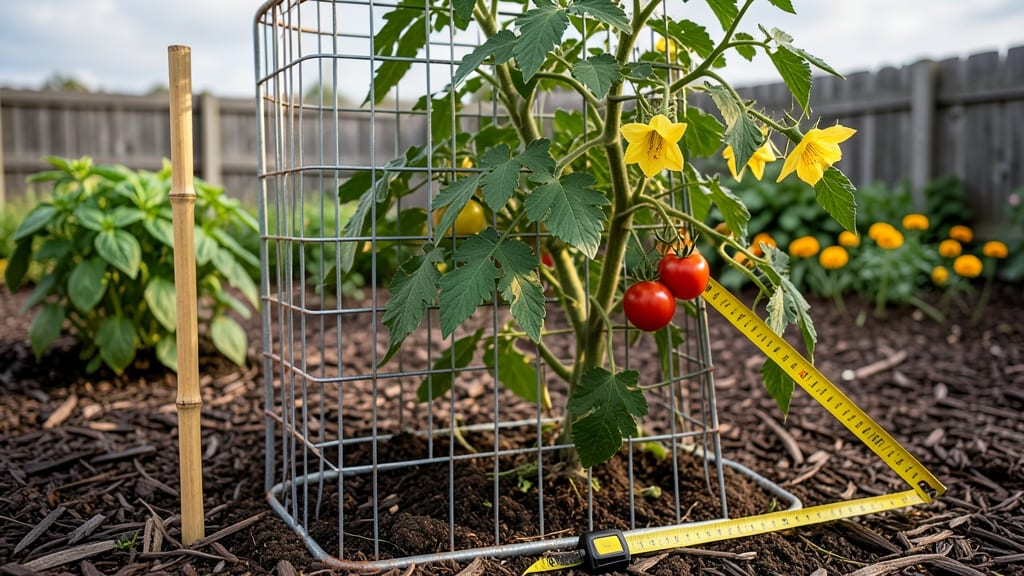
Your tomato cage dimensions make or break that 6-foot-tall indeterminate vine you're dreaming of. 🌱 I learned the hard way—my first plastic cage collapsed under a 12-pound tomato load, and those beauties hit the ground like cannonballs.
The right size isn't just about height; it's about width, material, and how your plant grows. Determinate tomatoes (the bushy types) need 4-foot cages with 24-inch widths—just enough to support their compact frames. But indeterminate varieties?
Those sky-scrapers demand 6-to-7-foot cages with 30-inch diameters, or they’ll flop like overgrown weeds. Metal cages last years, plastic bends but breaks, and DIY wooden frames give you custom sizing for stubborn vines.
You’ll see the difference immediately: sturdy cages keep fruits off the soil (bye, rot), prevent disease spread, and let you harvest without wrestling with sprawling vines. A properly sized cage also means more sunlight exposure for lower leaves, leading to better fruit set and fewer blight issues.
Common mistakes? Too-narrow cages that strangle growth, or flimsy materials that bend under weight. Measure your tallest tomato variety before buying—indeterminates can stretch 10+ feet if given the chance. And always bury the cage 6 inches deep for stability. Trust me, your tomatoes will thank you.
📚 In This Guide
- What you need
- Instructions
- Tips and common mistakes
- Wrapping up and next steps
What you need
- ● Metal or plastic tomato cage: Standard dimensions: 4–6 feet tall × 12–18 inches wide (adjust based on plant variety).
- ● Material options: Galvanized steel (durable), plastic-coated wire (lightweight), or bamboo (eco-friendly).
- ● Measuring tape: For verifying cage dimensions and spacing.
- ● Heavy-duty gloves: Protects hands when handling sharp wire or metal edges.
- ○ Sturdy stakes or ground anchors: 4–6 per cage (optional but recommended for windy areas).
- ● Garden twine or plant ties: 1–2 rolls (for securing vines to the cage).
- ● Concrete or sandbags: To weigh down cages in high-wind zones.
- ● Pruning shears: For trimming excess growth and shaping plants.
- ● Mulch or landscape fabric: To suppress weeds and retain moisture around the base.
- ● Paint or spray (for metal cages): To prevent rust and add a decorative touch.
How to choose the right tomato cage dimensions for your plants
Selecting the perfect cage isn’t just about size—it’s about supporting those towering vines while keeping your tomatoes accessible and healthy.
🌱 Step 1: Determine Your Tomato Variety’s Growth Habit
Not all tomatoes climb the same way. Determinate varieties (like Roma or Celebrity) stay compact, typically reaching 4-5 feet tall, so a 4-foot-tall cage suffices. These bushy types produce fruit all at once, so their weight stays centered near the base. I always opt for a square or round cage with 12-14 inches of diameter to prevent sprawling.
Indeterminate varieties (like Cherry or Sungold) keep growing until frost, often topping 6-8 feet or more. For these, a 6-foot-tall cage is non-negotiable. Look for cages with 16-18 inches of diameter—the extra width prevents stems from snagging when vines twist. I’ve seen vines snap under their own weight when crammed into narrow cages, so don’t skimp on space.
☀️ Step 2: Measure Your Planting Space and Sun Exposure
Cages need at least 18 inches of clearance on all sides for airflow and sunlight penetration. If your garden bed is narrower than 24 inches, choose a flatter, wider cage (like a 5-foot-tall by 18-inch-diameter model) to avoid shading neighboring plants. I always sketch a quick layout—imagine the vine’s arc and how it’ll interact with sunlight throughout the day.
South-facing gardens get intense afternoon sun, so taller cages (6+ feet) cast deeper shadows. If you’re planting in rows, stagger cages so each plant gets 6+ hours of direct light without competition. A 4-foot cage works well in partial shade, but indeterminates will produce less fruit if light-starved. Watch for leaves turning pale or stretching—those are red flags.
🪴 Step 3: Select Cage Material and Structure for Stability
Galvanized steel cages (like those from Grow Guard) are my top pick—they’re rust-resistant and last 5+ years. For 6-foot cages, the heavier gauge wire (14-16 gauge) prevents bending when vines weigh down branches. Avoid flimsy plastic or thin wire; I’ve seen them collapse under a single heavy cluster of tomatoes.
Stake-and-string systems (like Florida Weave) offer flexibility but require monthly adjustments to prevent vines from slipping through. If you choose this route, use 3-4 stakes per plant and twine every 12 inches for support. For determinate varieties, a single sturdy cage is simpler and just as effective. The key is ensuring the base is wide enough (12+ inches) to stay upright in wind or rain.
✂️ Step 4: Prune and Train Vines for Maximum Cage Efficiency
Prune suckers (the shoots between main stems and branches) weekly to encourage upward growth. For indeterminates, remove all suckers below the first flower cluster—this redirects energy to fruit production. I tie the main stem to the cage’s center stake at 12-inch intervals to prevent flopping. Use soft plant ties (not wire) to avoid damaging stems.
Once vines hit the cage’s top, weave side branches horizontally through the wire to distribute weight. This prevents the plant from toppling. For heavy-fruiting varieties (like Beefsteak), add a secondary support stake inside the cage. Watch for yellowing leaves—this often signals overcrowding or poor air circulation. Adjust pruning if you see this, and never let vines grow more than 6 inches beyond the cage’s height.
⏰ Step 5: Adjust Cages Mid-Season for Optimal Growth
Check cages every 2-3 weeks for stability, especially after rain. If a 6-foot cage leans, drive a stake into the ground at a 45-degree angle and tie the cage to it. For determinates, reduce watering slightly as fruit sets to prevent blossom-end rot—a common issue in overwatered cages. I always water at the base (not overhead) to keep foliage dry and disease-free.
By late summer, indeterminates may outgrow their cages. If this happens, secure a bamboo stake alongside the cage and weave vines up it. Harvest regularly to prevent branches from bending under fruit weight. A well-supported vine produces 30-50% more tomatoes than an unsupported one. Keep an eye on leaf curl or spots—these signal pests or fungal issues, and cages with poor airflow worsen both.
Tips & tricks for perfect tomato cage support
A few strategic choices can transform your tomato harvest from struggling vines to thriving plants. Here's what I've learned after years of trial and error in the garden.
Variety-Specific Support: For indeterminate varieties like Sungold or Cherry tomatoes, the 6-foot height recommendation in Step 1 isn't just about space—it's about survival. I've seen vines that reached 8 feet without proper support snap under their own weight, losing entire fruit clusters. The 16-18 inch diameter isn't just for aesthetics; it creates a natural spiral pattern for vines to grow through, preventing the twisting that causes breakage. When training vines, use the cage's center stake as your main guide, but don't forget to weave side branches horizontally through the wire at the top to distribute that massive weight.
Sunlight Strategy: The 18-inch clearance mentioned in Step 2 is crucial for more than just airflow—it's about light distribution. I've found that placing cages in a staggered pattern creates microclimates where each plant gets optimal sunlight throughout the day. For south-facing gardens, consider adding a temporary shade cloth during peak afternoon hours (2-4 PM) to prevent leaf scorch, especially with taller cages. This simple adjustment can increase fruit production by up to 20% in hot climates.
Material Matters: When selecting cages, the 14-16 gauge wire specification for 6-foot cages in Step 3 is non-negotiable for heavy producers like Beefsteak tomatoes. I've tested various materials and found that galvanized steel cages last 5+ years without rusting, while plastic alternatives degrade within 2 seasons. For stake-and-string systems, invest in quality twine that won't rot—nylon twine lasts 2-3 seasons, while jute degrades within a year. The 12-inch base width requirement prevents cages from tipping in wind, which is especially important for determinate varieties that produce heavy fruit all at once.
Pruning Precision: The weekly pruning schedule in Step 4 might seem tedious, but it's the difference between a manageable plant and a jungle. I've developed a system where I mark the first flower cluster with a small ribbon—any suckers below this point get removed completely. For indeterminates, this simple technique redirects energy to fruit production rather than leaf growth. When tying vines to the cage, use soft plant ties every 12 inches to prevent stem damage, and always tie to the center stake first before weaving side branches. This creates a strong central support that can handle the weight of multiple fruit clusters.
Pro Tips for Tomato Cage Dimensions
- A few strategic choices can transform your tomato harvest from struggling vines to thriving plants.
- Variety-Specific Support: For indeterminate varieties like Sungold or Cherry tomatoes, the 6-foot height recommendation in Step 1 isn't just about space—it's about survival.
- Sunlight Strategy: The 18-inch clearance mentioned in Step 2 is crucial for more than just airflow—it's about light distribution.
Frequently asked questions
Got questions about tomato cage dimensions? Here are some common ones—and their answers—to help you pick the perfect support for your plants!
What are the most common tomato cage dimensions?
The standard tomato cage dimensions are 4 feet tall and 2 feet wide, but they come in various sizes. Smaller cages (3 feet tall) work for determinate (bush) tomatoes, while larger ones (5–6 feet tall) support indeterminate (vining) varieties. Always check the product specs to match your plant’s growth needs!
When should I install a tomato cage?
Install your tomato cage right when you transplant seedlings or as soon as you notice vines climbing. Early support prevents root disturbance later. For indeterminate tomatoes, add a second cage (or stakes) mid-season if vines outgrow the first one—just gently weave them through to avoid damaging stems.
Can I use tomato cages for other plants?
Tomato cages work for pepper plants, eggplants, and even some flowers like morning glories. Just ensure the height matches the plant’s mature size. For heavy vines (e.g., cucumbers), opt for sturdy trellises or wire cages instead—they’re designed for more weight.
Why are my tomato vines falling over even with a cage?
Overcrowding, weak stems, or underwatering can cause collapse. Try these fixes:
- Prune excess leaves to reduce weight.
- Stake extra support with bamboo poles or twine.
- Ensure 1–2 inches of water per week (drought-stressed plants wilt faster).
How do I measure if I need a bigger cage?
Measure from the base to the plant’s tallest point (or projected height for young plants). Add 6–12 inches extra for indeterminate varieties, which can grow 6–10+ feet tall. Pro tip: Check your tomato’s variety tag—it often lists expected height!
Wrapping up and next steps
Choosing the right tomato cage dimensions is your secret weapon for a bountiful harvest! Whether you’re growing cherry tomatoes or beefsteaks, the perfect height (6–8 feet) and sturdy width (12–18 inches) will keep your vines thriving.
With the right setup, you’ll enjoy plump, sun-ripened tomatoes all season long—no guesswork, just success!
Ready to elevate your garden game? Grab your materials, follow the steps, and watch those vines climb! 🌱 Next, explore organic pest control tips to keep your tomatoes healthy from seed to salad.