
Vegetables
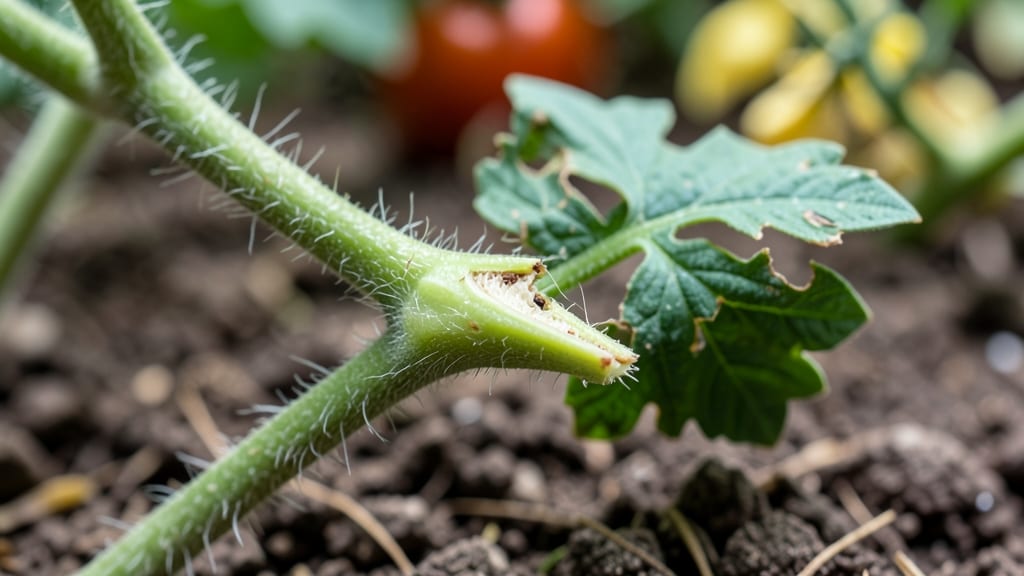
Tomato cutworms can turn your thriving vines into chewed-up stumps overnight—I’ve lost entire plants to these sneaky pests, but I’ve also learned how to stop them fast. 🌱 The key is catching them early, when damage looks like clean cuts at the stem, not holes from other insects.
Most gardeners wait until they see wilting plants, but by then, it’s too late for half the crop.
These pale green caterpillars hide under mulch or soil during the day, striking at dusk. Collar barriers—plastic or cardboard wrapped around stems—block them instantly, while handpicking at night (with a flashlight) reduces populations fast.
I’ve also had success with beauveria bassiana, a natural fungus that targets cutworms without harming your plants or pollinators.
Within 48 hours of barrier installation, new growth stays intact, and plants rebound faster than you’d expect. The real win?
You’ll see fewer cutworms in subsequent years because their numbers drop when you disrupt their life cycle. No more midnight raids on your tomatoes—just strong, healthy vines producing fruit all season.
Works for raised beds, in-ground gardens, and even container-grown tomatoes. The fix is simple, but the payoff—no more severed stems—is huge. Let’s get those vines protected before the next attack.
Root Causes of Tomato Cutworm Attacks
Tomato cutworms—those sneaky, nocturnal caterpillars—don’t just appear out of nowhere. Their destructive feeding habits are the result of a perfect storm of environmental, biological, and agricultural factors. Understanding why they target your tomatoes is the first step to stopping them in their tracks.
Let’s break down the science behind their behavior and how your garden might be inviting them in.
Cutworms thrive in gardens that resemble their natural habitat: dense, chaotic, and full of hiding spots. When tomato plants are crowded or surrounded by weeds, they create a microclimate that cutworms love. Here’s how it works:
- Moisture Retention: Weeds and thick mulch hold moisture near the soil, keeping cutworm eggs and larvae hydrated. These pests need consistent humidity to survive, especially in their early stages.
- Shade and Cover: Dense foliage provides shelter from predators (like birds or parasitic wasps) and the harsh midday sun. Cutworms are nocturnal, so they’re most active when temperatures drop—cool, shaded areas give them the perfect cover.
- Food Buffet: Weeds like nightshade, pigweed, or even grass can serve as a starter meal for cutworm larvae before they move on to your tomatoes. A garden with multiple host plants becomes a cutworm magnet.
Actionable Insight: Maintain a clean, well-spaced garden with 12–18 inches of space between tomato plants. Remove weeds regularly, especially in the evening when cutworms are most active.
Cutworms are nocturnal predators, and their feeding patterns are tied to specific environmental cues. If your garden accidentally signals “all-clear” at night, you’re rolling out the welcome mat:
- Artificial Light: Outdoor lights (especially white or blue spectrum LEDs) can disorient beneficial insects but attract moths—the adult stage of cutworms. Female moths lay eggs near light sources, knowing their larvae will find plenty of food in the vicinity.
- Warm Nights: Temperatures above 60°F (15°C) trigger cutworm activity. If your garden retains heat (e.g., dark soil, plastic mulch, or dense canopies), larvae stay active longer, chewing more aggressively.
- Lack of Predators: Bats, owls, and ground beetles hunt cutworms—but if your garden lacks perches (like tall plants or rocks) or water sources, these predators won’t stick around.
Actionable Insight: Use warm-colored (red or amber) LED bulbs for night lighting, and avoid overwatering before dusk. If possible, introduce bat houses or owl boxes to your garden’s perimeter.
Stressed tomato plants smell different—and cutworms can detect it. When tomatoes are struggling (due to drought, nutrient deficiencies, or disease), they release volatile organic compounds (VOCs) that act like a dinner bell to pests. Here’s what makes your plants vulnerable:
| Stress Factor | How It Attracts Cutworms |
|---|---|
| Drought Stress | Wilted leaves and stems emit ethanol and terpenes, which cutworms associate with easy, soft tissue. |
| Nitrogen Deficiency | Yellowing leaves lack chlorophyll, making them less bitter and more palatable to larvae. |
| Fungal/Bacterial Infection | Rotten or spotted fruit/leaves release ammonia and sulfur compounds, mimicking decay—cutworms’ favorite snack. |
Actionable Insight: Monitor soil moisture with a moisture meter and fertilize with balanced organic NPK (e.g., 5-5-5) to avoid nitrogen spikes. Prune damaged leaves immediately to remove “scent signals.”
Cutworms prefer soil that’s rich in decaying organic matter—it’s where their eggs hatch and larvae burrow. If your garden has:
- Fresh compost or manure piles near tomato beds, you’re creating a larval nursery.
- Compacted or clay-heavy soil, which traps moisture and makes it easier for cutworms to tunnel.
- Lack of beneficial microbes, reducing natural predators like nematodes or fungal pathogens that keep cutworm populations in check.
Actionable Insight: Amend soil with aged compost (not fresh) and mix in sand or perlite to improve drainage. Plant cover crops like clover in off-seasons to boost soil biodiversity.
Cutworms don’t just appear—they fly in. Adult moths (family Noctuidae) migrate in waves, often arriving in:
- Early spring (after winter die-off of predators).
- Late summer (when tomato plants are lush and ripe).
- Post-rain periods (when soil is soft and eggs can burrow easily).
If your region has warm, humid summers, you’re in a cutworm hotspot. Moths lay 200–300 eggs in a single batch, and those eggs hatch in 5–14 days—giving you a tiny window to act before larvae start feasting.
Actionable Insight: Set up sticky traps with pheromones in early spring to monitor moth activity. If you’re in a high-risk zone, consider row covers during peak migration months (May–July).
Quick Fixes for Worm-Free Tomatoes
Tomato cutworms may feel like a sneaky garden villain, but with the right moves, you can outsmart them fast—without harsh chemicals. Below, we’ve mapped practical solutions directly to the root causes of damage, so you can act swiftly and keep your vines thriving.
Prevention tips are woven in to stop future invasions before they start!
Cause: Young worms chew through stems at soil level, causing plants to topple or wilt. Fix:
- 🔥 Collar Barriers: Wrap the base of each tomato plant with a cardboard collar (cut from a cereal box) or a metal or plastic ring buried 1–2 inches deep. Worms can’t crawl over smooth edges!
- 🍳 Diatomaceous Earth Ring: Sprinkle food-grade diatomaceous earth (DE) in a 2-inch-wide band around the stem. Reapply after rain—it dehydrates worms on contact.
- 👨🍳 Mulch Swap: Replace straw mulch with gravel or crushed eggshells near the stem. Worms avoid sharp, jagged textures.
💡 Pro Tip: Check collars every 2–3 days at dusk (that’s when cutworms are most active!). A quick flashlight sweep can save your plants before damage spreads.
Cause: Mature worms munch on leaves, leaving ragged holes or skeletonized foliage. Fix:
- 🥘 Beer Trap: Bury a small cup or jar filled with beer near plants. The yeast attracts cutworms, and they drown. Refresh every 3–4 days.
- 🔪 Handpick at Night: Grab a flashlight and gloves (they’re slimy!). Worms hide under leaves or in soil during the day—shake plants over a bucket of soapy water at dusk.
- 🌡️ Trap Crops: Plant a sacrificial crop like basil or marigolds nearby. Cutworms will target these first, sparing your tomatoes.
✨ Bonus: Sprinkle crushed garlic or chili powder around the base—worms dislike the strong scents!
Stop cutworms before they become a habit: - 🎯 Rotate Crops: Avoid planting tomatoes, peppers, or eggplants in the same spot two years in a row. Worms linger in old plant debris. - 🌿 Early Cleanup: Remove all plant residue after harvest.
Pile debris in a sealed bin (not compost)—worms overwinter in dead leaves! - 🐝 Encourage Predators: Attract birds, toads, and parasitic wasps by adding a shallow water source and native plants like dill or fennel.
⏰ Timing Matters: Act within 24–48 hours of spotting damage. Cutworms multiply fast—early intervention is key! For heavy infestations, combine 2–3 methods (e.g., collars + beer traps + handpicking) for a one-two punch.
Frequently asked questions
What does tomato cutworm damage look like on my plants?
Look for clean, jagged cuts at the base of stems—like someone sliced them with scissors. You might also see wilting plants that fall over without obvious disease. Check under leaves at night with a flashlight for pale green caterpillars (they hide during the day).
Can I use chemical pesticides to kill tomato cutworms?
Chemical pesticides like carbaryl (Sevin) can work, but they harm beneficial insects too. For organic gardens, stick to natural methods like beauveria bassiana (a fungus) or bt (Bacillus thuringiensis). Always read labels and apply at dusk when worms are most active.
How do I prevent cutworms from attacking my tomato plants next year?
Start with crop rotation—avoid planting tomatoes in the same spot for 2 years. Use row covers early in the season, and install collars around stems (cardboard or plastic). Remove all plant debris after harvest to eliminate overwintering sites.
Why do cutworms attack tomatoes but not other plants?
Tomatoes are their favorite because they’re tender and nutritious! Cutworms also target stressed plants—those with yellowing leaves or wilted stems. Keep your tomatoes healthy with proper watering, spacing, and balanced fertilizer to make them less appealing.
Will chickens or ducks eat tomato cutworms?
Free-range chickens and ducks love hunting cutworms. Let them forage around your garden at night when worms are most active. Just supervise to prevent them from pecking at your plants too much.