
Pests
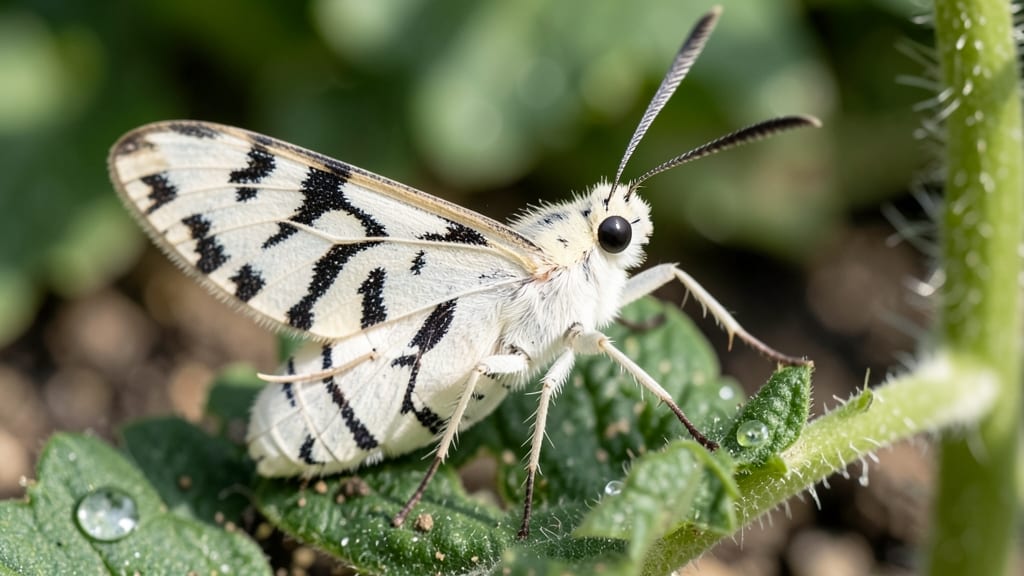
That green monster on your tomatoes isn't a caterpillar—it's a tomato hornworm moth's hungry offspring. 🌱 I've lost entire plants to these striped bandits, but I've also learned how to spot them early and stop their destruction before it starts.
The key is recognizing the moths before they lay eggs, then using organic methods that actually work.
These moths lay eggs directly on tomato leaves, and within days, you get caterpillars that can devour a whole plant in 24 hours. The good news? They're easy to identify—their green bodies with white stripes and horn-like tails give them away instantly.
Most gardeners miss the moths entirely and only notice the damage when it's too late.
With the right approach, you can keep your tomato plants thriving all season. I'll show you how to disrupt their life cycle, use natural predators, and apply organic sprays that work without harming your garden ecosystem.
The secret is acting fast—once you see those eggs, you've got about 5 days before the caterpillars hatch.
This works for backyard gardens, raised beds, and even container-grown tomatoes. The methods are simple but effective, and they'll save you from the heartbreak of watching your hard work disappear overnight. Let's get started!
Root Causes Of Garden Invaders
The tomato hornworm moth isn’t just a random visitor—it’s a strategic predator with a life cycle finely tuned to exploit your garden’s most vulnerable moments. Understanding why these moths and their larvae target your plants helps you disrupt their plans before they strike.
Here’s a breakdown of the key triggers that turn your tomato patch into their all-you-can-eat buffet.
The tomato hornworm moth’s larvae are specialists, meaning they’ve evolved to feast almost exclusively on plants in the nightshade family (Solanaceae). Tomatoes, peppers, eggplants, and even potatoes are prime targets because these plants produce compounds like alkaloids (e.g., solanine) that deter most pests—but not hornworms.
Their caterpillars have developed a tolerance (and craving!) for these chemicals, which actually boost their growth.
Why it matters:
- Monoculture gardens (planting large blocks of the same crop) create a neon "eat me" sign for moths. A single infested tomato plant can attract dozens of females to lay eggs nearby.
- Young, tender leaves are their preferred menu. Moths time their egg-laying to coincide with new growth, ensuring a steady food source for hatchlings.
- Organic fertilizers (like compost or manure) can increase plant nitrogen, making leaves even more nutritious—and irresistible—to hungry caterpillars.
Pro tip: 🌡️ Interplanting with basil, marigolds, or dill disrupts their "find food" radar. These herbs mask the scent of nightshades and may even repel adult moths.
Tomato hornworm moths (Manduca sexta) are nocturnal pollinators by day and egg-laying machines by night. Their life cycle is perfectly aligned with your garden’s peak growing seasons:
| Stage | When It Happens | Why It’s Problematic |
|---|---|---|
| Adult emergence | Late spring to early summer (varies by climate) | Adults emerge from pupae in soil, then fly to feed on nectar (e.g., evening primrose, petunias) to fuel egg production. |
| Egg-laying | Dusk to midnight, on undersides of leaves | Females lay 200–300 eggs in just a few nights. Eggs hatch in 3–5 days, releasing caterpillars when plants are most vulnerable. |
| Larval feeding | Daytime (they hide in soil or leaf litter at night) | Caterpillars grow 2 inches per week, skeletonizing leaves and devouring fruits within 10–14 days. |
Why it happens: Moths are drawn to gardens with continuous blooming flowers (their nectar source) and warm nights (ideal for egg-laying). If your garden is a 24/7 buffet—flowers by day, tomatoes by night—you’ve created the perfect hornworm hotel.
Pro tip: ⏰ Monitor your garden at dusk with a flashlight. Adult moths are large (2–3 inches wingspan) and easy to spot. If you see one, act within 48 hours—that’s how long it takes for eggs to hatch.
Tomato hornworms thrive in warm, humid conditions, which is why they’re most active in the southeastern and midwestern U.S. However, even cooler climates can see outbreaks if local conditions are right:
- Temperature: Larvae cannot survive below 50°F (10°C). If your garden stays above this threshold for 6+ weeks, you’re in their comfort zone.
- Humidity: High moisture levels (e.g., after rain or in shaded areas) help eggs hatch faster and keep caterpillars hydrated.
- Wind patterns: Moths are weak fliers and often drift into gardens on warm breezes. Coastal or open-field gardens are higher-risk.
Why it happens: Urban heat islands, greenhouses, and south-facing gardens create microclimates that mimic their ideal conditions year-round. Even a single infested plant in a warm corner can become a breeding ground.
Pro tip: 🌡️ Use row covers in early spring to block adult moths before temperatures rise. If you’re in a hot climate, prune lower leaves to reduce humidity near the soil (where eggs are laid).
By targeting these three root causes—host plant availability, life cycle timing, and favorable microclimates—you can starve out the problem before it starts. The key? Disrupt their menu, mess with their schedule, and make your garden less hospitable.
Organic Ways To Stop Them
Once you’ve spotted those telltale signs of tomato hornworm moth activity—stripped leaves, chewed vines, or tiny green caterpillars lurking in your tomato plants—it’s time to act. The good news? You don’t need harsh chemicals to reclaim your garden.
Below are targeted, organic solutions mapped to the root causes of infestations, plus proactive tips to keep these hungry caterpillars at bay for good.
Act fast when you spot the first signs—eggs, tiny caterpillars, or even the moths themselves. Early intervention saves your plants and reduces the need for heavy-duty treatments.
- 🔍 Scan your plants daily: Focus on the undersides of leaves and near tomato blossoms, where eggs are often laid.
- 🕵️ Look for frass (caterpillar poop): Dark green or black droppings on leaves signal active feeding.
- 🌙 Set up a blacklight trap: These attract adult moths at night, helping you monitor and reduce their numbers before they lay eggs.
For small infestations, your hands are your best tool. This method is 100% organic, free, and satisfying—plus, it gives you a front-row seat to the life cycle of these fascinating (but destructive) pests.
- 👨🍳 Best time to pick: Early morning or late evening when caterpillars are sluggish. Wear gloves to avoid getting pricked by their tiny spines.
- 🔪 How to dispose: Drop them into soapy water (a bucket with a few drops of dish soap) or crush them—just don’t toss them near your garden, or they’ll hatch again.
- 🌱 Check regularly: Revisit your plants every 2–3 days, especially after rain, when egg-laying peaks.
Encourage the garden’s built-in pest patrol. These predators are already hunting hornworms—they just need a little help from you.
- 🐝 Parasitic wasps: Tiny Cotesia congregata wasps lay eggs inside hornworms, eventually killing them. Plant dill, fennel, or parsley to attract them.
- 🐸 Frogs and toads: These amphibians gobble up caterpillars (and eggs) with gusto. Create a toad-friendly habitat with shallow water dishes and hiding spots like flat rocks or logs.
- 🐞 Ladybugs and lacewings: Release or attract these beneficial insects by planting marigolds, yarrow, or cosmos. They prey on hornworm eggs and young larvae.
Some plants naturally repel tomato hornworm moths or disrupt their life cycle. Use these as barriers or companion plants to reduce egg-laying.
- 🌼 Marigolds: Their strong scent masks tomato plants, making them less appealing to moths. Plant them around your tomatoes or intersperse them in rows.
- 🌿 Basil: Not only does it improve tomato flavor, but its fragrance deters moths. Place basil plants at the base of your tomato stems.
- 🌵 Nasturtiums: These edible flowers trap aphids (which attract hornworms) and act as a sacrificial plant. Let them grow near your tomatoes.
For larger infestations, these sprays create a physical or chemical barrier that disrupts feeding without harming your plants or beneficial insects.
- 🧂 Salt spray (for severe cases):
- Mix 1 tablespoon of salt with 1 quart of water.
- Spray directly on caterpillars (avoid foliage to prevent salt buildup).
- Note: Use sparingly, as salt can harm plants over time.
- 🥛 Milk spray (protein disruptor):
- Combine 1 part milk with 9 parts water and a drop of dish soap.
- Spray on leaves to create a film that clogs caterpillar mouths and starves them of nutrients.
- Reapply every 3–4 days or after rain.
- 🌶️ Cayenne pepper spray (irritant):
- Blend 2 tablespoons of cayenne pepper with 1 quart of water and strain.
- Add 1 teaspoon of dish soap as a sticking agent.
- Spray on leaves (test on a small area first—it can burn some plants).
For young plants or high-risk areas, physical barriers can block moths from laying eggs or caterpillars from reaching your tomatoes.
- 🧶 Lightweight row covers: Use fine mesh (like Agribon) over tomato plants before flowering. Secure edges tightly to prevent moths from sneaking in.
- 🧢 Collars for seedlings: Wrap the base of young tomato stems with cardboard or aluminum foil to block egg-laying moths.
- 🪟 Netting: Drape netting over tomato cages or stakes to create a tent-like barrier. Remove during pollination if using hand-pollination.
The best defense is a proactive garden. Implement these habits to make your tomatoes less appealing to hornworm moths year-round.
- 🌱 Rotate crops: Avoid planting tomatoes (or other nightshades like peppers and eggplants) in the same spot yearly. Moths seek out familiar territory.
- 🌿 Plant diversity: A varied garden confuses moths. Interplant tomatoes with onions, garlic, or herbs like thyme or oregano.
- 🌙 Disrupt mating: Hang pheromone traps (available at garden centers) to trap male moths before they find females.
- 🌱 Clean up debris: Remove fallen leaves, vines, and plant residue in autumn. This eliminates overwintering sites for pupae.
- 🌱 Healthy soil = strong plants: Amend soil with compost to grow robust tomatoes that can withstand light feeding. Healthy plants recover faster from damage.
With these targeted strategies, you can keep tomato hornworm moths in check without resorting to chemicals. Start with early detection and hand-picking, then layer in biological controls and repellents for long-term protection. Your tomatoes—and your sanity—will thank you!
Frequently asked questions
What do tomato hornworm moths look like?
Adult tomato hornworm moths are large (2-3 inches wingspan) with grayish-brown wings and yellow bands near the abdomen. They're most active at dusk and dawn, often mistaken for hummingbird moths. Look for their distinctive tobacco horn-shaped bodies when they're at rest.
How can I tell if my tomatoes have hornworm eggs?
Hornworm eggs are tiny (1/16 inch), greenish-white, and laid singly on the undersides of leaves near the main veins. Check leaves daily—eggs hatch in just 3-5 days, so early detection is critical. Use a magnifying glass if needed.
Are tomato hornworms harmful to humans?
No, they're not dangerous to humans. However, their tiny bristles can cause mild skin irritation if you handle them without gloves. The real concern is their appetite—they can defoliate a tomato plant in 24 hours if left unchecked.
Will BT (Bacillus thuringiensis) work on tomato hornworms?
Yes, but only the Bt kurstaki strain is effective against hornworms. Spray it when caterpillars are small (1/2 inch) as they won't eat after ingestion. Reapply every 7-10 days or after rain, and always use in the evening when bees are less active.
Can I save my tomato plants if they're already heavily damaged?
It depends on the damage. If only leaves are eaten, plants often recover. For severe fruit damage, focus on saving next year's crop by removing all caterpillars and eggs immediately. Prune away heavily damaged foliage to help the plant redirect energy to fruit production.