
Pests and Diseases
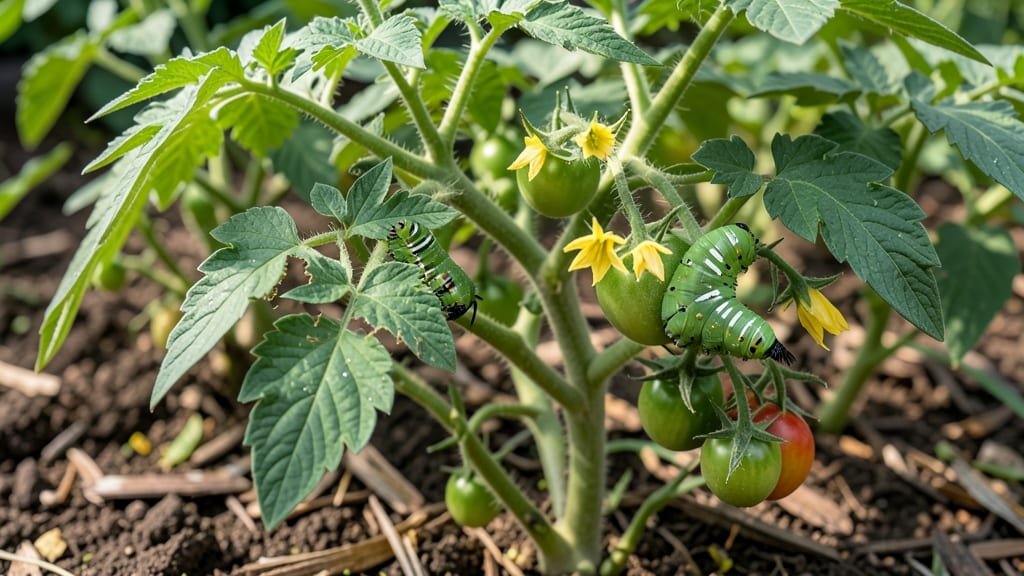
Hornworms on tomato plants can strip your vines bare in days—until you learn this natural predator trap trick. 🌱 I’ve watched these striped caterpillars devour entire plants, but a simple, chemical-free strategy turns the tide by harnessing nature’s built-in defenses. The key?
Attracting their biggest enemies before they become a problem. Most gardeners panic when they spot hornworms, but the solution starts with patience and observation. These caterpillars—though intimidating—are actually a food source for beneficial insects like parasitic wasps and ladybugs.
By creating a welcoming environment for these predators, you’ll see hornworm populations crash naturally, often within a week. No sprays, no fuss, just balance restored. What you’ll end up with is a thriving tomato plant that produces heavy, disease-free fruit all season.
The secret lies in strategic plant placement, companion planting, and a few simple traps that lure away hornworms before they cause damage. It’s the kind of fix that works whether you’re growing in a backyard garden or a container on your patio. Here’s how to set it up—no experience required.
The best part? Your tomatoes won’t just survive; they’ll outperform any season you’ve had before.
Root Causes of Tomato Devastation
If your tomato plants are under siege by voracious hornworms, understanding the why behind their relentless appetite is half the battle. These striped caterpillars don’t just appear out of nowhere—they’re drawn to your garden by a mix of environmental cues, plant chemistry, and even your gardening habits.
Let’s break down the key factors that turn your thriving tomato plants into a hornworm buffet.
Hornworms (primarily the Manduca sexta, or tobacco hornworm, and Manduca sexta’s cousin, the tomato hornworm) have a chemical love affair with the nightshade family. Tomatoes, peppers, eggplants, and potatoes are packed with compounds like alkaloids (e.g., solanine and nicotine in some varieties), which many insects avoid.
But hornworms? They’ve evolved to thrive on them.
- Sweet, tender leaves: Young, succulent tomato foliage is a protein-rich snack for hornworm larvae. The higher the nitrogen content (common in fast-growing plants), the more attractive it becomes.
- Volatile organic compounds (VOCs): When tomato plants are stressed or damaged, they release chemical signals that hornworms detect from miles away. These scent markers act like dinner bells.
- Lack of natural defenses: Unlike some plants that produce bitter toxins or thick hairs, many commercial tomato varieties are bred for yield and taste—not pest resistance. This makes them sitting ducks.
Pro Tip: 🌡️ If you’re growing heirloom or organic tomatoes, they may have slightly higher levels of natural defenses (like trichomes, tiny hair-like structures), but hornworms can still overwhelm them in large numbers.
Hornworms don’t just show up randomly—they follow a predictable life cycle that syncs up with tomato planting seasons. Here’s how it works:
| Stage | When It Happens | Why It’s Problematic |
|---|---|---|
| 🥚 Eggs | Laid on undersides of leaves (May–July in most climates) | Females target healthy, rapidly growing plants. A single moth can lay 2,000+ eggs in her lifetime. |
| 🐛 Larvae (Caterpillars) | Hatch in 3–5 days; grow to 4 inches in 2–3 weeks | This is the devastating phase. Larvae can eat half a plant per day and pupate into moths before you even notice. |
| 🦋 Adult Moths | Emerge in late summer; live 7–10 days | Adults don’t eat plants, but they reproduce rapidly, restarting the cycle. One generation can become three or four in a season. |
If your tomatoes are flowering or fruiting when hornworm eggs hatch, you’re in for a double whammy: the caterpillars will strip leaves (reducing photosynthesis) and chew on developing fruit.
Hornworms don’t just like tomato plants—they love gardens that provide shelter, moisture, and minimal competition. Here’s what makes your yard their dream home:
- Dense, weedy areas: Hornworms hide in leaf litter, mulch, or tall grasses during the day to avoid predators like birds and parasitic wasps. A messy garden = more hiding spots.
- Overwatered soil: Hornworms need moisture to thrive. If your tomato plants are watered frequently (especially at the base), the soil stays damp—ideal for egg-laying females and larval survival.
- Lack of natural predators: Hornworms have few enemies in a chemical-free garden. Birds, lacewings, and braconid wasps (which lay eggs inside hornworms) keep populations in check—but if you’ve used pesticides, these helpers may have vanished.
- Monoculture planting: Growing only tomatoes in a large patch? Hornworms will swarm it. They’re less likely to overrun a diverse garden with herbs, flowers, and other veggies.
Pro Tip: 🌿 Interplanting tomatoes with basil, marigolds, or dill can disrupt hornworm behavior. These plants either repel them or attract their natural predators.
Hornworms are warm-weather pests, and their activity spikes when conditions are ideal. Depending on where you live, these factors can tip the scales:
- Hot, humid summers: The Southeast and Midwest see explosive hornworm populations because heat speeds up their life cycle. A larva can go from egg to moth in just 4–6 weeks.
- Mild winters: In warmer climates (e.g., California, Florida, or greenhouses), hornworms may overwinter as pupae and emerge earlier, giving them a head start on your spring tomatoes.
- Drought stress: Surprisingly, drought-stressed plants can also attract hornworms. When tomatoes struggle to photosynthesize, they produce more sugars in their leaves—making them even tastier to larvae.
- Urban sprawl: As suburban areas expand, natural predators (like bats and insectivorous birds) decline, while hornworm populations boom due to abundant food sources.
Pro Tip: ⏰ In cooler climates, early planting can help—hornworms may not arrive until your tomatoes are already flowering. Use row covers for the first 6–8 weeks to block egg-laying moths.
Quick Fixes for Tomato Plant Threats
Hornworms may seem like a formidable foe, but with the right strategies, you can protect your tomato plants—without resorting to harsh chemicals. Below, we’ve mapped out practical, step-by-step solutions tailored to the root causes of your problem.
Whether it’s early detection, manual removal, or leveraging nature’s own pest control, these methods will help you reclaim your garden fast.
Prevention starts with vigilance. Hornworms are masters of disguise, blending into foliage as they munch away. Check your plants regularly, especially in the morning or evening when they’re most active.
- 👀 Inspect leaves daily: Look for chewed edges, black droppings (frass), or missing sections of leaves.
- 🌿 Shake plants gently: Hornworms will drop to the ground—scoop them up before they climb back.
- 🕵️ Focus on new growth: Young tomato plants are their favorite target.
Pro Tip 💡: Use a white tray or sheet under plants when checking—hornworms will crawl onto it, making them easier to spot and remove.
If you catch hornworms early, your hands (and a little patience) are your best tools.
- 🔪 Grab and drop
- Wear gloves (to avoid getting pinched by their tiny "horns").
- Pick off hornworms by hand and drop them into soapy water (1 tbsp dish soap per gallon of water).
- ⏰ Time it right: Do this in the early morning when they’re sluggish.
- 🕷️ Turn them into snacks (yes, really!)
- Hornworms are edible—chickens, ducks, and even praying mantises love them!
- Toss them into a chicken coop or mantis habitat (if you’re raising them).
Pro Tip ✨: Freeze them first if you’re squeamish—it makes disposal easier!
Instead of fighting hornworms alone, enlist their natural enemies to keep populations in check.
| Predator | How to Attract Them | Effectiveness |
|---|---|---|
| Praying Mantis | Plant dill, fennel, or marigolds near tomatoes. | ⭐⭐⭐⭐ |
| Parasitic Wasps | Avoid pesticides—wasps lay eggs inside hornworms. | ⭐⭐⭐⭐⭐ |
| Ladybugs | Introduce ladybug larvae (sold at garden centers). | ⭐⭐⭐ |
| Spiders | Reduce chemical use—spiders thrive in healthy ecosystems. | ⭐⭐⭐⭐ |
Pro Tip 🌡️: Plant companion flowers like basil, alyssum, or nasturtiums—they attract beneficial insects while repelling hornworms.
Sometimes, preventing access is easier than fighting them off.
- 🧶 Row covers (early season)
- Use lightweight fabric covers over young plants to block hornworm moths from laying eggs.
- Remove when flowers appear to allow pollination.
- 🍅 Collar trick (for established plants)
- Wrap the base of tomato stems with cardboard or aluminum foil (6 inches high).
- Prevents hornworms from crawling up from the soil.
- 🌿 Neem oil spray (organic deterrent)
- Mix 1 tbsp neem oil + 1 tsp mild soap + 1 quart water.
- Spray foliage (not flowers) every 5-7 days—disrupts their feeding and egg-laying.
Pro Tip 🎯: Rotate methods—hornworms can build resistance to neem oil over time.
If infestations are severe, targeted organic sprays can help without harming your plants.
- 🌿 Bacillus thuringiensis (Bt)
- A bacteria-based spray that kills hornworms when ingested.
- Safe for bees & humans—apply at dusk for best results.
- 🍋 Spicy pepper spray
- Blend 1 habanero pepper + 1 quart water + 1 tsp soap.
- Spray directly on hornworms—they’ll retreat immediately.
Warning ⚠️: Avoid broad-spectrum pesticides—they kill beneficial insects too!
Once you’ve tackled the current infestation, keep them away for good with these habits:
- 🌿 Crop rotation: Don’t plant tomatoes in the same spot yearly—hornworms remember!
- 🌱 Healthy soil = strong plants: Use compost and organic fertilizer—vigorous plants resist pests better.
- 🕊️ Encourage birds: Install a bird feeder—robins and sparrows love eating hornworms.
- 🌙 Plant at the right time: Late spring or early summer plantings often escape the worst infestations.
Final Thought: Hornworms may be tomato plant villains, but with these simple, eco-friendly tactics, you can outsmart them and still enjoy a bountiful harvest. Start with early detection and manual removal, then leverage nature’s helpers—your garden (and your tomatoes) will thank you! 🍅💚
Frequently asked questions
What do hornworms look like, and how can I tell them apart from other caterpillars?
Hornworms are large (up to 4 inches), green caterpillars with white diagonal stripes and a pointy \"horn\" at the rear. Unlike most caterpillars, they have a smooth, plump body and no visible legs. Look for their black droppings (frass) on leaves—this is a dead giveaway!
Will removing hornworms harm my tomato plants?
Not at all! Removing them actually helps your plants recover faster. Hornworms can strip a plant bare in days, but once they're gone, new leaves will regrow quickly. Just be patient—your plant may look ragged for a few weeks, but it’ll bounce back stronger than before.
Can I use dish soap to kill hornworms?
Yes! Mix 1 tablespoon dish soap with 1 gallon of water and pour it over hornworms. The soap breaks down their protective coating, killing them quickly. Just avoid spraying flowers or beneficial insects. For best results, do this in the early morning when they're sluggish.
How do I know if my tomato plants are recovering from hornworm damage?
Look for new leaf growth at the top of the plant and healthier stems. If your tomatoes are still producing fruit, that’s a great sign! Just keep an eye out for more hornworms—once they’re gone, your plant should start looking lush again within 2-3 weeks.
Are hornworms harmful to humans or pets?
No, they’re completely harmless! Hornworms are edible (even safe for chickens) and won’t sting or bite. However, their tiny \"horn\" can pinch if handled roughly, so wear gloves when removing them. They’re only dangerous to your tomato plants!