
Plants
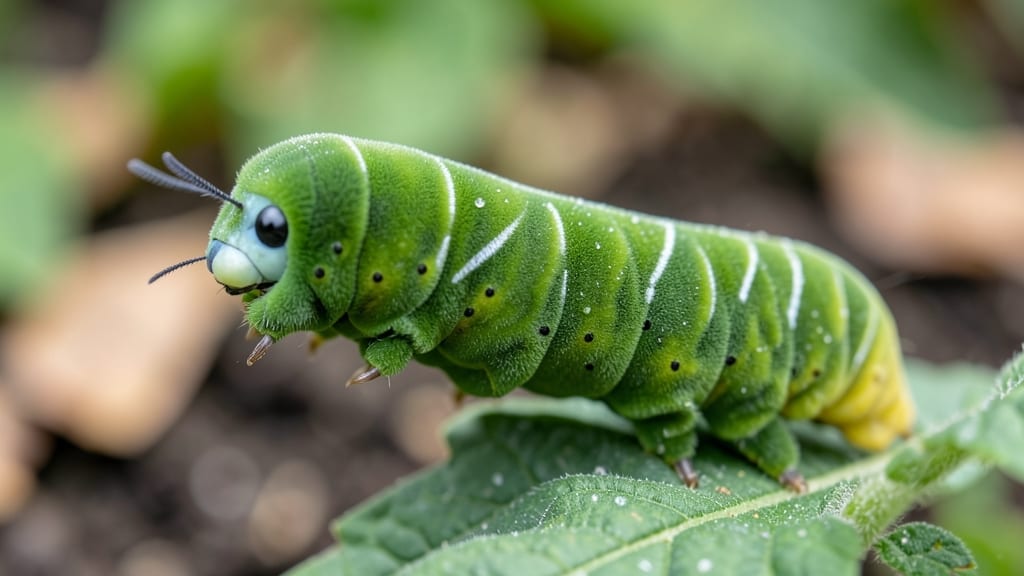
Spotting a tomato hornworm look-alike can mean the difference between a thriving garden and a defoliated disaster. 🌱 These caterpillars—often mistaken for harmless green worms—can strip plants bare in days, leaving you scrambling for solutions.
The key is learning their subtle differences: some are harmless, while others will devastate your tomatoes, peppers, and eggplants before you even notice.
Most common imposters include the tobacco hornworm (slightly smaller, with white stripes) and sphinx moth caterpillars (yellow horn, white diagonal stripes).
The real tomato hornworm has a distinct white "V" pattern on its sides and a red horn—but even these details can be hard to spot when they’re munching away.
I’ve lost entire plants to look-alikes that seemed identical at first glance, so I’ve learned to check for these telltale signs: size, stripe patterns, and the type of damage they leave behind.
Here’s the good news: many of these look-alikes are actually beneficial or at least less destructive. The tobacco hornworm, for example, prefers tobacco leaves and rarely attacks tomatoes. But if you’re seeing skeletonized leaves (just veins left standing) or holes in fruit, you’re likely dealing with a true pest.
The solution? Handpick during early morning hours when they’re sluggish, or introduce parasitic wasps—their natural predators—which will keep populations in check without chemicals.
This guide will walk you through visual comparisons, damage patterns, and even how to tell if what you’re seeing is a caterpillar or something else entirely (like a beetle larva).
By the end, you’ll know exactly what’s munching on your plants—and whether to intervene or let nature handle it. Let’s get started!
Nature’s Deceptive Gardening Tricks
When you’re scanning your tomato plants for Manduca sexta (the infamous tomato hornworm), it’s easy to get fooled by nature’s copycats. These look-alikes aren’t just random coincidences—they’re the result of evolutionary mimicry, overlapping life cycles, and even beneficial insect behavior.
Understanding why these imposters exist helps you spot the real threats and protect your garden smarter. Here’s why these confusing doppelgängers show up in your tomatoes.
Some insects evolved to resemble hornworms as a survival strategy. This phenomenon, called Batesian mimicry, tricks predators into avoiding them. For example:
- Black Swallowtail Caterpillars (Papilio polyxenes): These caterpillars have eye-spot patterns on their abdomen that mimic the hornworm’s warning colors. While hornworms are toxic to birds (thanks to alkaloids from their host plants), swallowtails are harmless. By copying the look, they signal, “Don’t eat me—I’m dangerous too!”
- Tobacco Hornworm (Manduca sexta) vs. Five-Lined Skipper Larvae (Nymphalis): Some skipper larvae have similar horn-like projections and green bodies, but they lack the hornworm’s white diagonal stripe or spiky black “horn.”
Why it matters: If you pull a “hornworm” based solely on color, you might accidentally remove a beneficial pollinator’s larva. Always check for distinctive markings (like the hornworm’s V-shaped white stripe or black horn).
Tomato hornworms and their look-alikes often emerge during the same growing season, making it hard to tell them apart at a glance. Here’s how timing plays a role:
| Insect | Peak Season | Key Overlap with Hornworms |
|---|---|---|
| Tomato Hornworm (Manduca sexta) | June–August (varies by region) | Active when tomatoes are flowering/fruiting—prime feeding time. |
| Black Swallowtail (Papilio polyxenes) | May–September | Larvae appear just before hornworms, often on dill, parsley, or carrots but may wander to tomatoes. |
| Hickory Horned Devil (Cecropia moth caterpillar) | April–July (earlier in the year) | Juveniles resemble tiny hornworms but are much larger as adults. |
Actionable tip: If you spot a “hornworm” before June, it’s more likely a swallowtail or hickory horned devil larva. Wait for the white stripe and black horn to confirm a true hornworm.
Not all look-alikes are accidental—they’re beneficial insects that just happen to share the same habitat. For example:
- Praying Mantis Nymphs: These green, spiky predators start small and can resemble young hornworms. Unlike hornworms, mantis nymphs have triangular heads and hold their front legs together like a prayer.
- Stink Bug Nymphs (Green Stink Bugs): Some species have green, elongated bodies with no horns. They cluster on undersides of leaves, while hornworms are solitary.
- Lacewing Larvae (Green Lacewings): These alligator-like larvae have spiny bodies but lack the hornworm’s smooth, plump appearance.
Why it’s confusing: Gardeners often assume all green caterpillars are pests. But many of these “imposters” are natural pest controllers. Pro tip: If the insect has legs on its abdomen (like a caterpillar) but isn’t damaging leaves, it’s likely beneficial. Leave it be!
Some look-alikes target different plants but end up on tomatoes due to mistaken identity or migration. For instance:
- Five-Lined Skipper Larvae: Normally feed on grasses, but hungry caterpillars may munch on tomato leaves. They lack the hornworm’s distinctive markings.
- Loopers (Beet Armyworm, Spotted Cutworm): These caterpillars have looping movement and no horns, but their green bodies can fool gardeners into thinking they’re hornworms.
- Tomato Fruitworm (Heliothis zea): These pale green caterpillars burrow into fruit, while hornworms defoliate leaves.
Key difference: True hornworms only eat leaves and grow rapidly (up to 4 inches in a week). If the caterpillar is small, slow-growing, or hiding in fruit, it’s not a hornworm.
Bottom line: Nature’s “copycats” exist for survival, timing, or coincidence—but your job is to tell friend from foe. By knowing why these look-alikes appear, you can act faster when a real hornworm invades your garden. Next up: How to Tell Them Apart.
Quick Fixes for Garden Imposters
Misidentifying pests can lead to wasted time, money, and even harm to your plants—so let’s tackle those tomato hornworm look-alikes with targeted solutions. Below, we’ll map common culprits to their fixes, including quick remedies and long-term prevention.
Whether you’re dealing with harmless mimics or hidden threats, these steps will help you act fast and keep your garden thriving.
Cause: Many caterpillars resemble tomato hornworms, but not all are destructive. Some are beneficial or harmless. Fix:
- 👀 Inspect closely: Look for V-shaped markings (hornworms) vs. stripes or spots (e.g., sphinx moth caterpillars). Hornworms also have a horn-like projection at the rear.
- 📏 Measure length: True tomato hornworms grow 3–4 inches—smaller caterpillars (under 2 inches) are less likely to be the culprit.
- 🌿 Handpick & relocate: If it’s a hornworm, drop it in soapy water. If it’s a sphinx moth caterpillar (often striped), leave it—it feeds on other plants like milkweed.
Prevention Tip: 💡 Plant companion flowers like dill or basil near tomatoes to attract parasitic wasps, which naturally control hornworms without harming look-alikes.
Cause: These are likely aphids, mealybugs, or cutworms—not hornworms—but they still damage plants. Fix:
- 🔪 For soft-bodied pests (aphids, mealybugs):
- Spray with soapy water (1 tsp mild soap per quart of water). Reapply every 3–4 days.
- Introduce ladybugs—they eat aphids voraciously!
- 👨🍳 For cutworms (black, segmented):
- Set up collars around young plants (toilet paper rolls or cardboard).
- Handpick at night when they’re most active (use a flashlight!).
Prevention Tip: 🌡️ Mulch heavily around tomato plants to deter cutworms from burrowing near stems.
Cause: Hornworms are nocturnal—you might only see their chewed leaves (often with frass, or green droppings, nearby). Fix:
- 🔦 Shake plants at dusk to flush them out (use a white sheet as a backdrop for easier spotting).
- 🕵️♂️ Check undersides of leaves—hornworms blend in with foliage.
- 🌿 Use BT (Bacillus thuringiensis): A natural bacteria that kills caterpillars but is safe for humans and pets. Spray on evenings when hornworms are active.
Prevention Tip: ✨ Rotate crops yearly to disrupt hornworm life cycles (they overwinter as pupae in soil).
Cause: Hornworms reproduce fast—one female lays 2,000+ eggs in a season! Fix:
- 🚨 Act within 48 hours: The longer you wait, the harder they are to control.
- 🌿 Remove egg masses (tiny, pale green clusters on undersides of leaves) with a damp cloth.
- 🐝 Encourage predators: Birds, praying mantises, and braconid wasps (tiny parasitic wasps) love hornworms. Install a bird feeder or native plant border to attract them.
Prevention Tip: 🎯 Plant early-maturing tomato varieties to harvest before hornworms peak in mid-summer.
Final Pro Tip: 💡 Keep a garden journal! Note when and where you spot pests—this helps you predict and prevent future outbreaks before they start.
By following these cause-specific fixes, you’ll save your tomatoes from real threats while letting harmless look-alikes live their best (non-destructive) lives. Happy gardening! 🌱
Frequently asked questions
What's the quickest way to tell a tomato hornworm from a black swallowtail caterpillar?
Look for the V-shaped white stripe on a tomato hornworm’s side and its black horn. Black swallowtails have orange and black spots on their abdomen instead. The hornworm’s horn is also reddish-black, while swallowtails have yellow horns.
Can I use the same control methods for all green caterpillars on my tomatoes?
No—some are beneficial! For example, lacewing larvae (spiny, alligator-like) eat aphids, while tobacco hornworms (smaller, with white stripes) prefer tobacco. Only remove tomato hornworms (3-4" long, with V-stripes) or tomato fruitworms (pale green, hiding in fruit).
Why do I keep finding "hornworms" before June when they're supposed to appear later?
Those are likely hickory horned devil larvae (early spring) or five-lined skipper caterpillars. True tomato hornworms peak in June-August. Look for white diagonal stripes (skipper) or no horns (hickory horned devils) to confirm they’re not the real pest.
What should I do if I find a caterpillar with a horn but no white stripes?
That’s likely a sphinx moth caterpillar! These have yellow horns and white diagonal stripes (not V-shaped). They’re usually harmless—just leave them alone. True tomato hornworms have reddish-black horns and V-patterns on their sides.
Are there any look-alikes that actually help my garden?
Praying mantis nymphs (green, spiky) and lacewing larvae (spiny, alligator-like) eat pests like aphids. Even tobacco hornworms (smaller, with white stripes) rarely attack tomatoes. Always check for legs on their abdomen—if they’re beneficial, they’ll have them!