
Vegetables
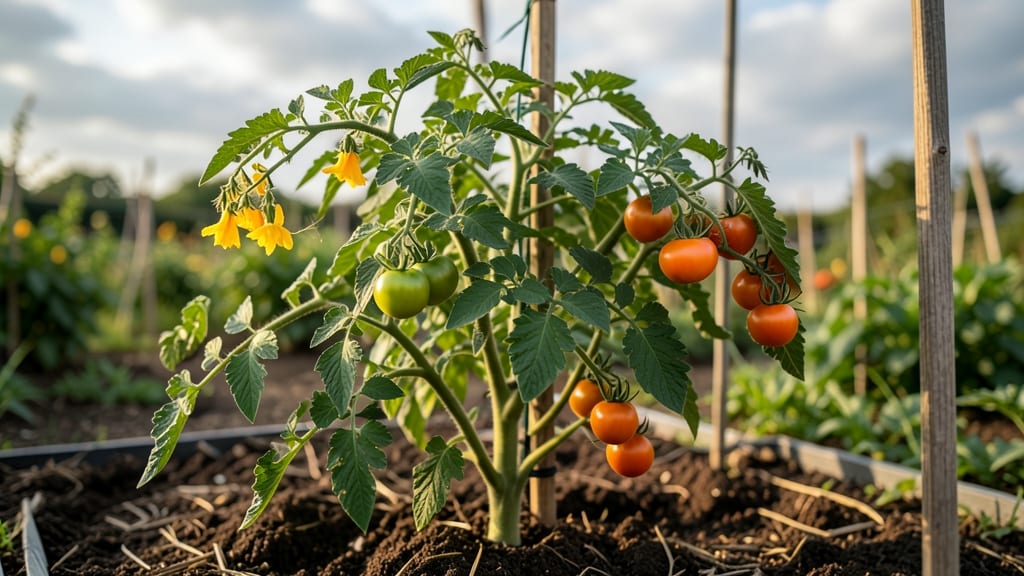
Growing the Orange Russian tomato means harvesting sunburst-colored fruit that tastes like summer in every bite—even in cooler climates. 🌱 This cold-hardy heirloom thrives where most tomatoes wilt, producing sweet, 6-ounce fruits with a rich orange hue that deepens as they ripen.
My first season with these plants proved they’re the secret weapon for gardeners in short growing zones or unpredictable springs. The key to success starts with well-draining soil (amend with compost) and full sun (6-8 hours daily), but the real magic happens in how you nurture them.
Unlike finicky varieties, Orange Russians tolerate light frosts and recover from heatwaves better—though they still need consistent moisture and a balanced fertilizer every 3-4 weeks. Prune suckers aggressively to focus energy on fruit production, and stake them early (they can reach 5 feet tall).
By mid-summer, you’ll be picking tomatoes that burst with carrot-like sweetness and a texture between Roma and beefsteak. The flavor improves with cooler nights, making them perfect for fall harvests. Store unripe tomatoes in a paper bag on the counter, and they’ll ripen beautifully over 2-3 weeks.
Even beginners can master this variety—it’s forgiving, productive, and adaptable to containers or small spaces. Just remember: the earlier you plant, the sooner you’ll taste why gardeners rave about this Russian treasure.
📚 In This Guide
- What you need
- Instructions
- Tips and common mistakes
- Wrapping up and next steps
What you need
- ● Seeds: 3–5 Tomato Orange Russian seeds (or 1–2 plants if buying seedlings).
- ● Containers or garden space: For containers: 5-gallon pots or larger (1 per plant).
- ● For in-ground: Full sun (6+ hours/day), well-draining soil.
- ● Potting mix: 1 bag (2–3 cubic feet) of high-quality, sterile seed-starting mix (e.g., Miracle-Gro Moisture Control).
- ● Fertilizer: Balanced 10-10-10 or 5-10-10 starter fertilizer.
- ● Organic option: Composted manure or worm castings.
- ● Watering supplies: Spray bottle (for seedlings), watering can or hose with gentle nozzle.
- ○ Grow lights (optional but helpful): LED or fluorescent lights (12–16 hrs/day for seedlings).
- ● Basic tools: Trowel, pruners (sterilized), and gloves.
- ● Support structures: Cages (5–6 ft tall) or stakes + twine (for indeterminate growth).
- ● Mulch: Straw or shredded leaves (to retain moisture and suppress weeds).
- ● pH test kit: To ensure soil pH is 6.0–6.8 (ideal for tomatoes).
- ● Hardening-off supplies (if starting indoors): Shade cloth or a sheltered outdoor spot.
- ● Drip irrigation system for consistent watering.
- ● Epsom salt (for magnesium boosts, especially in flowering stage).
- ● Row covers (to protect from early frost or pests).
- ● Plant markers (to track varieties in a shared garden).
Step-by-step guide to growing tomato Orange Russian variety
This cold-hardy heirloom thrives where most tomatoes fail—here's how to unlock its full potential.
🌱 Step 1: Start Seeds Indoors at the Right Time
Plant seeds 6-8 weeks before your last frost date—this gives them time to develop strong roots before cooler soil sets in. I use biodegradable peat pots filled with sterile seed-starting mix, pressing seeds ¼ inch deep and covering lightly with additional mix. The key here is warmth: place trays on a seedling heat mat set to 75-85°F until germination, which typically occurs in 7-10 days.
Once sprouts emerge, remove the heat mat but keep them under grow lights for 14-16 hours daily. You'll notice the first true leaves (not the initial seed leaves) appear in 2-3 weeks. This is when you can start fertilizing lightly with diluted fish emulsion—just enough to encourage leafy growth without burning tender stems.
☀️ Step 2: Harden Off and Transplant After Frost
Begin hardening off 2 weeks before your last frost date by placing seedlings outside in a sheltered spot for 1-2 hours the first day, gradually increasing exposure. The Orange Russian handles cooler soil better than most varieties, but don't rush—plants shocked by sudden temperature swings will struggle to set fruit. Transplant after soil warms to 55°F or when nighttime temps stay above 45°F consistently.
Dig holes twice as wide as the root ball and space plants 24-36 inches apart—this variety produces large, beefy fruits that need room to sprawl. Bury stems slightly deeper than they were in pots to encourage stronger root development. Water deeply at planting to settle soil around roots, then let the top inch dry before watering again.
💧 Step 3: Manage Water and Fertility for Maximum Yield
Orange Russian tomatoes thrive with 1-1.5 inches of water weekly, delivered at the base to prevent foliar diseases. I water deeply every 3-4 days during fruit set, adjusting for rainfall—wet leaves invite blight, and this variety is particularly susceptible. Mulch heavily with straw to retain moisture and suppress weeds, which compete for nutrients the plant needs for fruit production.
Feed with a balanced 10-10-10 fertilizer every 3-4 weeks starting when flowers appear. The secret to sweet orange fruit? Reduce nitrogen slightly as fruits form—too much leaf growth at this stage means fewer tomatoes. You'll know you're on track when vines produce 6-8 trusses (flower clusters) per plant by midseason.
✂️ Step 4: Prune and Support for Cold Resistance
This variety benefits from moderate pruning—remove suckers (shoots in leaf axils) but leave 3-4 main stems for cold tolerance. The Orange Russian's thick skin handles cooler nights better than most, but pruning improves airflow and reduces disease risk. Install sturdy cages or stakes early, as the plants can reach 5-6 feet tall and heavy fruit loads will snap weak stems.
Watch for early blight on lower leaves—it's common in cooler climates. Remove affected foliage immediately and space waterings to allow leaves to dry between sessions. The variety's cold hardiness means it often ripens later than heat-loving tomatoes, so don't harvest until fruits develop full orange color and yield slightly to gentle pressure.
⏰ Step 5: Extend the Season with Strategic Care
If frost threatens before all fruit ripens, cover plants with floating row covers during cool nights. The Orange Russian's thick skin protects against light frosts (28°F), but prolonged cold will still damage vines. Harvest green tomatoes and ripen indoors on a sunny windowsill—they'll develop full flavor even when picked early.
Save seeds from your best fruits by fermenting in a jar for 3-5 days, then rinsing and drying. This heirloom's cold tolerance makes it worth preserving. Clean up plant debris after frost to prevent disease carryover—next season's plants will thank you for this simple step.
Tips & tricks for growing cold-hardy Orange Russian tomatoes
Between us, these tricks will help you coax the best out of your Orange Russian plants—especially when temperatures drop.
Seedling Heat Mat Strategy: That 75-85°F heat mat range is non-negotiable for germination, but I've found using a digital thermometer to monitor soil temps prevents overheating. If your heat mat runs hotter than 85°F, reduce to 70°F—slower germination is better than seedling stress. Once sprouts appear, maintain 14-16 hours of grow light by setting a timer—consistent light prevents leggy seedlings that flop over.
Harden Off Gradually: The 2-week hardening process is where most beginners rush. Start with just 1-2 hours on day one, then add 1 hour each subsequent day. I place my seedlings in a sheltered spot where they get morning sun and afternoon shade—this mimics natural light transitions. Watch for wilting; if you see it, they're not ready for longer exposure yet.
Soil Temperature Secret: Don't transplant until soil reaches 55°F—I use a soil thermometer to confirm. If your soil is cooler, wait! The Orange Russian handles 45°F nighttime temps well, but cold soil stresses roots. Bury stems deeper than in pots to encourage root growth below the frost line. This variety's cold tolerance comes from its roots, not just the plant itself.
Fertilizer Timing: The 10-10-10 fertilizer schedule works, but I switch to a 5-10-10 once fruits form to reduce nitrogen. Too much leaf growth at this stage steals energy from fruit development. You'll know you're on track when you see 6-8 trusses—these are the flower clusters that become your tomatoes. Prune suckers but leave those main stems strong for cold resistance.
Pro Tips for Tomato Orange Russian
- Between us, these tricks will help you coax the best out of your Orange Russian plants—especially when temperatures drop.
- Seedling Heat Mat Strategy: That 75-85°F heat mat range is non-negotiable for germination, but I've found using a digital thermometer to monitor soil temps prevents overheating.
- Harden Off Gradually: The 2-week hardening process is where most beginners rush.
Frequently asked questions
How cold can Orange Russian tomatoes tolerate?
Orange Russian is one of the most cold-resistant tomato varieties, surviving light frosts down to 28°F (-2°C). Young plants can handle 40°F (4°C) without issues, making it ideal for early spring or late fall planting in cooler climates. Just avoid planting when night temps dip below 50°F (10°C)—wait until soil warms to 55°F (13°C) for best germination.
How long does it take for Orange Russian tomatoes to mature?
Expect a 75–85 day harvest from transplanting, depending on your climate and growing conditions. In warm regions, you might see fruit earlier (around 70 daysPro tip: Use black plastic mulch or row covers to speed up ripening in short seasons!
Why are my Orange Russian tomatoes cracking?
Cracking is common in this variety due to its thin skin and rapid growth. Consistent watering (deep but not daily) helps, but uneven moisture swings trigger splits. If cracks appear, harvest promptly—the fruit is still safe to eat! For prevention, mulch heavily and avoid overhead watering. Bonus: Cracked tomatoes are often sweeter!
Can I grow Orange Russian in containers?
This indeterminate variety thrives in 5-gallon+ containers with sturdy cages or trellises. Use a high-quality potting mix and fertilize weekly with tomato-specific nutrients. Just ensure pots get 6+ hours of sun and drain well to prevent root rot. Container hack: Mix in composted manure at planting for extra vigor!
What’s the best way to store harvested Orange Russian tomatoes?
Unlike some varieties, Orange Russian tomatoes don’t ripen off the vine, so harvest only when fully orange. Store at room temp (55–68°F / 13–20°C) for up to 2 weeks. For longer storage, refrigerate (40°F / 4°C) but expect softer texture. Preservation tip: Freeze or can them within 3 days of harvest for peak flavor!
What are good companion plants for Orange Russian?
Pair this tomato with basil, marigolds, or onions to deter pests like hornworms. Avoid planting near corn, fennel, or walnut trees, which can stunt growth. Interplanting tip: Let basil grow up the trellis—it improves flavor and repels whiteflies!
Wrapping up and next steps
Growing the Tomato Orange Russian is a rewarding journey for any gardener—especially those in cooler climates! 🌱 This cold-hardy variety proves that delicious, vibrant tomatoes aren’t just for warm regions, and with the right techniques, you’ll harvest sweet, flavorful fruits that’ll impress everyone.
Whether you’re a seasoned grower or a beginner, the key is patience, proper care, and a little creativity.
Now that you’re armed with the secrets to success, why not plant your seeds today? Start small—try a container or a sunny patch in your yard—and watch your Orange Russian thrive. Share your progress with fellow gardeners, experiment with recipes, and savor the taste of homegrown victory! 🍅✨