
Planting
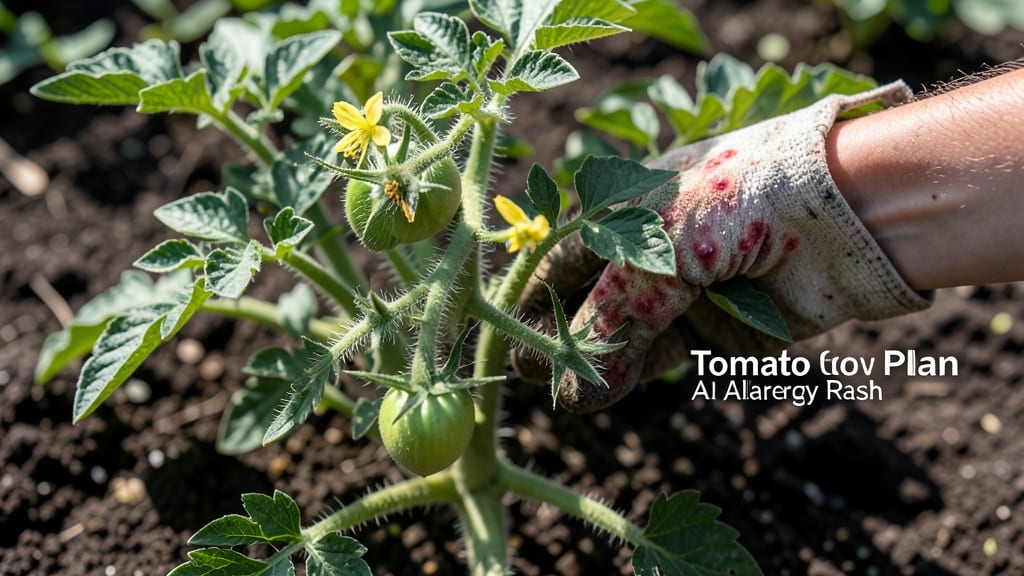
Seeing those telltale tomato plant allergy rash pictures—the itchy red bumps after handling your plants—isn’t just in your head. It’s a real allergy many gardeners face, and the sap, stems, and even pollen can trigger reactions in sensitive skin, leaving you scratching and wondering what went wrong.
This guide shows you exactly what to watch for so you can keep gardening without the discomfort.
Most reactions appear within minutes to hours after contact, starting as small bumps that turn red and itchy. The rash often shows up on hands, arms, or faces—anywhere the plant sap touches.
Some people also experience swelling or blisters, though these are less common. The good news? Recognizing the signs early makes it easier to avoid triggers and protect your skin.
Prevention is simple: wear gloves when pruning, wash your hands thoroughly after handling plants, and avoid touching your face while working. If you already have a rash, cold compresses and over-the-counter antihistamines can help ease the irritation—though severe reactions need professional attention.
With these steps, you’ll stay safe while still enjoying your tomato harvest.
This guide isn’t just about spotting rashes—it’s about gardening confidently. Whether you’re a beginner or a seasoned grower, knowing what to look for means you can keep your green thumb without the red, itchy reminders. Let’s get you back to planting with peace of mind.
What Triggers Tomato Plant Rashes
If you’ve ever touched a tomato plant and ended up with an itchy, red rash, you’re not alone. These reactions happen due to direct contact with specific compounds in the plant—whether it’s the leaves, stems, or even the fruits.
Understanding the underlying causes can help you avoid flare-ups and manage symptoms effectively. Here’s why tomato plant allergies happen:
Tomato plants, like many in the nightshade family (Solanaceae), contain natural chemicals that can irritate sensitive skin. The most common culprits are:
- Solanine and Chaconine: These glycoalkaloid toxins are concentrated in the leaves and stems. When crushed or broken, they release irritating compounds that trigger an immune response in some people. Fun fact: These same compounds are why green tomatoes (unripe) can cause stomach upset if ingested in large amounts!
- Histamine-Releasing Compounds: Tomato plants produce natural histamines (similar to those in allergic reactions) that can cause inflammation, redness, and itching upon contact. This is why some people develop rashes even without a true allergy—it’s more of a contact dermatitis reaction.
Actionable tip: Wear gloves when pruning or handling tomato plants, especially if you have sensitive skin or a history of plant allergies.
If you’re allergic to tomato plants, you might also react to other members of the nightshade family. These plants share similar proteins that can provoke immune responses:
- Potatoes (especially green or sprouted tubers)
- Eggplants
- Peppers (bell peppers, chili peppers)
- Tobacco
This phenomenon is called cross-reactivity. If your skin reacts to tomato leaves, your body may recognize similar proteins in these related plants, leading to rashes or even oral allergy syndrome (OAS) if you eat them. Pro tip: Patch-test with a small area of skin before handling new nightshade plants.
Tomato plants are often treated with pesticides, fungicides, or herbicides to prevent diseases like blight or pests. Some of these chemicals can linger on the plant’s surface and cause skin irritation:
- Neonicotinoids: Common insecticides that can cause contact dermatitis in sensitive individuals.
- Copper-based fungicides: Used to treat fungal diseases; copper is a known skin irritant, especially for those with eczema or allergies.
- Organophosphates: Another pesticide class that may trigger allergic reactions in some people.
Key insight: Organic tomato plants are less likely to carry synthetic chemical residues, but even natural sprays (like neem oil) can sometimes cause irritation. Always rinse your hands thoroughly after handling treated plants.
Understanding these triggers is the first step to avoiding tomato plant rashes. Next, we’ll cover how to identify symptoms and what to do if you develop a reaction.
Quick Fixes for Tomato Allergy Rash Relief
If you’ve spotted a tomato plant allergy rash creeping in after contact with the plant, don’t panic—there are fast, effective ways to ease discomfort and prevent flare-ups. The key is addressing the root cause while soothing your skin.
Below, we break down targeted solutions based on the most common triggers, from direct contact to airborne irritants, plus prevention tips to keep your garden (and skin) happy.
If you’re already dealing with redness, itching, or bumps, act fast with these steps:
1. Wash Off the Irritant ASAP
🔥 Rinse with Cold Water – Use lukewarm or cool water (hot water can worsen irritation) to wash the affected area for at least 10 minutes.
This helps remove residual plant oils, sap, or pollen stuck to your skin. 👨🍳 Gentle Cleanser Boost – Add a mild, fragrance-free soap (like Cetaphil or Dove Sensitive Skin) to your wash.
Avoid harsh scrubs or alcohol-based products—they can dry out skin and make rashes worse. ⏰ Pro Tip: If you’re outside, carry a small bottle of saline solution (sterile, preservative-free) to rinse hands or exposed skin if you can’t get to water immediately.
2. Soothe with Skin-Calming Treatments
🌿 Cold Compress – Apply a clean, damp cloth chilled in the fridge (or a cold pack wrapped in a towel) for 10–15 minutes to reduce swelling and itching.
Do this 2–3 times daily until symptoms improve. 💡 Over-the-Counter (OTC) Relief – Try these non-prescription options to tame inflammation: - Hydrocortisone cream (1%) – Reduces itching and redness (apply a thin layer 2–3 times/day). - Calamine lotion – Dries out weepy rashes and cools irritation (great for hands or arms). - Antihistamine cream (like Benadryl) – Helps if the rash is histamine-driven (use sparingly). 🌡️ Oral Antihistamines – If itching is severe, take non-drowsy options like loratadine (Claritin) or cetirizine (Zyrtec) to block allergic reactions internally.
3. Hydrate and Heal the Skin
🥗 Moisturize Like a Pro – After washing, slather on a fragrance-free, hypoallergenic moisturizer (like Vanicream or CeraVe) to lock in hydration and prevent cracking.
Avoid lotions with lanolin, coconut oil, or essential oils—they can trigger reactions. ✨ Aloe Vera Gel (Pure, No Additives!) – Apply 100% aloe vera gel (straight from the plant or a medical-grade bottle) to soothe burns or stinging. Test a small patch first to rule out cross-reactivity.
🌱 Cause: Direct Contact with Plant Sap or Leaves
Fix: Barrier Protection + Safe Handling
- Wear gloves when pruning, harvesting, or touching tomato plants—nitrile or vinyl gloves (latex can also cause reactions).
- Rinse tools with soapy water after use to remove sap that could irritate skin later.
- Wash clothes separately after gardening (plant residue can linger on fabric).
🌬️ Cause: Airborne Pollen or Mold Spores
Fix: Reduce Exposure Indoors/Outdoors
- Shower and change clothes immediately after gardening to avoid spreading pollen to your face or bedding.
- Use a HEPA air purifier in your home if you notice rashes after being near tomato plants (especially if they’re flowering).
- Water plants in the morning so pollen dries up by evening (less likely to become airborne).
🍅 Cause: Eating Tomatoes (Oral Allergy Syndrome)
Fix: Dietary Adjustments
- If you’re allergic to raw tomatoes but tolerate cooked ones, peeling and cooking tomatoes may reduce reactions (heat can break down some allergens).
- Avoid cross-contamination—wash cutting boards and knives thoroughly after prep to prevent residue from triggering skin contact.
- Try an elimination diet—remove tomatoes for 2–3 weeks to see if rashes improve, then reintroduce slowly.
🐝 Cause: Insect Bites or Stings Near Plants
Fix: Prevent Bug Bites + Treat Reactions
- Spray tomato plants with neem oil (natural insect repellent) to deter pests like aphids or beetles that can bite and worsen skin sensitivity.
- If you get stung, wash with soap and water, apply a cold pack, and take an antihistamine if swelling occurs.
- Choose low-allergen varieties—some tomato plants (like ‘Solar Fire’ or ‘Mountain Merit’) are bred to be more resistant to mold and pests, reducing irritants. - Wear long sleeves/pants when gardening if you’re highly sensitive. - Deadhead flowers regularly to limit pollen spread. - Keep a symptom journal—note when rashes appear (after touching leaves?
After eating?) to pinpoint triggers.
Remember: If rashes spread, blister, or include swelling of the face/lips, seek medical attention—these could signal a severe allergic reaction. Most tomato plant rashes are mild and manageable with these steps, but when in doubt, consult a dermatologist or allergist.
Now that you’re armed with solutions, garden with confidence—and keep your skin happy! 🌱💚
Frequently asked questions
What do tomato plant allergy rashes look like?
Tomato plant rashes typically appear as small red bumps or raised welts that look similar to hives or poison ivy reactions. They often start within minutes to hours after contact and may spread to areas where you touched your face or other body parts. The skin can feel itchy, warm, or slightly swollen. In severe cases, blisters may form, but this is less common.
How long does a tomato plant rash last?
Mild rashes usually fade within 24–48 hours with proper care, while more severe reactions may take 3–5 days to fully heal. If you treat the rash early with cold compresses and antihistamines, symptoms often improve within 6–12 hours. Always monitor for worsening symptoms like spreading redness or difficulty breathing.
Can I still grow tomatoes if I’m allergic?
Yes, but with precautions! Wear nitrile gloves when handling plants, avoid touching your face, and wash your hands thoroughly after gardening. Consider growing low-allergen varieties like ‘Mountain Merit’ or ‘Solar Fire,’ which produce fewer irritants. If you’re highly sensitive, delegate tasks like pruning to someone else.
Are tomato plant rashes contagious?
No, these rashes aren’t contagious—they’re caused by your body’s reaction to plant compounds. However, if the rash is severe or spreads quickly, it could signal a different issue (like an infection). Always consult a doctor if you notice signs of infection like pus, increased pain, or fever.
What’s the difference between a tomato plant rash and poison ivy?
Both cause itchy red rashes, but tomato plant reactions are usually smaller and more localized to contact areas (like hands or arms), while poison ivy often forms a linear pattern where the plant brushed your skin. Tomato rashes also appear faster (minutes to hours) compared to poison ivy’s 12–48 hour delay.