
Companion Plants
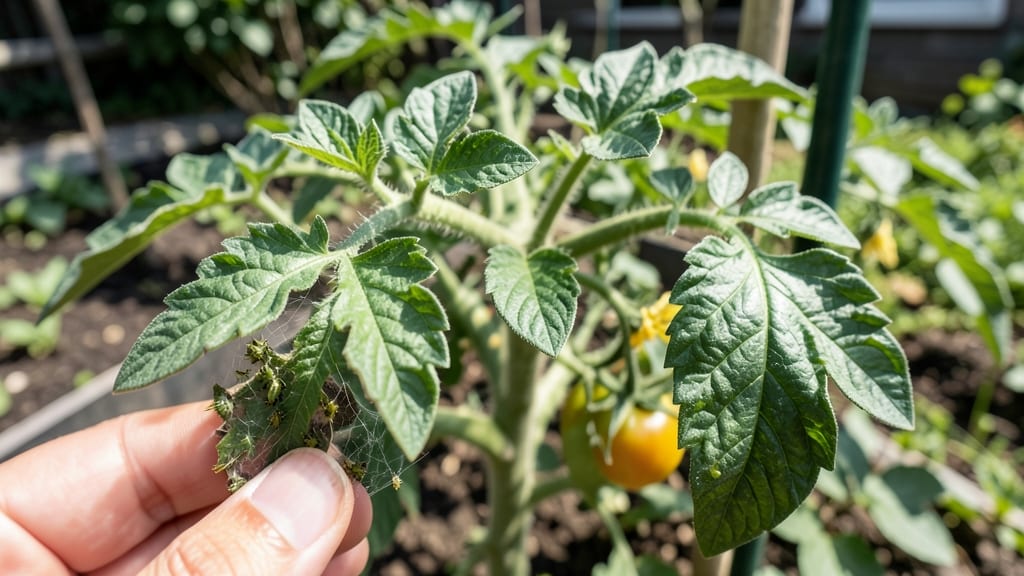
If your tomato plant branches are curling, it’s usually a sign that pests, stress, or disease are at play—🌱 and the good news is most cases are fixable with a few targeted steps.
I've seen this happen after a heatwave, when spider mites hitch a ride on the undersides of leaves, or when plants get too crowded. The good news? Most cases are fixable with a few targeted steps.
Start by inspecting leaves and stems closely—look for tiny webs, speckled patterns, or sticky residue. Spider mites and aphids love curling leaves, while viral infections often show up as yellowing between veins.
The key is acting fast: a strong spray of water can knock off pests, while neem oil or insecticidal soap works like a charm for stubborn infestations. What you'll end up with is straight, sturdy vines that support heavy fruit without bending.
Prune any severely damaged branches to redirect energy, and watch your plants bounce back within a week or two. The best part? Prevention is simple—regular checks and proper spacing keep problems at bay. Works for backyard gardens, containers, or raised beds—just adapt the approach to your setup.
Let's get those vines back to normal!
Root Causes Behind Curling Tomato Vines
When your tomato plant’s branches start curling—whether upward, downward, or inward—it’s rarely a coincidence. These telltale signs are your plant’s way of signaling distress, often triggered by environmental stressors, nutrient imbalances, or hidden invaders.
Understanding the why behind the curl is the first step to saving your harvest. Below, we break down the most common culprits, backed by science and actionable insights.
Tomatoes thrive in consistent warmth (60–85°F), but sudden temperature shifts—especially cold snaps or heatwaves—can cause branches to curl as a protective response. Here’s how it happens:
- Cold Stress: When nighttime temps dip below 50°F, cell membranes stiffen, disrupting nutrient uptake. The plant’s growth hormones (like auxins) become unbalanced, leading to stunted, curled leaves and stems. 💡 Pro Tip: Use row covers or black plastic mulch to retain heat.
- Heat Stress: Above 90°F, photosynthesis slows, and the plant conserves water by curling leaves to reduce surface area. This can also trigger abscisic acid (a stress hormone) production, causing branches to twist or cup. ✨ Solution: Provide afternoon shade with shade cloth (30–50%) or drip irrigation to keep roots cool.
🔍 How to Confirm: Check for yellowing leaves (cold) or wilting despite moist soil (heat). If the curl happens overnight, temperature is likely the culprit.
Water is the lifeblood of tomato plants, and imbalances send branches into a spiral. Curling often signals root stress, whether from drought or overwatering.
| Issue | Why It Causes Curling | Fix It Fast |
|---|---|---|
| Underwatering | The plant’s roots shrink from dry soil, triggering ethylene gas production (a growth regulator). Leaves curl inward to conserve moisture, and stems may harden or twist. | Water deeply 1–2 inches per week (check soil 1” down—if dry, it’s time). Use mulch to retain moisture. |
| Overwatering | Soggy soil cuts off oxygen to roots, leading to root rot (fungal/bacterial). The plant can’t absorb nutrients, causing new growth to curl upward in a desperate bid for air. | Let soil dry 1–2 inches between waterings. Improve drainage with perlite or raised beds. |
| Uneven Watering | Fluctuating moisture levels confuse the plant’s vascular system. Roots struggle to transport water, leading to patchy curling on branches. | Install a drip irrigation system for consistent delivery. Avoid overhead watering (leads to fungal issues). |
Tomatoes are heavy feeders, and imbalances in key nutrients can warp branches. Curling often points to deficiencies in calcium, nitrogen, or potassium, or toxicities from over-fertilizing.
- Calcium Deficiency (Blossom End Rot’s Silent Partner):
Curling leaves paired with brown, leathery spots on fruit? Your plant can’t absorb calcium due to poor soil pH (below 6.0) or uneven watering. Calcium stabilizes cell walls—without it, new growth curls and weakens.
💡 Quick Fix: Apply crushed eggshells or calcium nitrate (1 tbsp/gallon of water). Test soil pH and aim for 6.2–6.8.
- Nitrogen Starvation:
Pale, curling leaves with yellowing between veins? Your plant is hungry for nitrogen, a key player in chlorophyll production. Without it, growth slows, and branches curl as the plant conserves energy.
✨ Solution: Feed with composted manure or balanced fertilizer (10-10-10). Avoid overdoing it—too much nitrogen leads to leafy growth at the expense of fruit.
- Potassium or Magnesium Toxicity:
Excessive fertilizer (especially high in potassium or magnesium) can burn roots, causing curling and crispy leaf edges. The plant’s ability to regulate water and nutrients shuts down.
🔥 Fix: Flush soil with water (1–2 inches) to leach excess salts. Switch to organic fertilizers like fish emulsion.
While this article focuses on pest-free fixes, some curling is caused by sap-sucking insects that weaken branches. Here’s how to spot them:
- Spider Mites:
Tiny (1/50”) but mighty, these pests pierce cells to suck sap, causing upward curling and silver stippling on leaves. They thrive in dry, hot conditions.
🕷️ Signs: Fine webbing on undersides of leaves.
- Aphids:
These green/black bugs cluster on new growth, injecting toxins that cause downward curling and sticky honeydew. They spread viruses like tomato mosaic.
🐜 Signs: Stunted, curled leaves with black sooty mold (fungus fed by honeydew).
- Whiteflies:
Yellowing, curling leaves paired with tiny white moths taking flight when disturbed? Whiteflies excrete honeydew, leading to fungal growth and weakened branches.
🛡️ Pest-Free Defense: Blast off pests with neem oil or insecticidal soap. Introduce companion plants like basil or marigolds to repel them naturally.
🔍 Next Steps: Once you’ve identified the cause, the fix is often simple—adjust watering, tweak soil, or shield your plant from extremes. In the next section, we’ll dive into pest-free solutions to strengthen those vines and restore your tomato’s vigor! 🍅💪
Quick Fixes for Curling Tomato Vines
Curling tomato branches can be frustrating, but the good news is that most issues have simple, effective solutions. Below, we’ve mapped the most common causes to actionable fixes—plus tips to keep your plants thriving long-term.
Whether your vines are puckering from pests, weather, or nutrient imbalances, these steps will help you restore healthy growth.
If tiny bugs or chewed leaves are to blame, act fast to prevent further damage.
🔥 Identify the Pest First
- Aphids, Spider Mites, or Whiteflies: Look for sticky residue (honeydew) or webbing on leaves.
- Tomato Hornworms: Check for large, green caterpillars with white stripes.
- **Fungal Galls (e.g., Cuscuta or Psyllids): Curling may be paired with bumps or thread-like growths.
🍳 Natural Pest Control Methods
| Pest | Fix | Prevention Tip |
|---|---|---|
| Aphids/Mites | Spray with neem oil (1 tsp per quart of water) or soapy water (1 tbsp mild soap + 1 quart water). Repeat every 3–5 days. | Plant marigolds or basil nearby to repel pests. |
| Hornworms | Handpick larvae (drop them in soapy water) or introduce parasitic wasps** (like Cotesia glomeratus). | Use row covers early in the season. |
| Whiteflies | Trap with yellow sticky cards or blast leaves with water to dislodge adults. | Encourage ladybugs with dill or fennel. |
| Fungal Galls | Prune infected branches below the curl and dispose of them in the trash (not compost). | Avoid overhead watering; water at the base instead. |
💡 Pro Tip: For severe infestations, pyrethrin-based sprays (derived from chrysanthemums) work quickly—but use sparingly to protect beneficial insects.
Heatwaves, cold snaps, or wind can cause branches to curl as a survival mechanism. Adjust care to protect your tomatoes.
🌡️ Adjusting for Temperature Swings
- Too Hot (Above 90°F/32°C):
- Fix: Provide shade cloth (30–50% coverage) during peak afternoon sun.
- Prevention: Plant in late spring/early summer or use mulch to keep roots cool.
- Too Cold (Below 50°F/10°C):
- Fix: Cover plants with frost blankets at night or move pots to a sheltered spot.
- Prevention: Choose cold-hardy varieties like ‘Solar Fire’ or ‘Mountain Merit’.
💨 Wind & Physical Damage
- Fix:
- Stake or cage vines immediately to prevent flopping.
- Prune overly long branches to reduce wind resistance.
- Prevention: Plant tomatoes near a windbreak (e.g., cornstalks or a fence).
Curling can signal a lack of key nutrients. Test soil or observe leaf color for clues.
📊 Diagnosing Nutrient Issues
| Symptom | Likely Cause | Solution |
|---|---|---|
| Yellowing between veins | Nitrogen deficiency | Apply compost tea or blood meal (follow package rates). |
| Purple stems/leaves | Phosphorus deficiency | Mix bone meal into soil or use a balanced 10-10-10 fertilizer. |
| Brown edges on leaves | Potassium deficiency | Feed with banana peel tea or potassium sulfate. |
| Stunted growth | Calcium deficiency | Sprinkle crushed eggshells or use calcium nitrate (1 tbsp/gallon water). |
💡 Pro Tip: Over-fertilizing can burn roots! Water deeply before and after applying amendments.
Sometimes, curling is a sign of overgrowth or poor structure. Prune strategically to redirect energy.
🔪 How to Prune Curling Branches
- Remove Damaged Leaves: Snip off yellowed or curled leaves with clean shears (sterilize with rubbing alcohol).
- Thin Suckers: Pinch off suckers (shoots in the V-shaped junction of stems) to focus energy on fruit production.
- Support Vines: Use tomato cages, stakes, or trellises to prevent branches from rubbing together (which spreads disease).
✨ Prevention: Prune regularly (every 2–3 weeks) to maintain airflow and reduce stress.
If your plant is severely curled, wilted, or covered in pests with no improvement after 1–2 weeks:
- For Young Plants: Trim back to healthy green growth and restart care.
- For Mature Plants: Focus on saving the remaining fruit—harvest ripe tomatoes and compost the rest of the plant (if pest-free).
Remember: Most curling issues are temporary! With the right care, your tomato vines will bounce back—and you’ll be rewarded with juicy, vine-ripened tomatoes in no time. 🍅🌿
Frequently asked questions
Why are my tomato plant branches curling upward instead of downward?
Upward curling often signals dry conditions or pest infestations like spider mites. These tiny pests suck sap, causing leaves to cup upward while creating webbing on undersides. Check soil moisture first—if dry, water deeply. For pests, spray with neem oil or soapy water (1 tbsp mild soap per quart).
Can overwatering cause tomato branches to curl?
Yes! Overwatering leads to root rot, cutting off oxygen. The plant responds by curling new growth upward in a desperate bid for air. Let soil dry 1-2 inches between waterings and improve drainage with perlite or raised beds. Yellowing leaves paired with curling confirm this issue.
How do I tell if curling is from heat stress vs. pests?
Heat stress causes even curling across leaves with no visible pests, while pests create uneven patterns and leave sticky residue. Check leaf undersides for mites or aphids. Heat-stressed plants also show wilting despite moist soil. Provide afternoon shade for heat; use neem oil for pests.
Will pruning help if my tomato branches are already curled?
Yes, but focus on removing severely damaged leaves first. Prune suckers (side shoots) to redirect energy to healthy growth. Support vines with cages or stakes immediately to prevent further damage. Prune in morning hours when plants are hydrated for best recovery.