
Planting
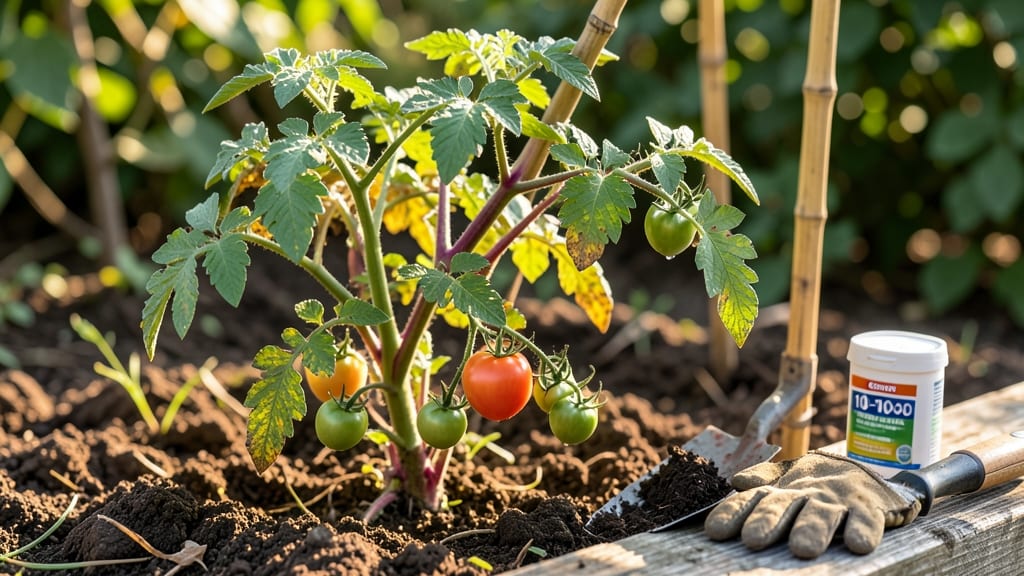
When your tomato plant stems turn purple, it’s a cry for help—not a death sentence. 🌱 I’ve seen this happen after heavy rains, nutrient imbalances, or even overzealous pruning, and every time, the right fix brought those plants roaring back.
The key is acting fast, diagnosing the root cause (literally), and giving your tomatoes exactly what they need to recover.
Most purple stems stem from phosphorus deficiency, calcium imbalance, or even fungal stress. You’ll spot the difference in the leaves: phosphorus-deficient plants show dark purple on the undersides, while calcium issues cause browning at the stem tips.
A simple soil test or at-home pH kit can confirm—though I’ve fixed many plants just by eyeballing the symptoms and adjusting my fertilizer routine.
Here’s the good news: phosphorus and calcium fixes are simple. A balanced 10-10-10 fertilizer or bone meal for phosphorus, plus crushed eggshells or lime for calcium, can turn those stems green again in 7-10 days.
Prune back any blackened or mushy stems immediately to prevent spread, and keep the soil moist but not soggy—tomatoes hate wet feet when they’re stressed.
Prevention is easier than cure: test your soil every spring, rotate crops to avoid depletion, and mulch heavily to stabilize moisture. If the purple spreads despite your efforts, it might be a fungal issue like early blight—time to call in the pros before it takes hold.
Your tomatoes will thank you with bushels of red fruit by summer’s end.
Understanding Purple Stem Causes
When your tomato plant stems start turning purple, it’s not just a cosmetic issue—it’s a cry for help from your plant. Purple hues in stems (especially in tomatoes) usually signal a nutrient imbalance or environmental stress. Let’s break down the most common culprits and why they trigger this color shift.
Purple stems in tomatoes are most often linked to phosphorus deficiency, but other nutrients can also play a role. Here’s how it works:
- Phosphorus Shortage: Phosphorus is essential for energy transfer and root growth. When levels drop, your plant may produce anthocyanins (pigments that turn stems purple) as a survival mechanism. This is especially common in sandy or acidic soils where phosphorus binds tightly and becomes unavailable.
- Potassium Deficiency: While less common than phosphorus issues, potassium deficiency can also cause purple tinges, particularly in younger stems. Potassium helps regulate water and nutrient uptake—without it, your plant struggles to maintain healthy cell function.
- Nitrogen Imbalance: Too little nitrogen can stunt growth, but excess nitrogen can also mask phosphorus deficiency by promoting leafy (but weak) growth. If your plant is "purple" despite lush foliage, nitrogen might be overpowering other nutrients.
Pro Tip: 💡 Test your soil’s pH (ideal: 6.0–6.8 for tomatoes) and nutrient levels with a DIY kit or lab test. Purple stems often mean it’s time to amend your soil with bone meal (for phosphorus) or a balanced fertilizer (like 10-10-10).
Tomatoes are tropical plants, and when they’re pushed outside their comfort zone, they may turn purple as a stress response. Here’s how:
- Extreme Heat: High temperatures (above 90°F/32°C) can disrupt nutrient uptake, especially phosphorus. The plant may produce anthocyanins to protect cells from UV damage or reduce water loss through photosynthesis adjustments.
- Cold Stress: Chilly nights (below 50°F/10°C) slow metabolic processes, including nutrient absorption. Purple stems can appear as the plant conserves energy, prioritizing survival over growth.
- Insufficient Light: Weak sunlight reduces photosynthesis, forcing the plant to redirect energy. In low-light conditions, anthocyanins may accumulate to absorb more blue light (which helps with energy production).
Pro Tip: ✨ If environmental factors are to blame, adjust your plant’s growing conditions:
- Move potted tomatoes to a shadier spot during peak heat or use row covers for cold protection.
- Use reflective mulch (like white plastic) to bounce light onto stems.
- Ensure consistent watering—stress from drought or overwatering can worsen discoloration.
While less common, certain pests or diseases can cause purple or dark discoloration in stems. Here’s what to watch for:
- Verticillium or Fusarium Wilt: These soil-borne fungi can cause dark purple or black streaks in stems as they block water transport. Unlike nutrient-related purple, this discoloration is often accompanied by wilting or yellowing leaves.
- Spider Mites or Aphids: Heavy infestations can stress the plant, leading to purple or reddish hues as the plant struggles to recover. Check the undersides of leaves for tiny webs or clusters of pests.
- Herbicide Drift or Chemical Burn: If purple stems appear suddenly on only one side of the plant, nearby herbicide use (or even over-fertilizing with synthetic chemicals) may be the cause.
Pro Tip: 🔥 If you suspect a pathogen:
- Remove infected plants immediately to prevent spread.
- Disinfect tools with rubbing alcohol between uses.
- Apply neem oil or copper fungicide as a preventive measure.
Most cases of purple tomato stems are fixable with targeted care. Start by ruling out the most likely causes—nutrient deficiencies and environmental stress—before diving into pest or disease checks. Your tomatoes will thank you with vibrant green stems and a bountiful harvest!
Quick Fixes for Purple Tomato Stems
Now that you know the root causes behind those unsightly purple tomato stems, it’s time to roll up your sleeves and get your plants back on track! Here’s a practical, step-by-step guide to diagnosing and fixing the issue—plus tips to keep your tomatoes thriving long-term.
If your purple stems are due to phosphorus overload or nitrogen deficiency, tweaking your fertilizer is the first move.
🍳 Step 1: Test Your Soil (Optional but Helpful)
Before making changes, grab a soil test kit (or send a sample to your local extension office). This tells you exactly what nutrients are missing or excessive.
If testing isn’t an option, observe your plants: - Yellowing leaves? → Likely nitrogen deficiency. - Dark green, slow growth? → Possible phosphorus or potassium excess.
👨🍳 Step 2: Switch to a Balanced Fertilizer
If your current fertilizer is high in phosphorus (e.g., 5-10-5 or 10-20-10), dial it back. Instead, opt for a balanced formula like:
- 10-10-10 (equal parts nitrogen, phosphorus, potassium)
- 5-5-5 (gentler for sensitive plants)
Pro Tip: 💡 For organic gardeners, try compost tea or fish emulsion (high in nitrogen) to correct deficiencies without synthetic overload.
⏰ Step 3: Feed at the Right Time
- Early growth stage? Focus on nitrogen (first number in NPK) to boost leafy growth.
- Flowering/fruiting stage? Shift to a lower nitrogen, higher potassium feed (e.g., 5-10-10) to support fruit development.
- Avoid over-fertilizing—purple stems often mean you’re giving too much of one thing.
Follow package instructions and water thoroughly after feeding to prevent root burn.
Purple stems can also signal stress from inconsistent watering or temperature fluctuations. Here’s how to stabilize your plants:
💧 Step 1: Water Deeply and Consistently
- Shallow watering (just the topsoil) causes roots to seek moisture, leading to weak stems and stress.
- Solution: Water deeply 1-2 times per week (instead of daily light sprinkles) to encourage strong root growth.
- Test depth: Stick your finger 2 inches into the soil—if it’s dry, water again.
🌡️ Step 2: Protect from Temperature Swings
Tomatoes hate sudden cold snaps or hot afternoon sun after cool mornings.
Purple stems often appear when plants are struggling to adapt. - Morning watering helps regulate soil temperature. - Use row covers or shade cloth (30-50%) if temps drop below 50°F (10°C) or spike above 90°F (32°C). - Mulch heavily (straw or grass clippings) to keep roots cool and moist.
✨ Step 3: Avoid Overhead Watering
Wet foliage + humidity = fungal diseases (like early blight), which stress plants and can trigger purple discoloration.
- Water at the base using drip irrigation or a soaker hose.
- Water early in the day so leaves dry quickly.
If your tomato stems are purple from physical stress (e.g., wind, poor support, or overcrowding), pruning and staking can save the day.
✂️ Step 1: Prune Damaged or Overcrowded Growth
- Remove suckers (the small shoots in the leaf axils) to improve airflow and reduce competition for nutrients.
- Trim any yellow or diseased leaves—they drain energy from the plant.
- Be gentle! Avoid aggressive pruning, which can shock the plant further.
🏗️ Step 2: Add Proper Support
Weak, purple stems often can’t support heavy fruit loads.
- Stake indeterminate tomatoes (tall, vining types) with bamboo stakes or cages.
- Use tomato clips or soft ties to secure stems without crushing them.
- For determinate tomatoes (bush types), a small cage or stake prevents sprawling.
🌱 Step 3: Thin Out Fruit (If Needed)
Too many tomatoes = stretched, weak stems.
- If your plant is struggling, remove some fruit (especially small, green ones) to let the remaining tomatoes mature properly.
Sometimes, insects or pathogens cause stress that manifests as purple stems. Here’s how to check:
🐜 Step 1: Inspect for Pests
Common culprits:
- Aphids, spider mites, or whiteflies (suck plant sap, weakening stems).
- Flea beetles (chew leaves, causing stress).
- Signs: Sticky residue, tiny holes, or webbing on leaves.
How to treat:
- Spray with neem oil (natural pesticide).
- Introduce beneficial insects (ladybugs, lacewings).
- Remove heavily infested leaves and dispose of them.
🦠 Step 2: Check for Fungal or Bacterial Issues
- Early blight or septoria leaf spot can cause purple-black spots on stems/leaves.
- Solution:
- Remove infected leaves and destroy them (don’t compost!).
- Apply copper fungicide or baking soda spray (1 tsp baking soda + 1 quart water + a drop of dish soap).
- Space plants 18-24 inches apart for better airflow.
Once your tomatoes are back on track, keep these habits to avoid purple stems in the future:
- 📊 Soil Test First – Know your soil’s pH and nutrient levels before planting. Aim for pH 6.0-6.8 (slightly acidic).
- 🌱 Rotate Crops – Don’t plant tomatoes in the same spot yearly to prevent nutrient depletion or disease buildup.
- 💰 Use Slow-Release Fertilizer – Granular or organic options (like compost or worm castings) release nutrients steadily.
- 🌡️ Choose the Right Variety – Some tomatoes (like ‘Solar Fire’ or ‘Heatmaster’) handle heat better and are less prone to stress.
- 🌱 Mulch Heavily – 3-4 inches of mulch retains moisture, regulates temperature, and reduces weeds (which compete for nutrients).
Final Thought: Purple stems are usually a warning sign, not a death sentence. With the right adjustments—fertilizer balance, consistent watering, support, and pest control—your tomato plants will bounce back stronger than ever. 🍅💪 Happy gardening!
Frequently asked questions
Why do tomato stems turn purple in hot weather?
Hot temperatures above 90°F (32°C) can cause purple stems as a stress response. Your tomato plants produce anthocyanins (pigments) to protect cells from UV damage and reduce water loss. Provide afternoon shade with row covers or mulch heavily to keep roots cool while maintaining moisture.
Can I fix purple stems by just adding phosphorus fertilizer?
Not always! While phosphorus deficiency is common, too much phosphorus can actually worsen the issue by blocking other nutrients like zinc or iron. First test your soil (ideal pH 6.0-6.8), then use a balanced 10-10-10 fertilizer instead of high-phosphorus options. Bone meal alone may not solve environmental stress causes.
Will pruning help if my tomato stems are already purple?
Yes, but carefully! Remove only blackened or mushy stems (signs of disease) and any yellow leaves that drain energy. Avoid aggressive pruning—focus on improving airflow by removing suckers and adding support like stakes or cages. This helps the plant redirect energy to recovery.
Could my purple stems be from overwatering instead?
While underwatering causes stress, overwatering creates anaerobic soil that prevents roots from absorbing phosphorus and other nutrients. Water deeply 1-2 times per week (check soil 2 inches down) and ensure pots have drainage holes. Let the top inch dry between waterings to prevent root rot.
When should I stop trying home remedies and call a pro?
If purple stems appear with wilting leaves, black streaks, or mushy stems, it could be Verticillium wilt—a fungal disease with no cure. Remove infected plants immediately, disinfect tools with rubbing alcohol, and consider professional soil testing to prevent spread to other garden areas.