
Planting
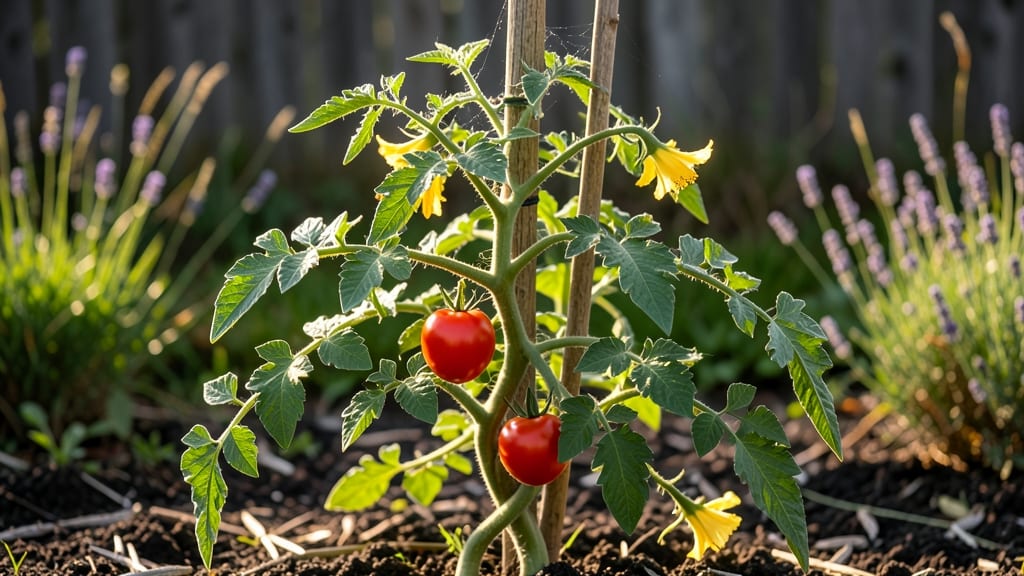
Transforming your tomato plants with a vertical twist turns sprawling vines into a lush, space-saving masterpiece. 🌱 I learned this trick after watching my cherry tomatoes sprawl across the patio—until I wrapped them around a sturdy trellis in a spiral.
Suddenly, 12 plants fit where 6 once grew, and the harvest never looked more dramatic.
The secret isn’t just saving space—it’s how the plants grow. When you train vines upward in a spiral, they develop stronger stems and produce more fruit along the vertical growth. Varieties like 'Sweet 100' or 'Tiny Tim' thrive this way, while larger tomatoes like 'Beefsteak' need extra support.
Just add a few twists every few days, and watch your plants climb like nature’s own chandelier.
By midsummer, you’ll have a vibrant green curtain of tomatoes within arm’s reach, all while keeping pests and diseases at bay. The best part? No more bending over—just reach up and pick ripe fruit straight from the vine. This hack works for balconies, small backyards, or even indoor grow setups.
Ready to see your garden transform? Start with a 5-foot trellis, some soft plant ties, and a few determined vines. The first twist is the hardest—after that, your tomatoes will do the work for you.
Root Causes Of Twisted Growth
Understanding why your tomato plants twist is the first step to fixing the problem—and preventing it in the future. These unexpected spirals aren’t just a quirky quirk of nature; they’re often a sign that your plants are struggling to balance growth, support, and environmental stress.
Let’s break down the most common culprits behind this puzzling behavior, so you can address them with confidence.
When tomato plants are crammed into small containers or planted too closely together, their roots become tangled in a battle for nutrients, water, and space. This root competition forces the plant to grow upward erratically in search of sunlight, leading to twisted stems.
The plant’s natural response? It twists and bends to escape the shade of its neighbors, creating that signature spiral pattern.
What’s happening scientifically?
- Roots release ethylene gas (a plant hormone) when they’re stressed or overcrowded.
- Ethylene triggers abnormal growth patterns, including twisting, as the plant prioritizes vertical expansion over structural stability.
- Weak stems form because the plant diverts energy from lignin production (the compound that strengthens cell walls) to fuel rapid, unchecked growth.
Actionable fix:
- Space plants 18–24 inches apart in the ground or use large containers (5+ gallons) for container-grown tomatoes.
- Prune lower leaves to improve airflow and reduce competition for light.
- Loosen soil gently around the base if roots appear matted—this encourages deeper root growth and stability.
Tomato plants are surprisingly delicate when it comes to wind. Even gentle breezes can cause stem bending, and if the plant is still young or weak, it may permanently twist as it tries to realign with the sun.
Stronger winds or repeated bending (like from outdoor furniture or pets) can warp the stem’s growth pattern, leading to those frustrating spirals.
What’s happening scientifically?
- Thigmomorphogenesis is the plant’s response to mechanical stress—when stems are bent or rubbed, they adjust their growth direction to avoid further damage.
- Auxin hormones (growth regulators) redistribute unevenly, causing asymmetrical cell elongation and a twisted appearance.
- Young stems are less lignified, making them more prone to permanent deformation.
Actionable fix:
- Install a windbreak (like a trellis, fence, or even a row of corn) to shield plants from strong gusts.
- Stake or cage plants early (within the first 2–3 weeks) to provide immediate support before twisting occurs.
- Avoid brushing against stems—even accidental contact can trigger long-term twisting.
Tomatoes thrive in consistent warmth (70–85°F) and 6–8 hours of sunlight daily. When temperatures fluctuate wildly or light is uneven (like in shady corners or under eaves), plants stretch and twist in a desperate bid for stability and energy.
This is especially common in: - Early spring or fall when days are shorter. - Greenhouses or indoor grows with inconsistent light sources. - North-facing gardens where sunlight hits unevenly.
What’s happening scientifically?
- Phototropism (growth toward light) becomes disrupted when light sources change direction (e.g., morning sun vs. afternoon shade).
- Ethylene production spikes in response to cold stress, leading to abnormal cell division and twisted stems.
- Weak cell walls form in low-light conditions, making stems more pliable and prone to warping.
Actionable fix:
- Rotate pots or plants weekly to ensure even light exposure.
- Use grow lights (LED or fluorescent) for 14–16 hours/day if natural light is insufficient.
- Mulch heavily to regulate soil temperature and reduce stress from temperature swings.
- Choose dwarf or determinate varieties if your space has inconsistent light—they’re less prone to dramatic twisting.
Hidden beneath the soil or lurking on leaves, pests and diseases can weaken tomato stems without you even noticing. Root-knot nematodes, aphids, or fungal infections (like early blight) drain the plant’s energy, forcing it to grow erratically to compensate.
Twisting can also occur if the plant is struggling to transport nutrients due to blocked vascular tissue.
What’s happening scientifically?
- Nematodes create galls (lumpy growths) on roots, restricting water and nutrient uptake.
- Aphids and spider mites inject toxins that disrupt auxin transport, leading to deformed, twisted stems.
- Fungal infections (like verticillium wilt) clog xylem vessels, causing water stress and weakened structural support.
Actionable fix:
- Inspect leaves and soil for pests—look for sticky residue (aphids), webbing (spider mites), or yellowing leaves (fungus).
- Apply neem oil or insecticidal soap for pests; copper fungicide for early blight.
- Rotate crops annually to prevent soil-borne pathogens from building up.
- Use resistant varieties (like ‘Mountain Merit’ or ‘Celebrity’) if your area has known pest issues.
Fixing Twisted Tomato Vines
When your tomato plants start twisting like tangled spaghetti, it’s not just an eyesore—it can stunt growth, reduce yields, and even invite pests. But don’t fret! With the right fixes and a little preventive care, you can straighten out those vines and keep your plants thriving.
Below, we’ve broken down the most common causes of tomato plant twists and the practical, step-by-step solutions to correct them—plus tips to keep your plants growing strong and upright.
Cause: Without proper support, tomato plants sprawl, twist, and tangle as they search for stability. Weak or improperly placed stakes, cages, or trellises force vines to grow in awkward directions.
How to Fix It: 🔥 📏 Assess Your Support System Remove any damaged or inadequate stakes/cages immediately. Replace them with stronger, taller supports—bamboo stakes (6+ feet tall), sturdy metal cages, or a DIY wooden trellis (see below for a quick build).
🍳 👨🍳 Build a Simple Trellis (If Needed) Gather: - 4 wooden posts (8 feet tall) - Twine or garden twine - Zip ties or soft plant ties Steps: 1. Hammer posts into the ground in a square or rectangular pattern around your plants, 2–3 feet from the base.
- Weave twine in a crisscross pattern between posts, creating a grid (leave 12–18 inches between strings).
- Gently weave vines through the grid as they grow, securing them with soft ties every 6–12 inches.
🥘 🔪 Prune and Guide
- Snip twisted or crossing vines at the base of the twist to encourage straight growth.
- Train main stems along the trellis or stake, tying them loosely (too-tight ties can damage stems).
- Remove suckers (side shoots) to reduce competition for nutrients—focus energy on upward growth.
💡 Pro Tip: Use tomato clips (plastic spiral ties) for a gentler hold that won’t dig into stems as plants thicken.
Cause: Strong winds, storms, or even heavy rain can whip vines into knots, causing permanent bends or spirals. Weak stems (common in young plants or overwatered soil) are especially vulnerable.
How to Fix It: 🌡️ 🌿 Stabilize Immediately
- Stake or cage affected plants ASAP—even if they’re already twisted. Insert stakes deeply (1–2 feet into the soil) for maximum stability.
- Use windbreaks if your garden is exposed: Plant tall sunflowers or corn as natural barriers, or install floating row covers on windy days.
🎯 🔄 Straighten Gently
- For minor bends, loosely tie the vine to the stake in its natural curve—don’t force it straight.
- For severe twists, carefully untwist the vine by hand (like untangling a headphone cord) and secure it to the stake with a soft tie. Do this in stages over a few days to avoid snapping stems.
✨ Pro Tip: After storms, water deeply to help roots recover. Mulch around the base to prevent soil erosion, which weakens stems further.
Cause: Soggy soil or compacted roots strangle plants, causing vines to grow erratically as they search for oxygen. Overwatering (especially in containers) leads to root rot, which weakens structural support.
How to Fix It: 💦 🚰 Drainage First
- Check your soil: Dig a small hole near the plant. If water pools after 30 minutes, your soil is too dense.
- Amend the soil with:
- Compost (1 part compost to 3 parts soil)
- Perlite or vermiculite (10% of the mix) for aeration
- Sand (coarse, not fine) if your soil is clay-heavy
🔥 🌱 Repot or Relocate (If Needed)
- If growing in containers, transfer to a larger pot with drainage holes.
- For in-ground plants, loosen soil around the roots with a fork (be gentle!) to improve airflow.
🥗 📊 Adjust Watering Habits
- Water deeply but infrequently: Aim for 1–1.5 inches per week (check with a trowel—soil should be moist 2–3 inches down).
- Water at the base, not overhead, to prevent fungal issues.
- Use drip irrigation or soaker hoses for consistent moisture without oversaturating.
💡 Pro Tip: If your plant is already twisted from poor drainage, prune back 1/3 of the foliage to reduce stress while roots recover.
Cause: Pests like hornworms, aphids, or spider mites chew on stems, while diseases (e.g., early blight, fusarium wilt) weaken structural integrity. Twisted growth is often a sign of compromised vascular tissue.
How to Fix It: 🔪 🐛 Identify and Remove Pests
- Handpick large pests (hornworms, caterpillars) and drop them in soapy water.
- Spray with neem oil (mix 2 tbsp neem oil + 1 tsp mild soap + 1 quart water) to deter mites and aphids.
- Introduce beneficial insects: Ladybugs eat aphids; parasitic wasps target hornworms.
🌡️ 🏥 Treat Diseases Promptly
- Prune infected leaves (sterilize shears with rubbing alcohol between cuts).
- Apply copper fungicide or a baking soda spray (1 tsp baking soda + 1 quart water + a drop of dish soap) for fungal issues.
- Remove and destroy severely infected plants to prevent spread.
💡 Pro Tip: Strengthen weak plants with a balanced fertilizer (10-10-10) or compost tea to boost recovery.
Once you’ve fixed the twists, stop them from returning with these habits:
- Start with strong supports: Install stakes or trellises at planting time—don’t wait for vines to sprawl.
- Prune regularly: Remove suckers and dead leaves to reduce weight on stems.
- Monitor soil health: Test pH (ideal: 6.0–6.8) and add organic matter yearly.
- Choose dwarf or determinate varieties if space is limited—they’re naturally more upright.
- Mulch heavily: A 2–3 inch layer of straw or wood chips retains moisture and stabilizes soil.
Final Thought: Twisted tomato vines are fixable—and often a sign your plants are fighting back against poor conditions. With the right support, care, and a little elbow grease, you’ll have straight, productive vines climbing toward the sun in no time. 🍅✨
Frequently asked questions
Can I use a tomato plant twist technique for all tomato varieties?
The spiral or vertical twist method works best with determinate (bush) varieties like 'Roma' or 'Celebrity' since they naturally grow in compact shapes. For indeterminate (vining) types like 'Sungold' or 'Beefsteak', you’ll need extra support (like a 6-foot trellis) to prevent breakage. Start with smaller varieties if you're new to vertical growing—they’re more forgiving and produce faster results.
How often should I adjust the spiral as my tomato plants grow?
Check and gently retrain your plants every 3–5 days during active growth (spring to early summer). Use soft plant ties or twine to guide vines upward, but avoid wrapping too tightly—it can restrict growth. For severe twists, untangle them gradually over 2–3 days to prevent stem damage. Think of it like teaching a child to climb: patience and consistency win.
Will twisting tomato plants affect fruit production?
Not if done correctly! Proper vertical training actually increases yield by improving airflow (reducing disease) and focusing energy upward. However, forcing aggressive twists can stress plants—always prune suckers and remove damaged leaves. The key is balance: aim for a loose, natural spiral rather than forcing sharp bends. Varieties like 'Sweet 100' thrive with this method, producing more fruit along the vertical stem.
Can I use a tomato plant twist indoors?
Indoor growing works well with container varieties like 'Tiny Tim' or 'Patio Princess' in 5-gallon pots near a sunny window. Use a mini trellis or cage (even a sturdy wire coat hanger works) and supplement with grow lights for 14–16 hours/day. Just ensure proper drainage—indoor plants are more prone to overwatering, which can weaken stems and cause twisting.
What’s the best time of day to train my tomato plants?
Morning is ideal! Train vines between 8 AM–10 AM when plants are hydrated but not wilting. Avoid midday heat (12–3 PM) as stems are more brittle. If you must adjust later, do it in the late afternoon (after 4 PM) and water thoroughly afterward to help recovery. Think of it like stretching after a workout—gentle, consistent effort works best.