
Plants
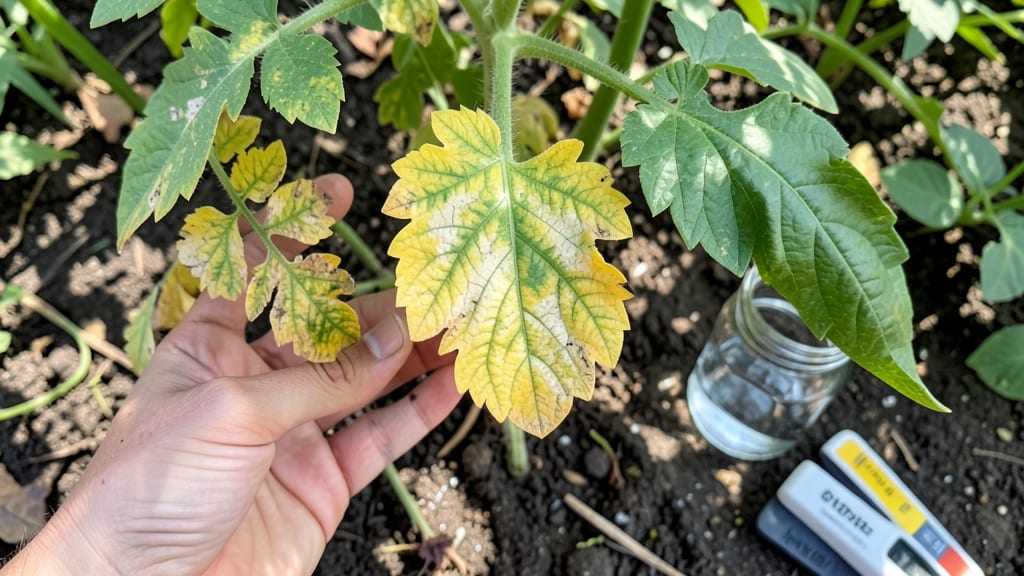
Yellow tomato leaves don’t mean game over—just a cry for help. 🌱 I’ve nursed back dozens of plants from this exact problem, and the fixes are simpler than you’d think.
Most gardeners panic when they see those first pale patches, but the real skill is spotting the why behind the yellow. Start by checking the soil: if it’s soggy, you’re overwatering; if it’s bone-dry, you’re underwatering.
Then inspect the leaves—spider mites leave tiny webs, aphids cluster on undersides, and fungal spots look like coffee stains. The good news? Each issue has a targeted fix, and I’ll walk you through them step by step. You’ll have your plants looking lush and green again in just days—not weeks.
The key is acting fast before the problem spreads to the fruit. Trust me, your tomatoes can bounce back stronger than ever with the right care. Prevention is where the real magic happens. A few simple habits (like mulching and proper spacing) will keep your plants thriving all season.
Let’s get those leaves back to their vibrant selves!
Root Causes Behind Yellowing Tomato Leaves
When your tomato plant’s leaves start turning yellow, it’s not just a cosmetic issue—it’s a cry for help from your plant. Understanding the underlying causes is the first step to saving your harvest.
Below, we break down the most common reasons why tomato leaves yellow, backed by science and actionable insights to diagnose the problem accurately.
Tomatoes thrive in well-drained soil, and when roots sit in soggy conditions, they suffocate—leading to root rot (often caused by Phytophthora or Fusarium fungi). Yellowing leaves, especially at the bottom of the plant, are a classic sign of overwatering.
Roots deprived of oxygen can’t absorb nutrients efficiently, causing leaves to wilt and turn yellow before eventually dropping.
Why it happens:
- Waterlogged soil blocks oxygen, triggering anaerobic bacteria that release toxic compounds.
- Compacted or heavy clay soil doesn’t drain well, even if you’re not overwatering.
- Lack of raised beds or containers with drainage holes traps excess moisture.
💡 Pro Tip: Stick your finger 2 inches into the soil—if it’s damp, wait to water. If the soil stays soggy for days, amend it with perlite or compost to improve aeration.
While overwatering gets the blame, underwatering is just as damaging. Tomato leaves yellow and crisp at the edges when they’re dehydrated, often starting at the leaf margins and moving inward. Heat stress (especially above 90°F/32°C) accelerates this by increasing transpiration (water loss), while roots can’t keep up with demand.
Why it happens:
- Inconsistent watering causes roots to shrink, reducing their ability to absorb moisture.
- Shallow root systems (common in young plants) struggle during heatwaves.
- Evaporative loss from hot, dry winds or direct sun increases water stress.
💡 Pro Tip: Water deeply 1–2 times per week (early morning is best) and use mulch to retain soil moisture. If leaves are already crispy, trim the damaged parts to redirect energy to healthy growth.
Yellowing leaves can signal a nutrient deficiency, with nitrogen being the most common culprit. Nitrogen is crucial for chlorophyll production—without it, leaves turn yellow (a condition called chlorosis) while veins may stay green. This often starts on older, lower leaves because the plant prioritizes new growth.
Why it happens:
- Poor soil quality (e.g., sandy or depleted soil) lacks organic matter to hold nutrients.
- Over-fertilizing with phosphorus/potassium can lock out nitrogen availability.
- Excessive rain leaches nutrients from the root zone.
📊 Nutrient Check:
Symptom
Likely Deficiency
Quick Fix
Yellowing lower leaves (veins stay green)
Nitrogen (N)
Apply blood meal or compost tea
Yellowing between veins (new leaves)
Magnesium or Iron
Spray with Epsom salt solution (1 tbsp/gallon)
Purple stems/leaves
Phosphorus (P)
Add bone meal to soil
✨ Bonus: A soil test ($15–$20) reveals exact deficiencies—worth it for heavy feeders like tomatoes!
Hidden pests like root-knot nematodes, aphids, or fungal infections (e.g., early blight) can weaken roots, leading to yellow leaves. Nematodes, microscopic worms, pierce roots and create galls, disrupting nutrient uptake. Fungal diseases thrive in damp conditions, clogging root tissues and starving the plant.
Why it happens:
- Nematodes thrive in warm, moist soil and are often spread via contaminated tools or plants.
- Aphids suck sap from roots and leaves, weakening the plant’s vascular system.
- Fungal spores (e.g., Verticillium wilt) block xylem vessels, preventing water/nutrient transport.
🔍 How to Spot Them:
- Gnarled, stunted roots = nematodes.
- Sticky residue on leaves = aphids.
- Yellowing with wilting (even when watered) = fungal disease.
👨🍳 Treatment: For nematodes, rotate crops and apply neem oil or marigold companion plants. For fungi, remove infected plants and use copper fungicide.
Tomatoes are sensitive to environmental shocks, including salty soil (from tap water or fertilizers), air pollution, or strong winds that physically damage leaves. Yellowing can also occur if the plant is exposed to sodium buildup (common in coastal areas or over-fertilized soil), which disrupts nutrient absorption.
Why it happens:
- Hard water (high in calcium/magnesium) leaves salt crusts on soil, inhibiting root function.
- Industrial pollution (e.g., ozone or sulfur dioxide) damages leaf tissue.
- Transplant shock or sudden temperature drops (below 50°F/10°C) stunts growth.
🌡️ Solutions:
- Use rainwater or filtered water to avoid salt buildup.
- Protect plants with windbreaks or row covers.
- Move potted tomatoes to shaded areas during extreme heat.
Now that you’ve pinpointed the likely cause, the next step is action. Each of these issues has a targeted fix—so don’t panic! Your tomato plant can bounce back with the right care. 🍅💪
Reviving Your Tomato Plant Quickly
Yellow leaves on your tomato plants don’t mean the end of your harvest—just a call to action! 🌱 With the right fixes, you can nurse your plants back to health and keep those juicy tomatoes coming.
Below, we’ve broken down the most common causes of yellowing leaves and matched them with practical, step-by-step solutions to turn things around. Plus, we’ll share pro tips to keep your plants thriving long-term.
Signs: Yellowing leaves (especially lower ones), soggy soil, wilting despite water.
How to Fix It:
- 🔥 Stop Watering Immediately – Let the top 1–2 inches of soil dry out before watering again. Overwatering suffocates roots and invites fungal diseases.
- 👨🍳 Improve Drainage – If your pots lack drainage holes, transfer your plant to a container with them. For in-ground plants, amend the soil with compost or perlite to loosen it up.
- ⏰ Adjust Your Watering Schedule – Water deeply 2–3 times per week (or when the top inch of soil feels dry) rather than daily shallow waterings. Early morning is best to prevent fungal growth.
- 🌡️ Check for Root Rot – Gently dig around the roots (if possible) to see if they’re mushy or black. If so, trim the affected roots with sterilized scissors, repot in fresh soil, and avoid watering for a few days.
💡 Prevention Tip: Use a moisture meter or the "finger test" to monitor soil moisture. If your thumb sinks in easily, hold off on watering!
Signs: Crispy, yellow edges on leaves, wilting, dry soil.
How to Fix It:
- 🍳 Water Deeply and Slowly – Give your tomato plant 1–2 inches of water per week, either from rainfall or manual watering. Use a soaker hose or drip irrigation to deliver water directly to the roots.
- 🌿 Mulch to Retain Moisture – Spread 2–3 inches of organic mulch (straw, grass clippings, or wood chips) around the base of the plant to lock in moisture and regulate soil temperature.
- 🌡️ Provide Shade During Peaks – If temperatures exceed 90°F (32°C), use shade cloth (30–50%) or a temporary shade structure to protect leaves from scorching.
- ✨ Boost Humidity (Indoor Plants) – Place a tray of water near potted tomatoes or use a humidifier to combat dry air.
💡 Prevention Tip: Group tomato plants together to create a microclimate that retains moisture and reduces heat stress.
Signs: Yellow spots with dark borders (early blight), brown lesions (late blight), or white powdery patches (mildew).
How to Fix It:
- 🔪 Prune Infected Leaves – Remove all yellow or spotted leaves with sterilized pruners (wipe with rubbing alcohol between cuts). Dispose of them in the trash, not compost.
- 🍳 Apply Fungicide – Use a copper-based fungicide or neem oil spray (1 tsp neem oil + 1 tsp mild soap per quart of water). Spray both sides of leaves and repeat every 7–10 days.
- 🌿 Improve Air Circulation – Space plants 18–24 inches apart and stake them to prevent leaves from touching the ground.
- 🌡️ Water at the Base – Avoid overhead watering, which spreads spores. Use a watering wand or drip system instead.
💡 Prevention Tip: Rotate crops—don’t plant tomatoes in the same spot yearly. Fungal spores linger in the soil!
Signs:
- Nitrogen: Pale yellow leaves (especially older ones).
- Magnesium: Yellow patches between leaf veins.
- Iron: New leaves turn yellow while veins stay green.
How to Fix It:
- 📊 Test Your Soil – Grab a DIY soil test kit ($10–$20) or send a sample to your local cooperative extension service for a full analysis.
- 🍳 Feed with Balanced Fertilizer –
- For nitrogen: Use fish emulsion (5-1-1) or blood meal (12-0-0).
- For magnesium: Sprinkle Epsom salt (1 tbsp per gallon of water) every 2 weeks.
- For iron: Apply chelated iron supplement or use compost tea.
- 🌿 Top-Dress with Compost – Mix 1–2 inches of compost into the topsoil around the plant to replenish nutrients naturally.
💡 Prevention Tip: Side-dress your tomatoes with compost or fertilizer mid-season (when flowers appear) to prevent deficiencies.
Signs: Sticky residue (honeydew), tiny webs, or chewed leaves.
How to Fix It:
- 🔪 Blast Off Pests – Spray plants with a strong stream of water to dislodge insects, especially on the undersides of leaves.
- 🍳 Use Insecticidal Soap – Mix 1.5 tbsp mild soap + 1 quart water and spray directly on pests. Reapply every 3–5 days.
- 🌿 Introduce Beneficial Insects – Release ladybugs or lacewings (available at garden centers) to eat aphids naturally.
- 🌡️ Isolate Infested Plants – Move affected plants away from healthy ones to prevent spread.
💡 Prevention Tip: Inspect new plants before bringing them home—quarantine them for 1–2 weeks to catch hitchhiking pests early.
Final Thought: 🎯 Most yellow leaves are fixable with just a few adjustments—don’t panic! Start with the most likely cause (usually water or nutrients), act fast, and your tomato plant will bounce back stronger than ever. Happy gardening!
Frequently asked questions
Why do my tomato plant's lower leaves turn yellow first?
Tomatoes naturally prioritize new growth, so older leaves yellow first when nutrients or water are limited. This is especially common with nitrogen deficiency or root stress from over/underwatering. The plant sacrifices lower leaves to protect fruit production and younger foliage.
Can yellow leaves spread to my tomato fruits?
Not directly, but severe stress (like fungal diseases or nutrient deficiencies) can reduce fruit quality. Yellow leaves indicate the plant isn't thriving, which may lead to smaller tomatoes or poor flavor. Act fast to prevent systemic decline that could affect your harvest.
How do I tell if yellow leaves are from overwatering vs. underwatering?
Check the soil: Overwatered plants have soggy soil and yellowing from the bottom up. Underwatered plants show crispy edges and yellowing from the tips inward. Also, overwatered leaves feel limp while underwatered leaves turn papery. Stick your finger 2 inches deep—if damp, you're overwatering.
Will pruning yellow leaves help my tomato plant?
Yes! Pruning removes the plant's energy drain, letting it focus on healthy growth. Cut yellow leaves at the stem with clean scissors, but avoid removing more than 20% of foliage at once. For severe cases, remove only the worst leaves to prevent shock. Always sterilize tools between cuts.
Can I save my tomato plant if the yellowing has spread to most leaves?
It depends on the cause. For water/nutrient issues, plants often recover quickly with adjustments. For diseases like blight, severe cases may require removal. If roots are healthy, new growth will emerge. Focus on fixing the root problem (literally!) and give your plant time to rebound.